NASA Commits $20 Billion To Moon Base, Pauses Gateway
NASA will spend $20 billion over seven years to build a lunar base, pause the Gateway orbital station, and launch a nuclear SR-1 mission to Mars by 2028.



Overview
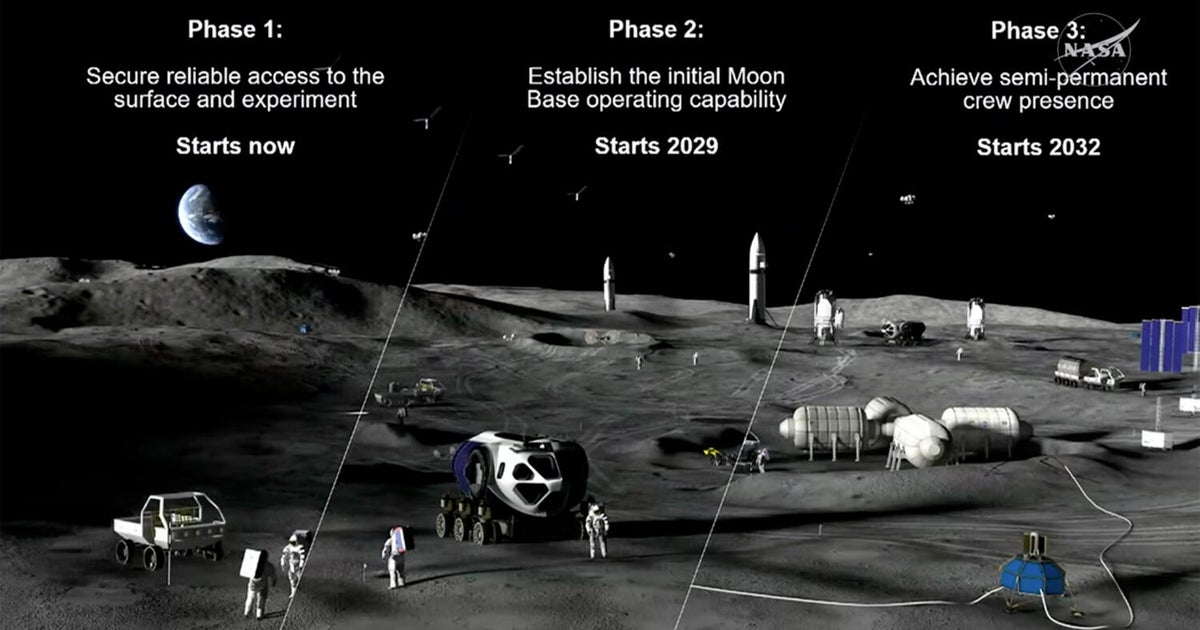
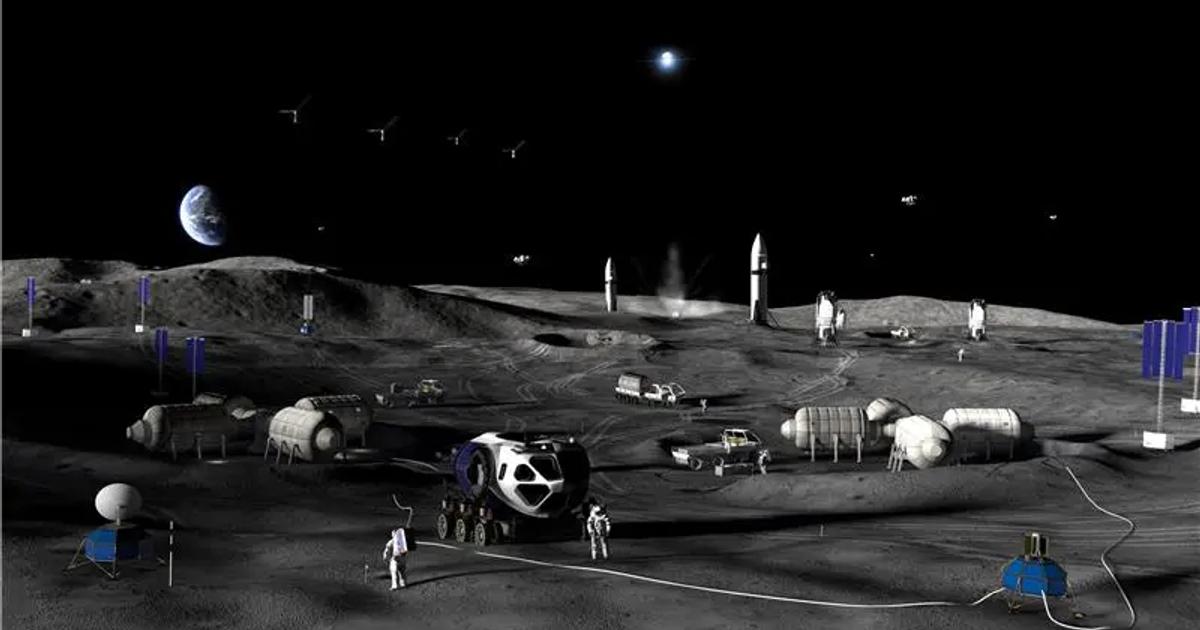
On Tuesday NASA Administrator Jared Isaacman said the agency will invest approximately $20 billion over the next seven years to build a moon base near the lunar south pole and pause the Gateway station.
Isaacman said the revised Artemis approach aims for regular crewed landings, possibly two per year, increased robotic landings toward a monthly cadence, and repurposing hardware for surface operations.
Isaacman warned contractors to "Expect uncomfortable action" for underperformance and met with about 160 industry, political and foreign space agency officials, with closed-door briefings planned on Wednesday.
The plan includes developing lunar nuclear power systems, deploying a Space Reactor 1 (SR-1) mission to Mars by 2028 to demonstrate nuclear-electric propulsion and delivering helicopters, and repurposing Gateway components for surface use.
NASA plans to fly Artemis II as soon as April 1, will use Artemis II and III results to plan landings in 2028 including Artemis IV and V, and will brief contractors on new contract opportunities.
Analysis
Center-leaning sources frame NASA's shift as abrupt and politically urgent, using evaluative language ("flipping the script," "scrapping," "wasteful distraction") and emphasizing competition ("clock is running," China) and cost/timeline uncertainty. They foreground agency statements ("near‑impossible," "action right now") while downplaying technical defenses of the Lunar Gateway, shaping a narrative of bold risk and skepticism.
FAQ
NASA is pausing the Gateway orbital station to repurpose its hardware for lunar surface operations as part of the revised Artemis approach focusing on building a moon base near the lunar south pole.
NASA will invest approximately $20 billion over the next seven years to build a moon base near the lunar south pole.
NASA plans to launch Artemis II as soon as April 1, following repairs to the SLS rocket's upper stage helium issue.
Artemis III is revised to an earth-orbiting mission in 2027 to test human landing systems before lunar surface return, instead of a lunar landing.
The Space Reactor 1 (SR-1) mission to Mars by 2028 demonstrates nuclear-electric propulsion as part of developing lunar nuclear power systems.