Artemis II Crew Arrives At Kennedy Ahead Of Planned April Moon Flyby
Four astronauts arrived March 27 at Kennedy ahead of an April 1 liftoff for a 10-day lunar flyby, the first crewed mission beyond Earth orbit since Apollo 17.

 The Gateway Pundit
OVER THE MOON: NASA Artemis II Crew in Final Phase of Preparation for First Lunar Mission in Over Half a Century | The Gateway Pundit | by Paul Serran
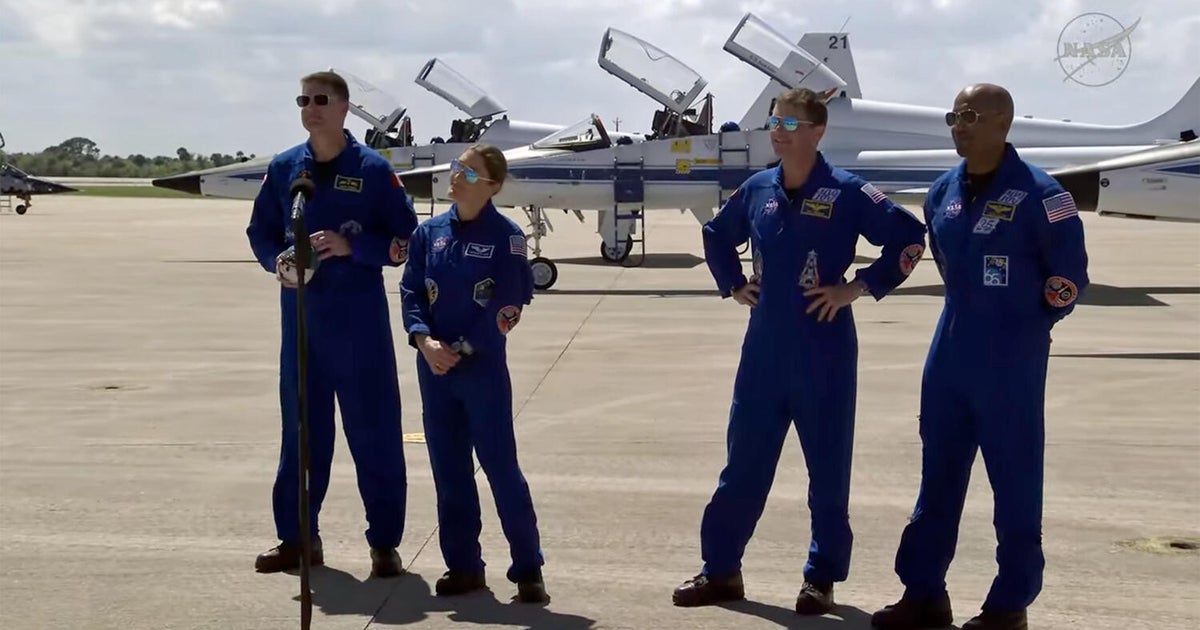
 CBS News
Artemis II astronauts arrive in Florida to prepare for launch to the moon
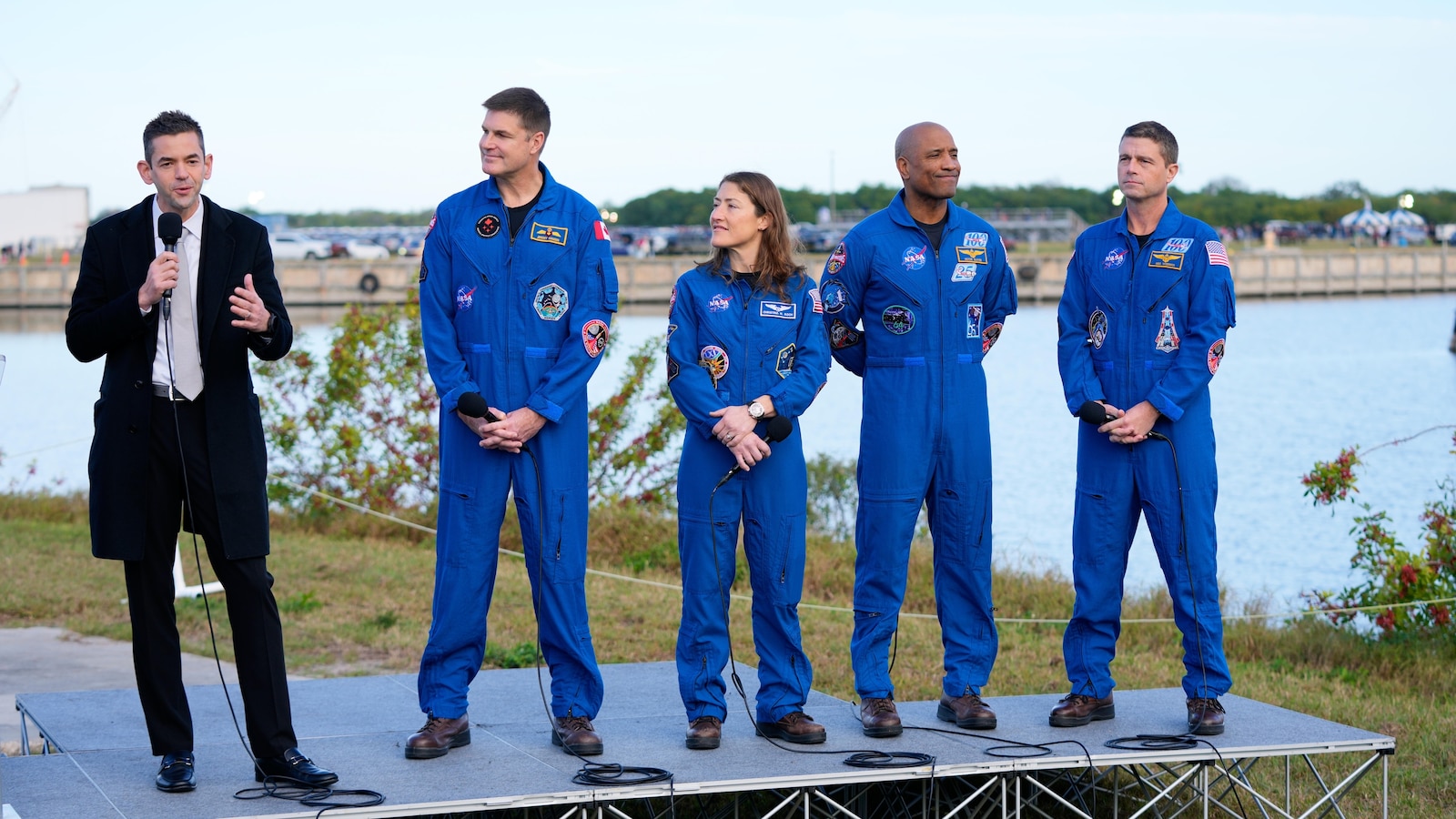
 ABC News
Artemis II astronauts arrive at Florida launch site for first moon trip in 53 years
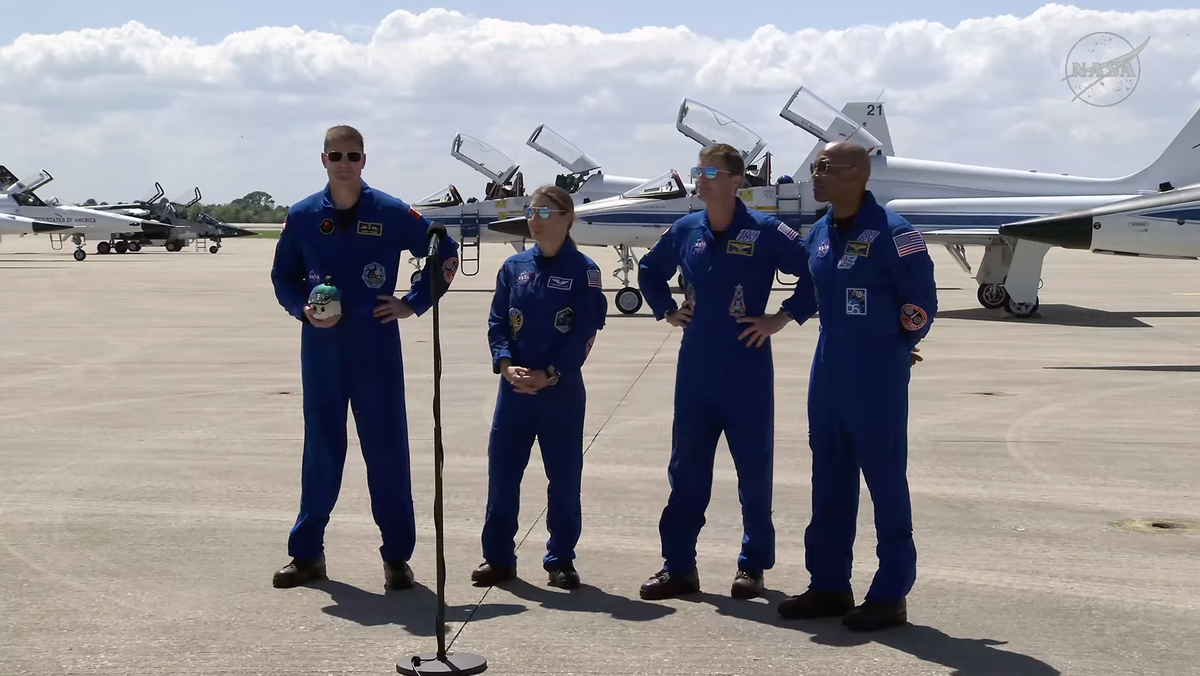
 Scientific American
NASA’s Artemis II astronauts arrive in Florida ahead of moon launch
Overview
The Artemis II astronauts arrived at Kennedy Space Center on March 27 to join the Space Launch System rocket on the pad ahead of a planned April 1 liftoff.
NASA is aiming for an April 1 launch in a window through April 6 for a 10-day mission that would be the first crewed trip beyond Earth orbit since Apollo 17 in 1972.
NASA Administrator Jared Isaacman greeted the crew, and commander Reid Wiseman said the team remains ready despite hydrogen leaks, an upper-stage pressurization problem and a rollback to the Vehicle Assembly Building for repairs.
The four-member crew — Reid Wiseman, Victor Glover, Christina Koch and Canada’s Jeremy Hansen — will travel roughly 600,000 to 700,000 miles and will fly aboard the Orion spacecraft.
Orion is to pass within about 4,100 miles of the moon on April 6, splash down in the Pacific on April 10, and set the stage for lander demonstrations targeted for 2027.
Analysis
Center-leaning sources frame the story positively and celebratorily: editorial choices highlight NASA officials and enthusiastic astronaut quotes, use evocative language ('towering rocket poised to blast off'), and emphasize mission milestones while downplaying dissent or budget/safety scrutiny. These sourcing and language selections create an upbeat, promotional narrative rather than a critically balanced one.
FAQ
The four-member crew consists of NASA astronauts Reid Wiseman (commander), Victor Glover, Christina Koch, and Canadian Space Agency astronaut Jeremy Hansen.
The earliest launch is April 1, 2026, at 6:24 p.m. EDT, with a window through April 6, and an additional opportunity on April 30.
The mission lasts about 10 days, with the crew traveling 600,000 to 700,000 miles, passing within 4,100 miles (about 8,000 km) of the Moon on April 6, and splashing down in the Pacific on April 10.
The mission has dealt with hydrogen leaks, an upper-stage pressurization problem, and a rollback to the Vehicle Assembly Building for repairs, but the crew remains ready.
It is the first crewed mission beyond Earth orbit since Apollo 17 in 1972, testing Orion's systems with crew aboard and paving the way for future lunar landings targeted for 2027.


