12,000-Year-Old Dice Rewrite Origins Of Probability
Study finds Native American dice used at least 12,000 years ago, predating Old World examples by millennia and indicating early engagement with chance and social exchange.
 NBC News
Native Americans had dice and games of probability long before other cultures, study finds

 New York Post
12,000-year-old dice hint at gambling habits as early as the last Ice Age
 IFL Science
Native Americans Were Making And Using Dice Thousands Of Years Before The Old World "Invented" Them

 The Debrief
12,000-Year-Old Native American Dice Rewrite the Ancient History of Probability
 Scientific American
Humans have been gambling since the Ice Age
Overview
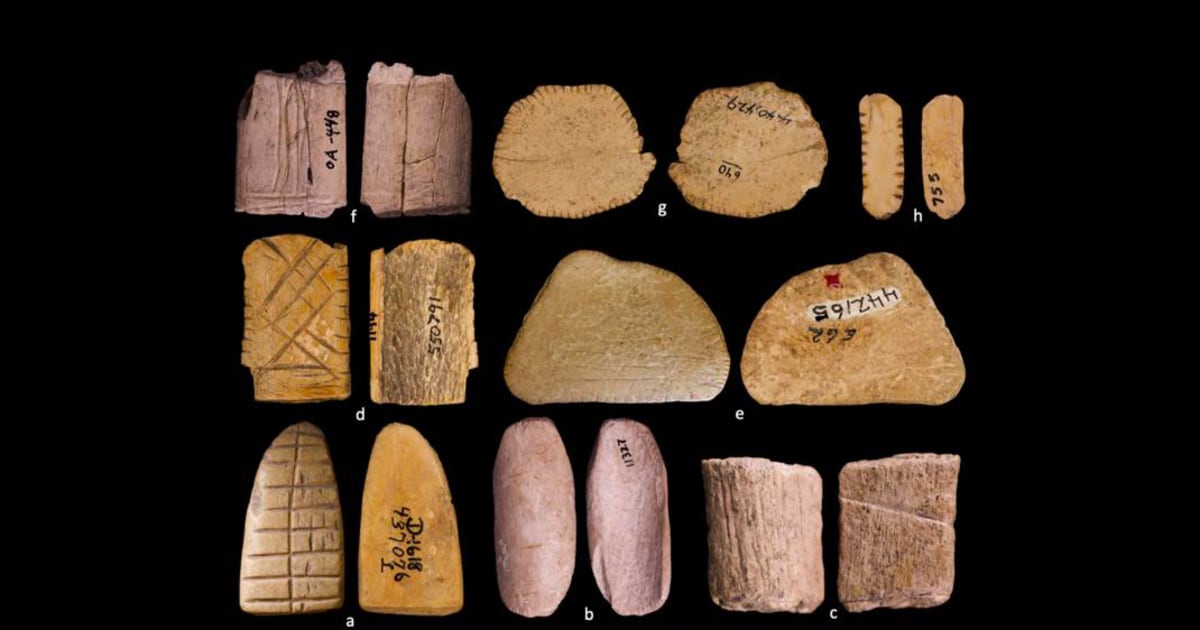
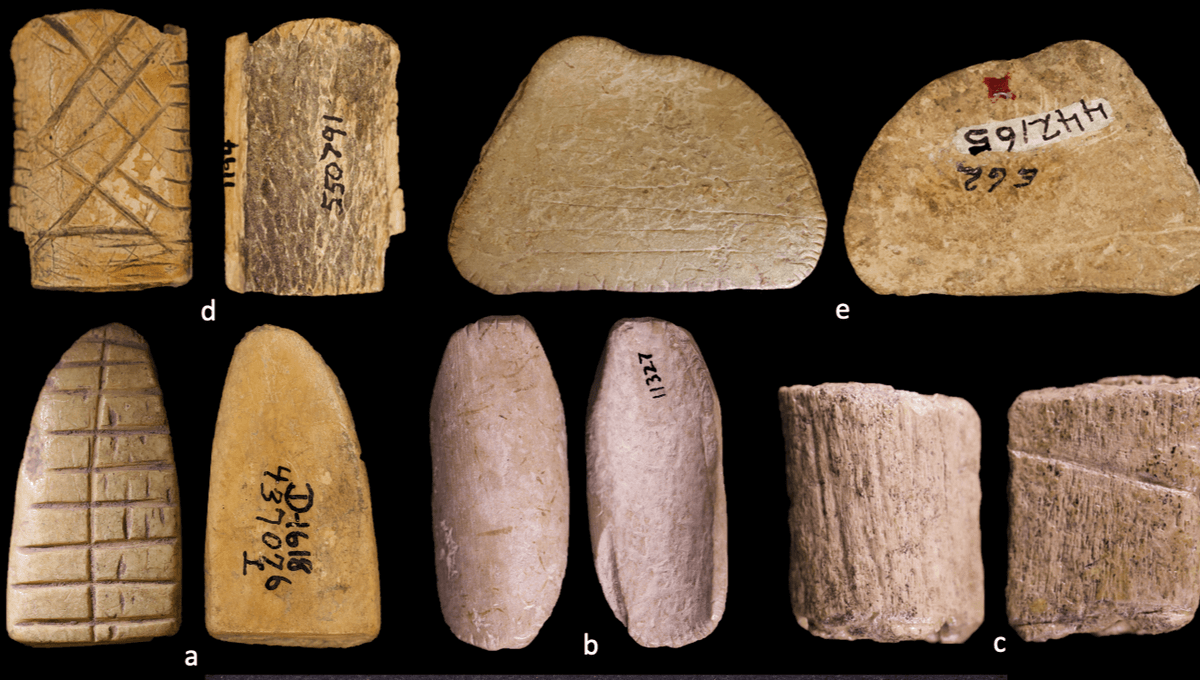
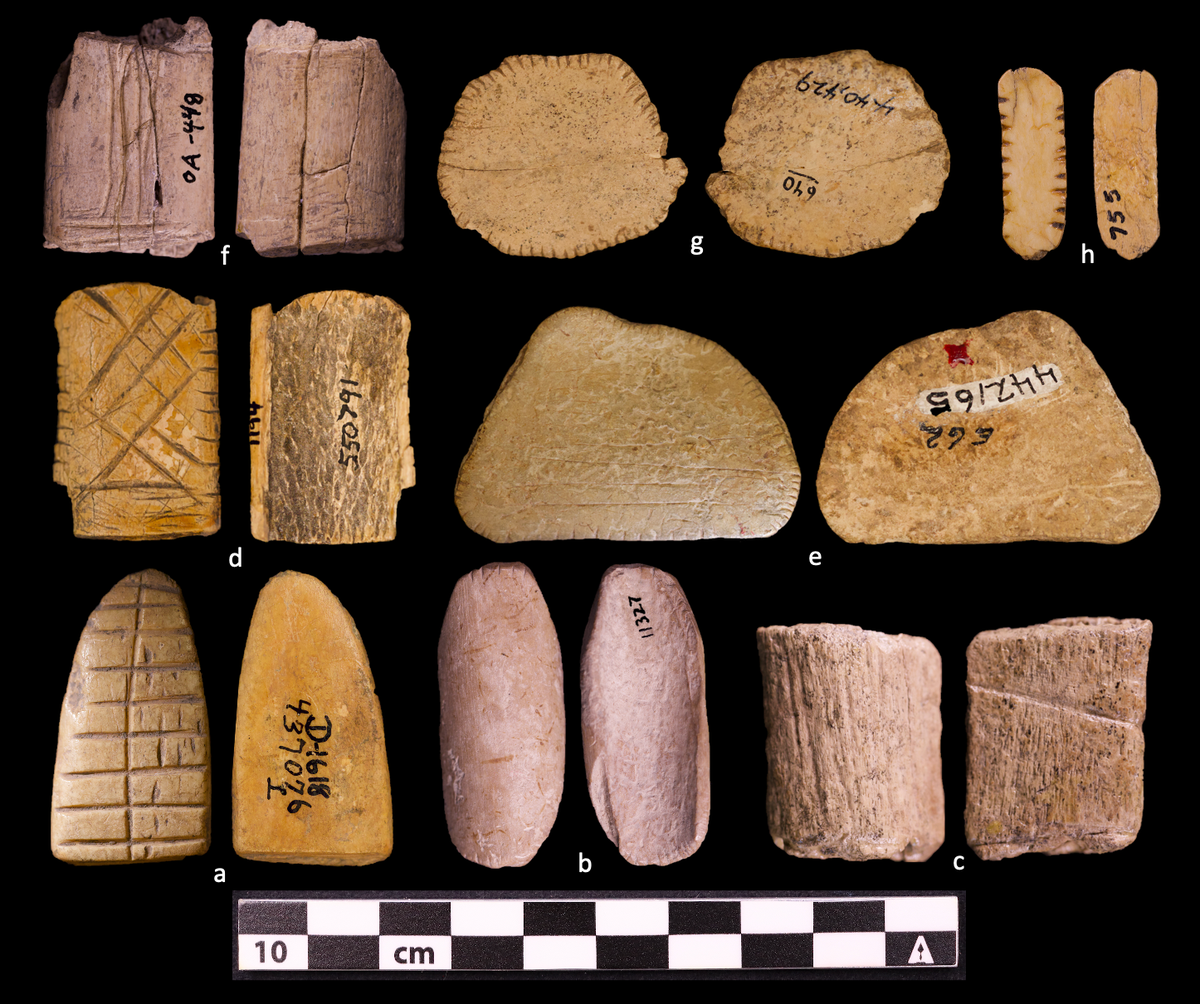
A study published in the journal American Antiquity finds Native American dice were used at least 12,000 years ago, study author Robert Madden said.
The research challenges the idea that probability concepts first arose in the Old World by showing structured games of chance in Late Pleistocene North America.
Robert Madden said he identified dice by applying a four-part morphological test to decades of excavation reports, and Dartmouth postdoctoral fellow Robert Wiener called the finding exciting.
Madden identified roughly 565 to 659 diagnostic and probable dice across about 57 to 58 sites in the western U.S., with some Folsom-culture pieces dated between 12,255 and 12,845 years old.
Madden spent about three years combing reports using criteria based on historic specimens, and he said gaps remain, including the absence of prehistoric dice in eastern North America and open questions about probabilistic calculation.
Analysis
Center-leaning sources frame the story as a corrective to Eurocentric narratives, using evaluative language ('rewrite', 'striking discoveries', 'simple, elegant tools') and elevating the study author’s claims while offering few external experts or critical perspectives. Structural emphasis on novelty and continuity amplifies the research’s significance and downplays methodological uncertainty.