Blue Origin Reuses New Glenn But Misplaces Customer Satellite
New Glenn's third flight reused a booster but its upper stage placed AST SpaceMobile's BlueBird 7 into a lower-than-planned orbit, requiring the satellite's de-orbit.

 The Verge
Blue Origin successfully reused its New Glenn rocket

 CBS News
In its third flight, a Blue Origin New Glenn rocket puts satellite payload into wrong orbit

 TechCrunch
Blue Origin's New Glenn put a customer satellite in the wrong orbit during its third launch | TechCrunch
 ARS Technica
Blue Origin's rocket reuse achievement marred by upper stage failure
Overview
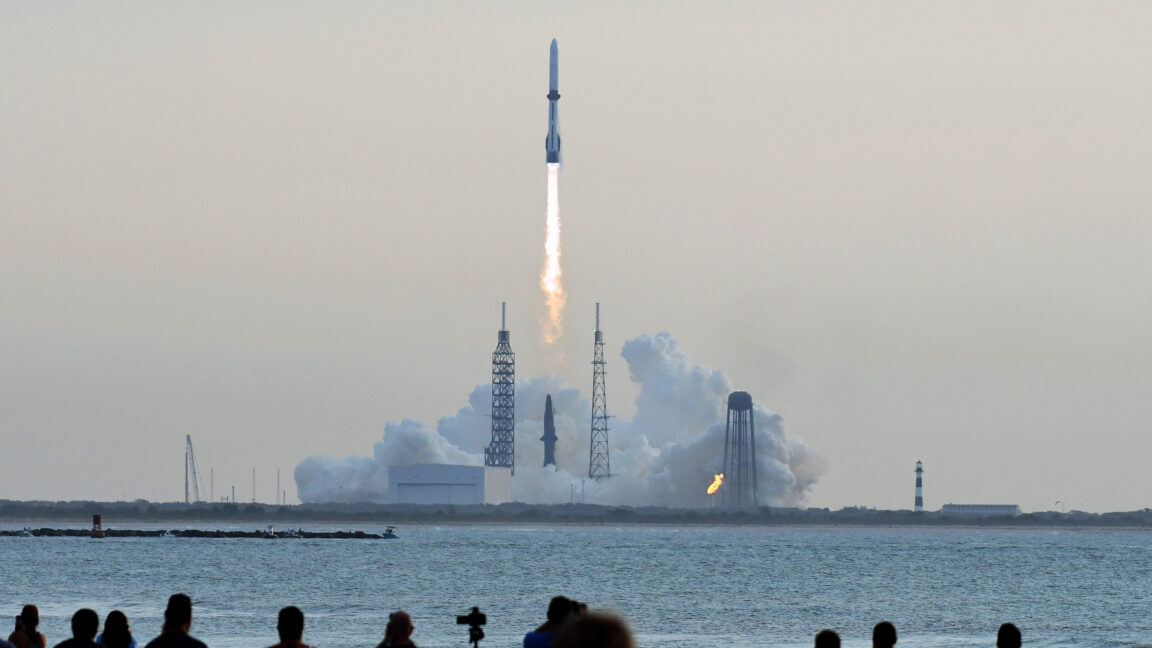
On Sunday Blue Origin's New Glenn reused its first-stage booster but the upper stage placed AST SpaceMobile's BlueBird 7 into a lower-than-planned, off-nominal orbit, AST SpaceMobile said, forcing it to be de-orbited.
The mission was New Glenn's third flight and the first to re-fly a previously flown booster after more than a decade of New Glenn development, company posts said.
Blue Origin posted that payload separation and satellite power-on were confirmed and that it was assessing the off-nominal orbit, while AST SpaceMobile said the satellite is fully insured and will be de-orbited.
AST SpaceMobile said it expects an orbital launch every one to two months on average during 2026 and continues to target approximately 45 satellites in orbit by the end of 2026.
An investigation is underway and its findings will influence Blue Origin's planned prototype Blue Moon unpiloted test flight late this summer or early fall and other scheduled launches, company statements said.
Analysis
Center-leaning sources frame the story as a mixed technical milestone tinged with competitive shortfall, emphasizing Blue Origin’s booster reuse while foregrounding the upper-stage failure and SpaceX’s faster recycling. Language choices ("marred," "flagship"), selective sourcing (company statements, no independent experts), and juxtapositions create a cautious, comparative narrative.