Curiosity Uncovers Ancient Organic Molecules on Mars
Curiosity's first-of-its-kind TMAH wet chemistry revealed roughly 3.5-billion-year-old organics, including benzothiophene, raising questions about Mars' ancient habitability.

 USA TODAY
NASA's Curiosity finds never before seen organic molecules on Mars
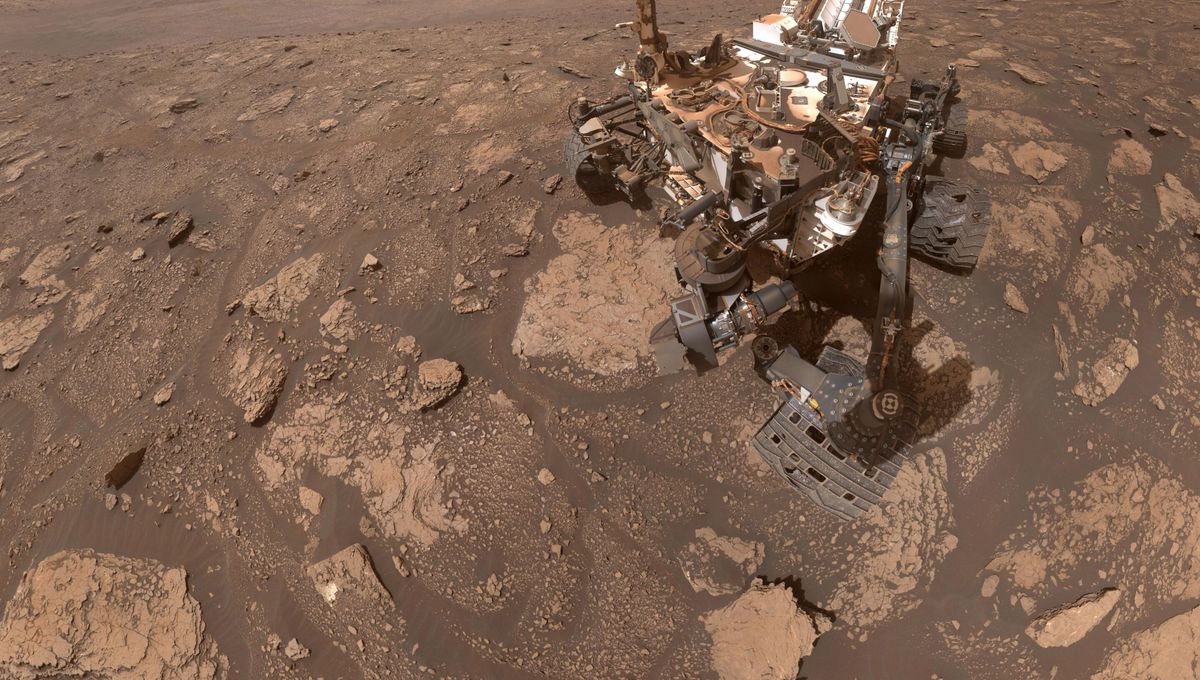
 IFL Science
3.5-Billion-Year-Old Organic Molecules Freed Thanks To First-Of-Its-Kind Experiment On Another World
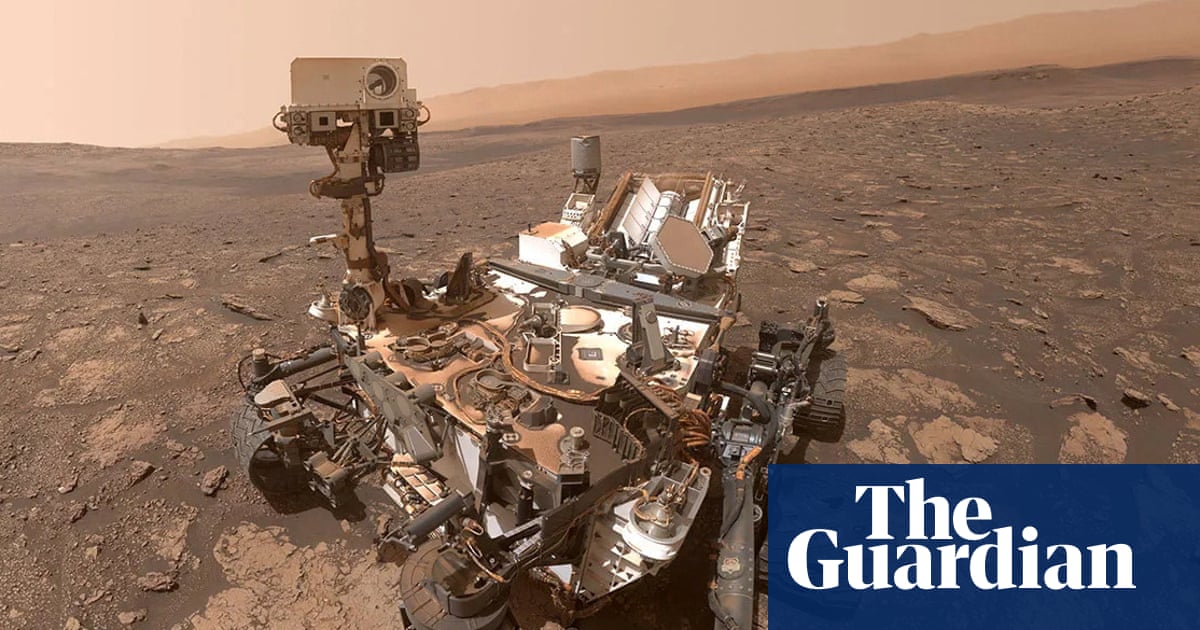
 The Guardian
‘Is it life? We can’t tell’: Nasa’s Curiosity rover finds organic molecules on Mars
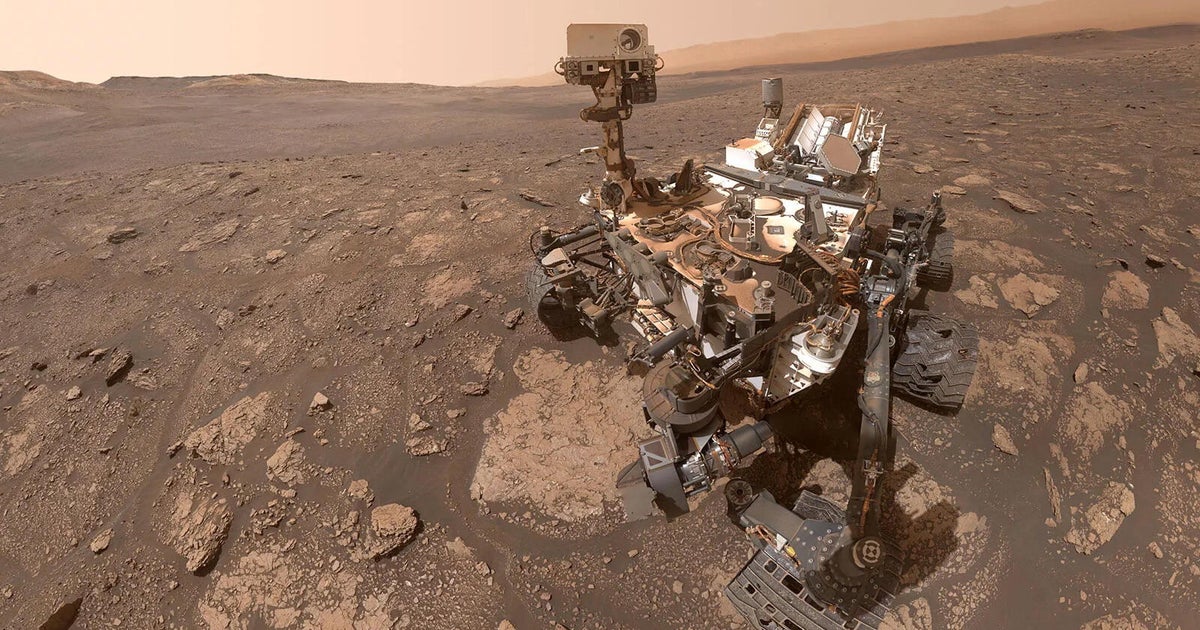
 CBS News
Mars rover carries out chemistry experiment never done beyond Earth, discovers more building blocks of life
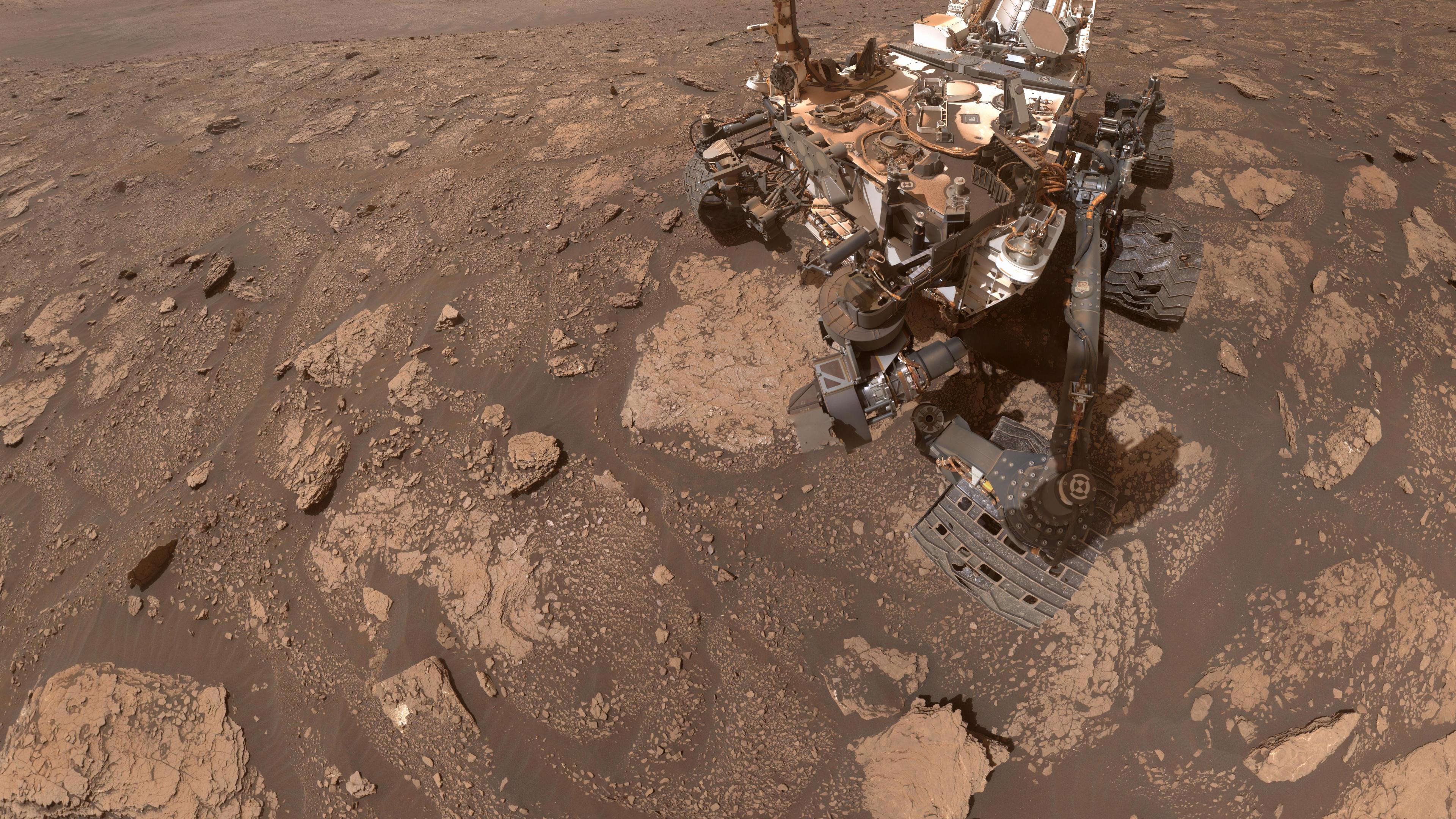
 TIME Magazine
A New Discovery Brings Fresh Clues to the Search for Life on Mars
Overview
NASA's Curiosity used a first-of-its-kind tetramethylammonium hydroxide wet chemistry experiment to detect more than 20 organic molecules, including benzothiophene and naphthalene, preserved in about 3.5-billion-year-old clay-rich rocks in Gale Crater.
The finding shows complex organics and a nitrogen-containing heterocycle similar to DNA precursors were preserved on Mars, but lead author Amy Williams said, "Is it life? We can't tell."
Scientists cautioned the organics could be meteoritic or geologic in origin, and they said the European Space Agency's Rosalind Franklin rover, equipped with TMAH and scheduled for launch in 2028, could offer more detailed tests.
Curiosity, launched in November 2011 and landing in August 2012, has collected 42 powdered rock samples and performed the TMAH experiment in September 2020 using one of two available TMAH shots, researchers said.
Researchers said returning Martian rocks to Earth would help determine biological origins, Williams said similar TMAH experiments at another Gale Crater site are being processed, and future missions will carry SAM-style tests.
Analysis
Center-leaning sources present this Curiosity finding in a largely neutral, factual manner, foregrounding scientist caveats and methods while avoiding sensational claims. They quote mission scientists, note limitations (not evidence of life), explain techniques and context (Gale crater, TMAH experiment) and include future mission plans to situate results responsibly.