Fossils Reveal Giant Kraken-Like Octopuses as Cretaceous Apex Predators
Fossilised beaks suggest Nanaimoteuthis reached 7–19 meters and crushed shells and bones, reshaping views of Cretaceous marine food webs.
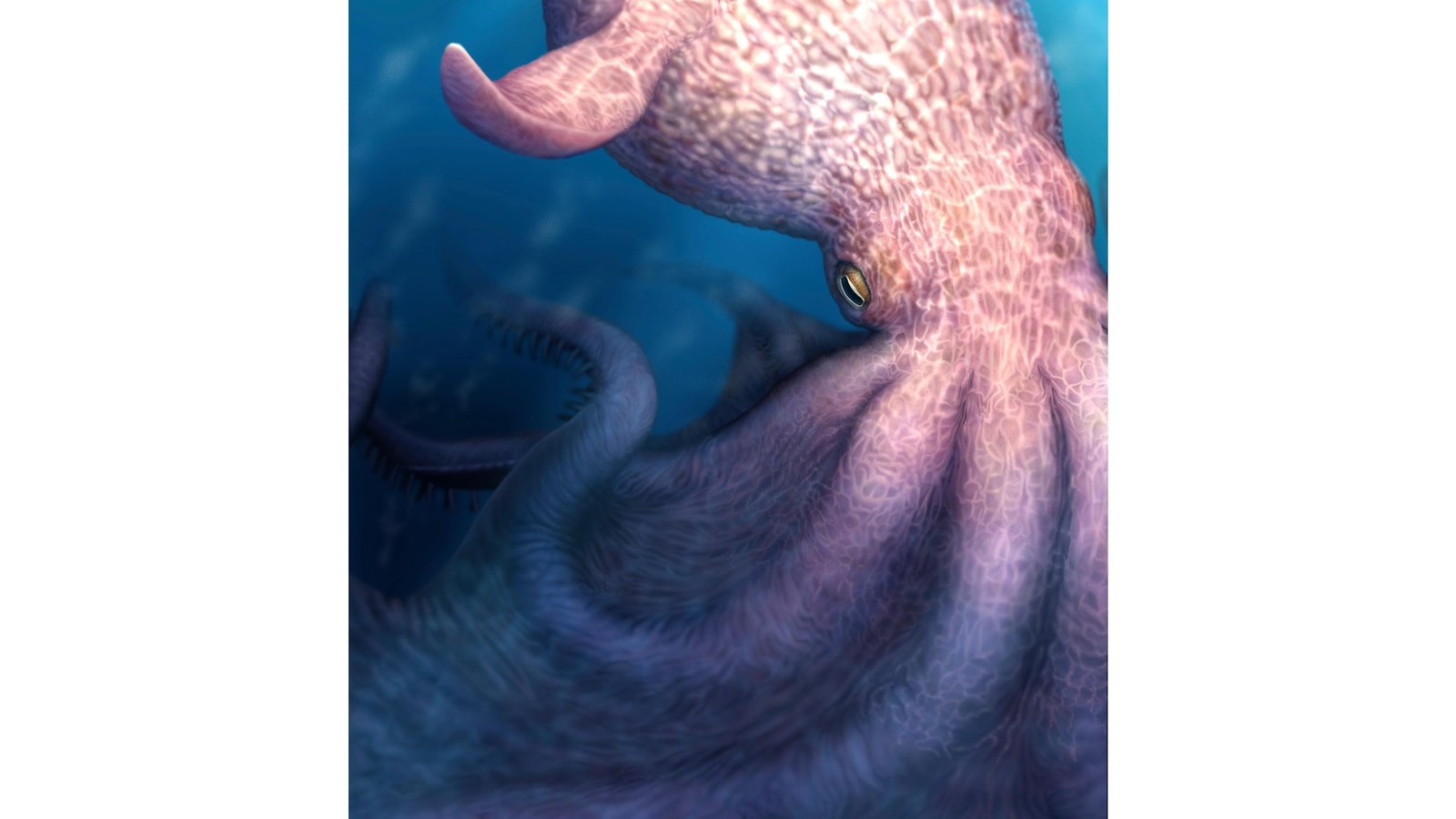
 ABC News
A massive kraken-like octopus may have prowled the seas during the age of dinosaurs
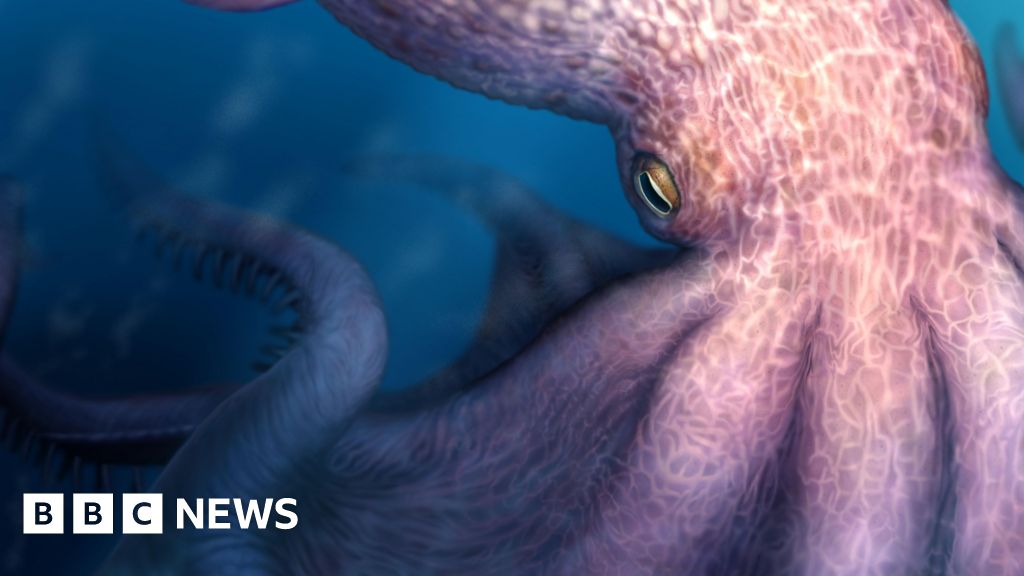
 BBC News
Meet the 19 metre octopus that may have prowled ancient seas

 CNN
CNNFossil discovery reveals ‘hidden’ apex predator that rivaled marine reptiles 100 million years ago | CNN
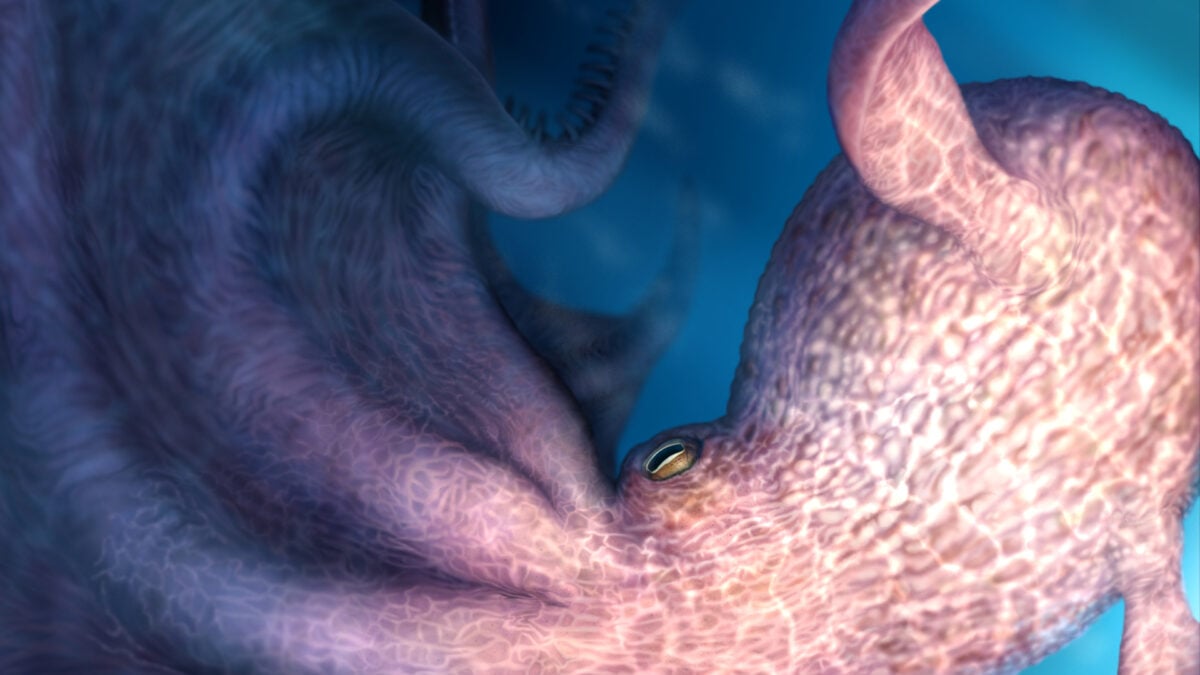
 Gizmodo
This 62-Foot âKrakenâ Octopus Terrorized Cretaceous Seas
Overview
Researchers reported that fossilized octopus jaws indicate some Cretaceous octopuses reached roughly 7 to 19 meters and showed heavy wear consistent with crushing hard prey.
The study re-examined 15 large fossil beaks and used digital fossil mining to identify 12 additional beaks from Japan and Vancouver Island dated 72 million to 100 million years ago.
Lead author Yasuhiro Iba said the wear patterns imply repeated processing of shells and bones, while external paleontologists called the findings compelling but noted lack of stomach contents prevents definitive diet conclusions.
Sizes were estimated by comparing fossil jaws with modern octopuses, yielding total lengths of 23 to 62 feet (7 to 19 meters) and suggesting these may be the largest invertebrates on record.
Iba said he plans to expand digital fossil mining to search for more fossils to clarify the octopuses' ecological role and behavior.
Analysis
Center-leaning sources apply mild sensational framing by foregrounding kraken-like imagery and a provocative 'top predator' lead, prioritizing vivid size comparisons and worn-jaw details. Editorial choices — headline wording, early placement of evocative scientist quotes, and emphasis on spectacle — amplify dramatic interpretation, even as the coverage preserves source caveats and methodological notes.