59,000-Year-Old Neanderthal Molar Shows Earliest Dental Drilling
A Neanderthal molar from Chagyrskaya Cave bears a drilled hole into the pulp chamber; experiments with jasper tools reproduced the grooves, suggesting intentional cavity treatment and pain relief.

 CNN
CNN59,000-year-old Neanderthal tooth shows earliest evidence of dentistry | CNN

 New York Post
Tooth shows cavemen conducted dental surgery thousands of years before anesthetic

 NPR
NPRNeanderthals may have drilled out a cavity 59,000 years ago
 ARS Technica
Neanderthals drilled cavities to treat a toothache 59,000 years ago
Overview
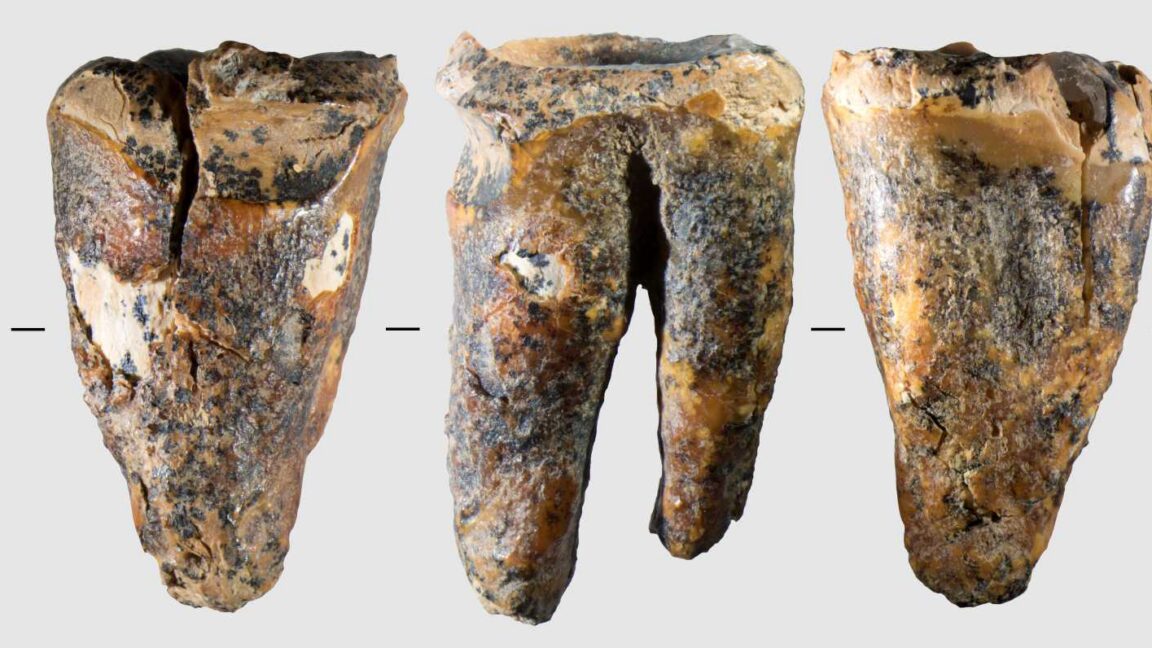
Researchers reported in the journal PLOS One that a Neanderthal molar from Chagyrskaya Cave bears a drilled hole that reached the pulp chamber and shows scratches consistent with stone-tool use.
The tooth, dated to 59,000 years ago from Chagyrskaya Cave, represents the oldest known dental intervention and predates Homo sapiens evidence by more than 40,000 years, the authors said.
Lead author Alisa Zubova and co-author Lydia Zotkina said experimental drilling on modern human teeth with jasper perforators reproduced the microgrooves and geometry seen in the ancient molar.
The team said manual drilling in experiments took between 35 and 50 minutes and that wear patterns indicate the individual continued to use the tooth after the procedure.
Some external experts cautioned that alternative explanations such as severe wear or toothpick use remain possible, and the authors said additional evidence from Chagyrskaya Cave could clarify whether this was deliberate medical treatment.
Analysis
Center-leaning sources frame this as dramatic evidence of Neanderthal sophistication by using sensational language (e.g., 'horror show' opening), foregrounding pro-researcher quotes and reenactment results, and omitting skeptical viewpoints. editorial choices (wording, quote selection, narrative arc) amplify a caregiving-intelligence narrative, while the quoted scientists remain source content supporting that frame.