NOAA Forecasts Below-Average Atlantic Hurricane Season as El Niño Strengthens
NOAA predicts a 55% chance of a below-normal 2026 Atlantic hurricane season and expects increased activity in the central and eastern Pacific tied to a strong El Niño.
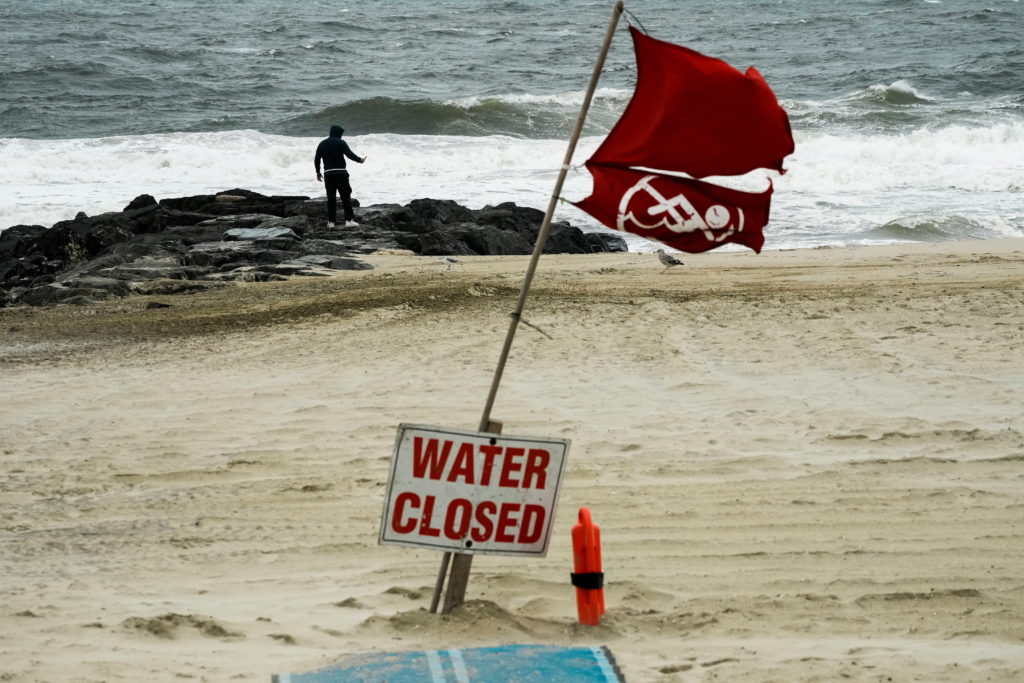
 PBS NewsHour
WATCH: NOAA forecasts milder Atlantic hurricane season thanks to El Nino

 The Guardian
Atlantic hurricane season forecast to be milder than normal thanks to El Niño
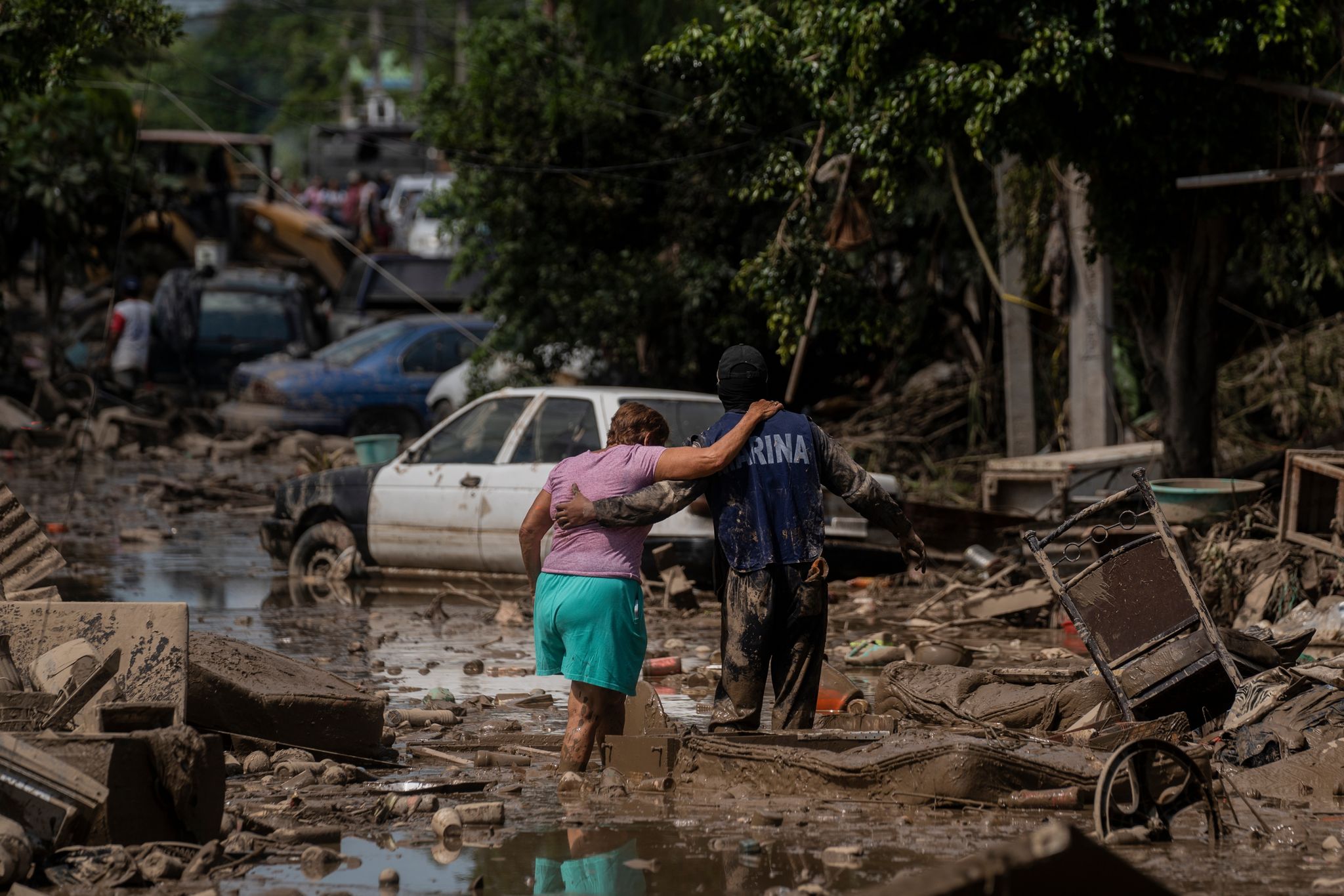
 Chron
ChronAtlantic hurricane season forecast greatly impacted by El Nino
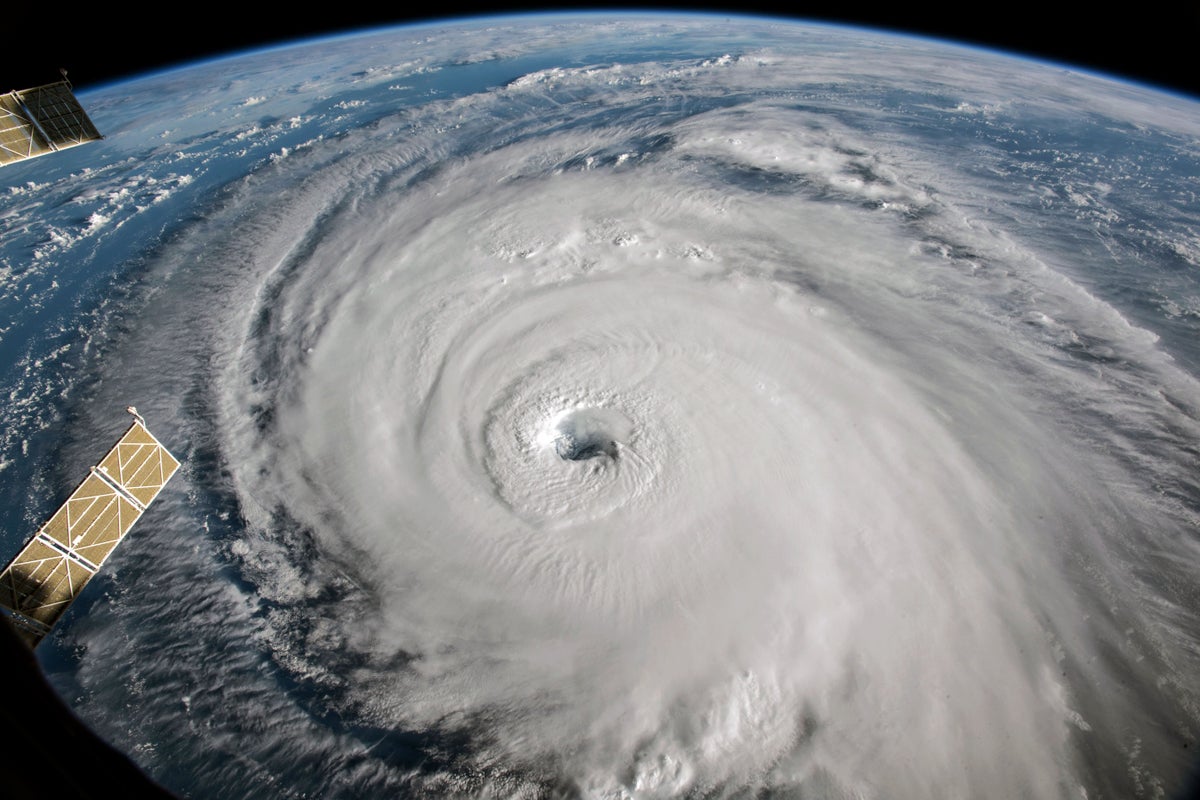
 Scientific American
NOAA predicts quieter Atlantic hurricane season for 2026—but the Pacific is another story
Overview
NOAA issued its 2026 seasonal outlook saying there is a 55% chance the Atlantic season will be below normal, forecasting eight to 14 named storms, three to six hurricanes and one to three major hurricanes.
Forecasters said a developing El Niño is the main factor, with a 98% chance it will occur this summer and an 80% chance it will be moderate or strong, which typically suppresses Atlantic storms.
National Weather Service Director Ken Graham and NOAA Administrator Neil Jacobs urged preparation, and FEMA's Southeast acting administrator attended the briefing after the agency did not attend last year.
Private and academic forecasts broadly agree on reduced Atlantic activity, Colorado State predicts about 13 named storms while insurers cite rising cyclone damage from an average $11.4 billion in the 1980s to $109.7 billion over the past 10 years.
NOAA cautioned forecasts will be updated as the season unfolds, the Atlantic season runs June 1 to November 30, and federal forecasters expect an above-normal eastern Pacific with 15 to 22 named storms.
Analysis
Center-leaning sources frame the story to emphasize continued risk and institutional vulnerability despite a below-average season. Editorial choices use evaluative language ("limping into this hurricane season," "existential threats"), prioritize climate scientists and federal officials, highlight attribution studies (Harvey's extra rainfall) and FEMA staffing cuts to create urgency and institutional critique.