Plague Timeline Rewritten
Ancient teeth and DNA push plague's known origins back over 5,500 years.




9
Articles
9
Sources
0%
Analysis & opinion
The reporting
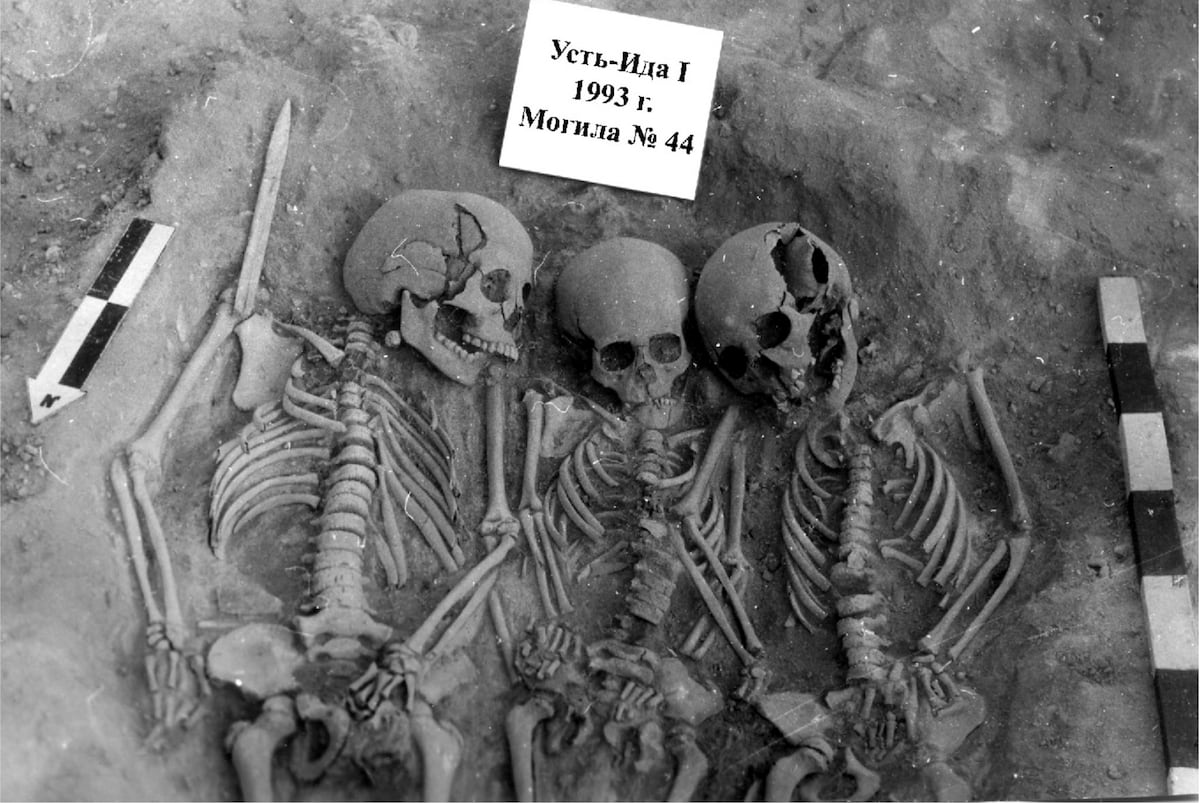
Left & CenterScientists have identified the oldest known evidence of plague in human remains from late Stone Age cemeteries in southeastern Siberia, pushing the disease’s timeline back about 5,500 years and roughly 200 years earlier than previously known. Ancient DNA from teeth and skeletons, including children and hunter-gatherers buried near the Angara River and Lake Baikal, revealed early strains of Yersinia pestis that appear to have caused deadly outbreaks in sparse prehistoric communities. The findings, published in Nature, suggest plague was already circulating among mobile hunter-gatherer groups long before the Black Death or Justinian plague reshaped later societies. Researchers say the discovery helps explain how the bacterium evolved and spread before becoming one of history’s most consequential pathogens.


Get tomorrow's edition
Every side, every morning — free in your inbox.