Sun Surface Images
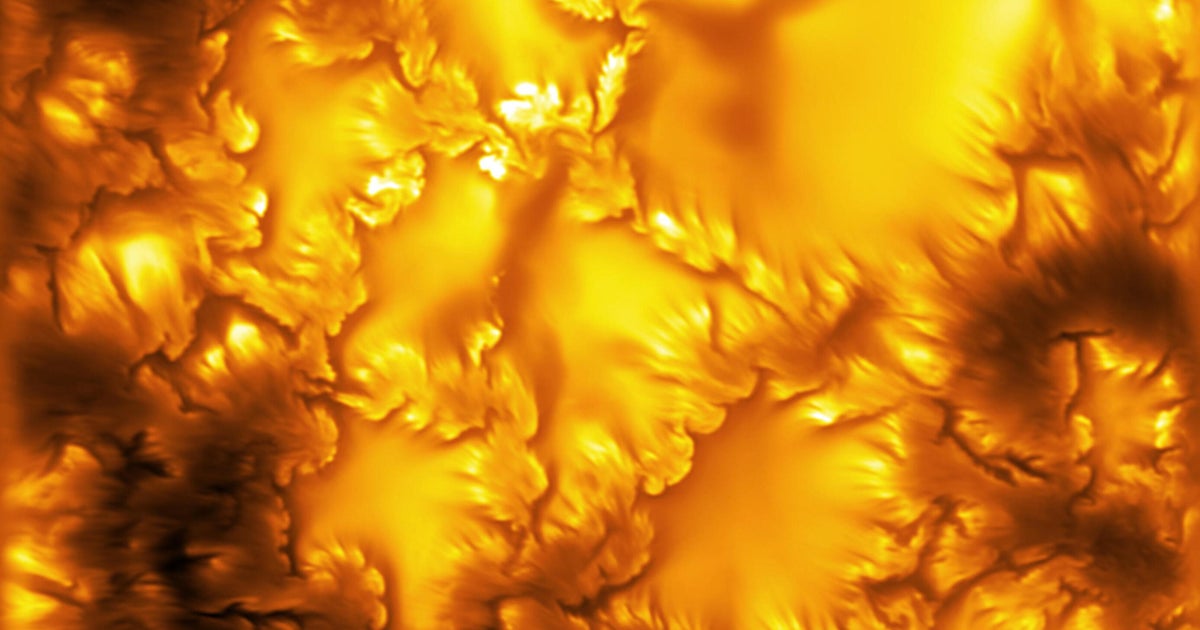
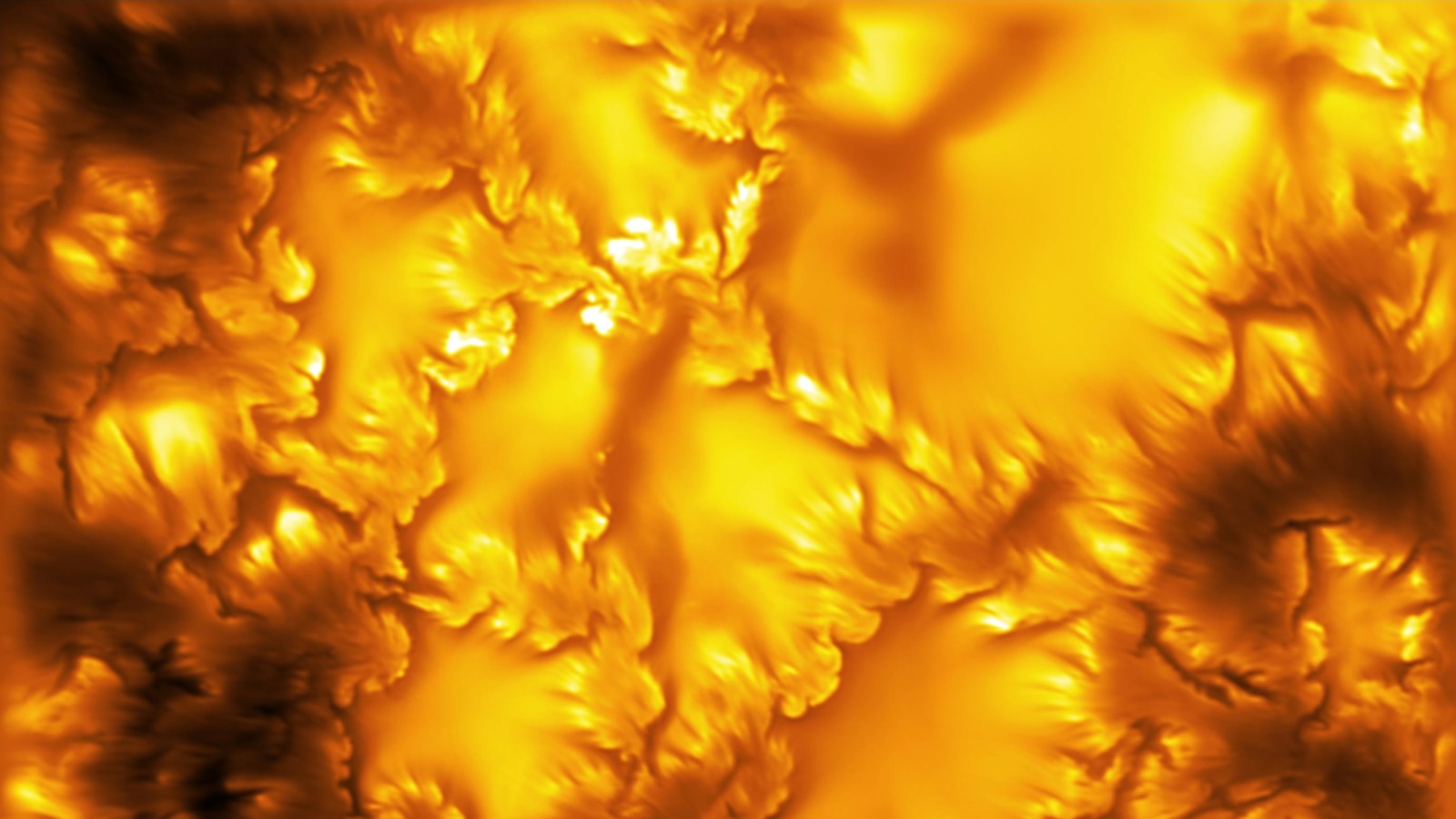
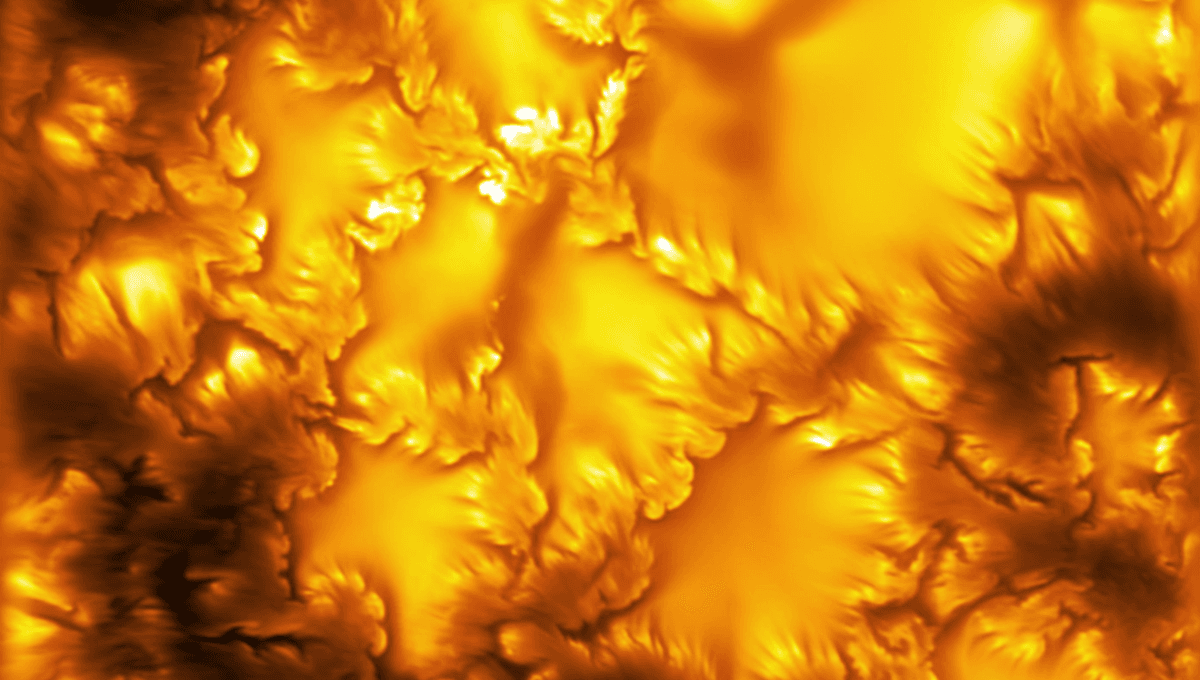
New solar images reveal unprecedented surface detail and possible whirlpools.




7
Articles
7
Sources
29%
Analysis & opinion
The reporting
The National Science Foundation’s Daniel K. Inouye Solar Telescope on Maui has captured the highest-resolution images yet of the Sun’s photosphere, resolving structures smaller than 20 kilometers across. The images show narrow golden bands and whirlpool-like vortices in a magnetically active region near a sunspot. Researchers say the motions trace hot gas twisting and dragging the Sun’s magnetic field at the surface. The observations could help explain how magnetic field lines become tangled and reconnect, triggering solar flares, coronal mass ejections and geomagnetic effects on Earth.
Analysis & opinion
Solar Surface WhirlpoolsLeans Left
Newly observed whirlpool-like vortices on the Sun’s surface may help explain how solar magnetic fields become twisted and tangled. Understanding these structures could improve knowledge of the magnetic activity that leads to powerful solar eruptions and storms.


Get tomorrow's edition
Every side, every morning — free in your inbox.