Trump Administration, NASA Accelerate Lunar Nuclear Reactor Project for 2029 Completion
The Trump administration and NASA are fast-tracking plans to build a lunar nuclear reactor by late 2029, aiming for 100 kilowatts of power to support long-term human exploration and secure a strategic advantage over China.
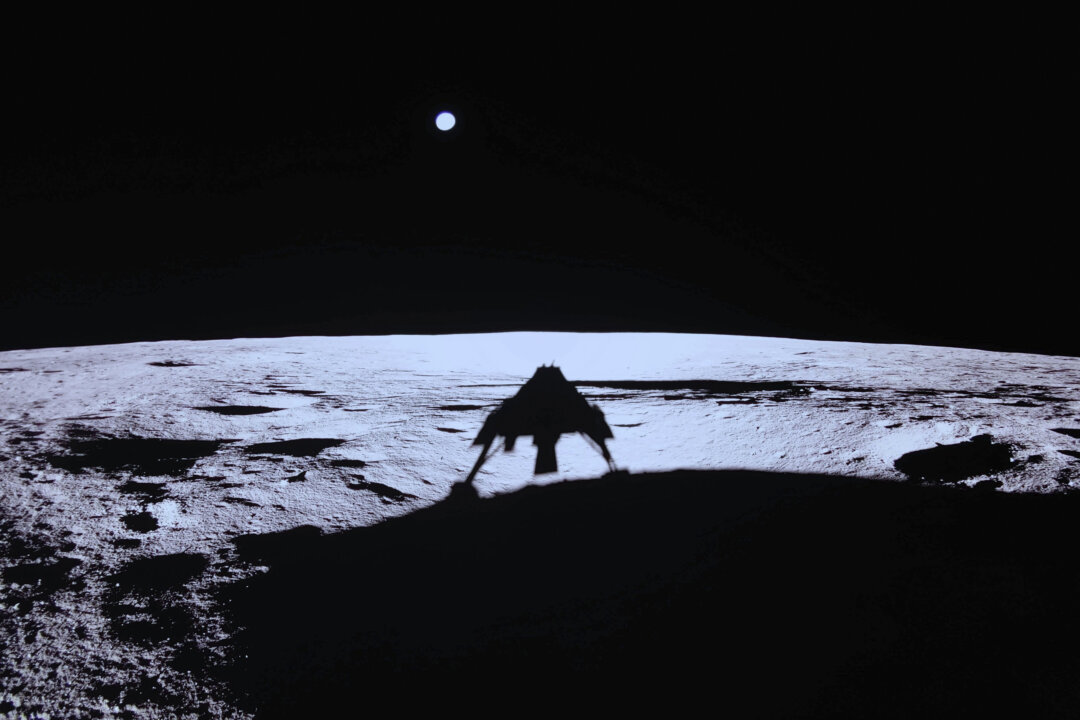
 Epoch Times
US Will Build Nuclear Power Plant on Moon, Acting NASA Chief Duffy Says
 CNN
CNNNASA wants US to be the first nation to put nuclear reactor on the moon | Politics
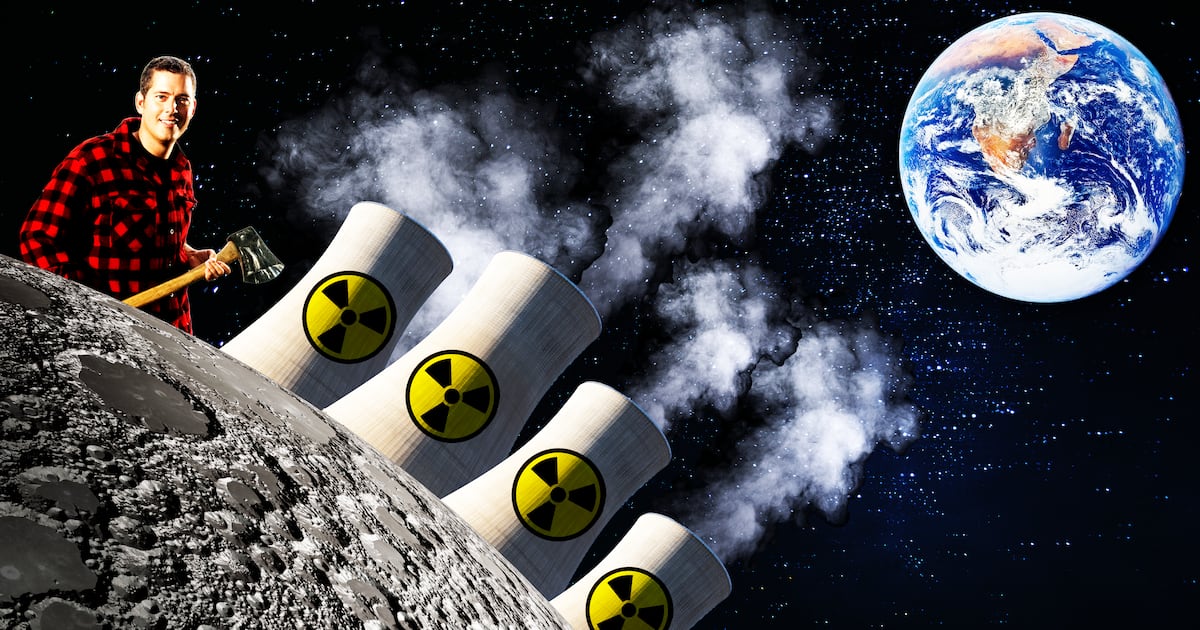
 Daily Beast
What Could Go Wrong? Duffy Reveals Nuclear Moon Plans

 Gizmodo
Acting NASA Chief Tells Agency to Build a Nuclear Reactor on the Moon, Before China Does It First
Overview
The Trump administration and NASA are accelerating efforts to construct a nuclear reactor on the moon's surface, aiming for a significant step in lunar power generation.
NASA Interim Administrator Sean Duffy is expediting the plan, targeting completion by late 2029 to produce at least 100 kilowatts of power.
A key motivation is to establish a lunar power source before China develops its own, securing a strategic advantage in space exploration.
This robust power source is considered crucial for enabling long-term human exploration and potential settlement on the lunar surface.
The project explores nuclear fission reactors for space, with discussions on feasibility and potential implications like declaring a lunar keep-out zone.
Analysis
Center-leaning sources frame this story by emphasizing the competitive aspect of lunar exploration, portraying the nuclear reactor initiative as a strategic move to counter China and Russia. They highlight the urgency and national security implications, aligning the project with the current administration's focus on human spaceflight and establishing dominance in space.
FAQ
The lunar nuclear reactor is planned to produce 100 kilowatts of power and aims for completion by late 2029 or 2030.
A key motivation is to secure a strategic advantage over China in lunar exploration by establishing a power source on the Moon before China does, potentially preventing China and Russia from declaring a keep-out zone.
Critics point out challenges including NASA's budget cuts to science programs, cancellation of certain NASA spacecraft, and dependence on private companies, which makes the 2030 timeline and feasibility of the nuclear reactor project questionable.
Sean Duffy, serving as NASA's interim administrator and U.S. Transportation Secretary, is expediting efforts and announcing a directive to develop the lunar nuclear reactor with a clear timeline targeting 2030.
NASA plans the reactor to operate for a decade without human intervention, first demonstrating it for one year and then operating it for nine more years; if successful, the design may be adapted for use on Mars.