Blue Origin's New Glenn Successfully Launches NASA Mars Probes and Recovers Booster for Future Space Missions
Blue Origin's New Glenn rocket successfully launched twin NASA Mars probes, Escapade, to study the Red Planet's atmosphere and magnetic fields, achieving a key booster recovery.
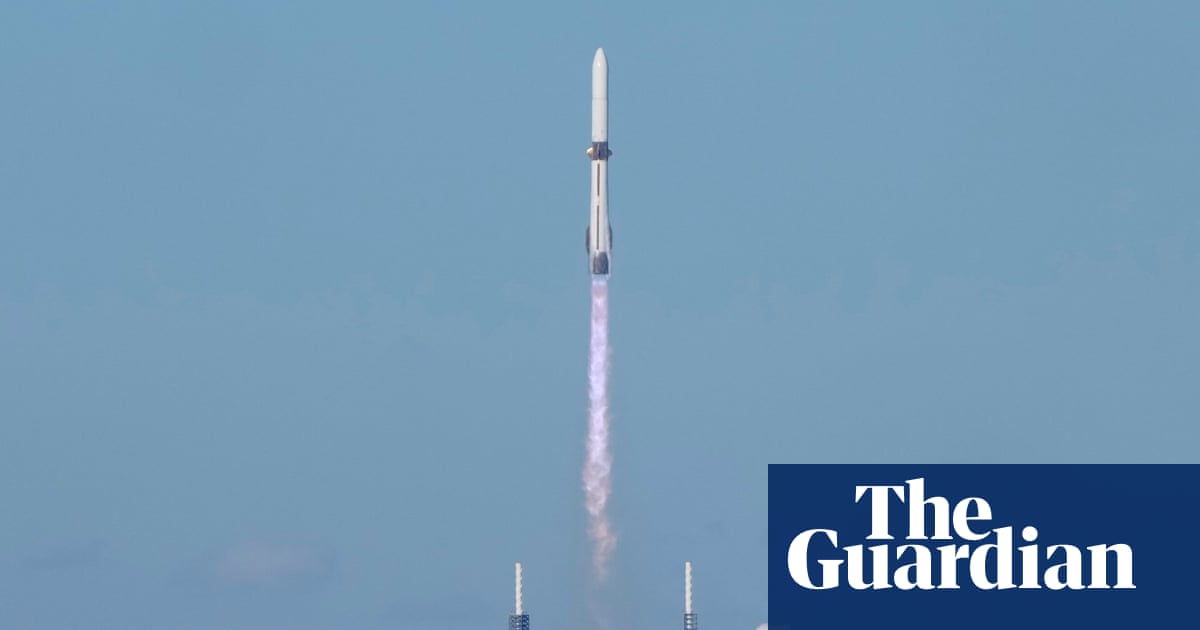
 The Guardian
Jeff Bezos’s Blue Origin launches rocket carrying twin Nasa spacecraft to Mars
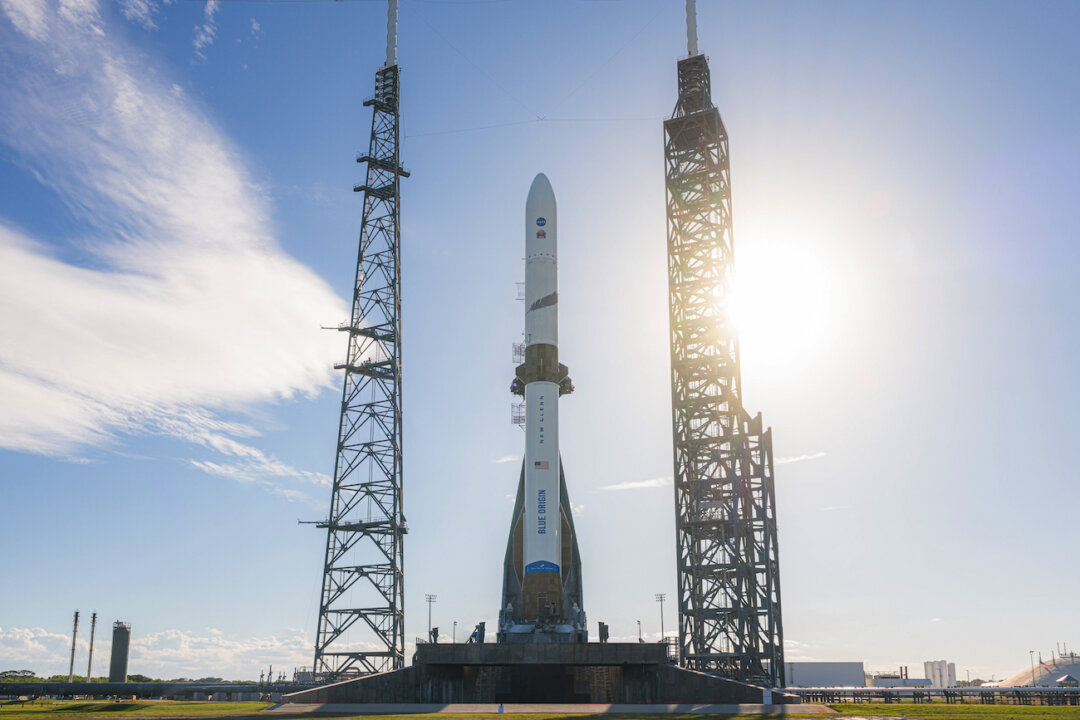
 Epoch Times
Blue Origin Sends Satellites to Mars, Lands Reusable Booster in 2nd Mission
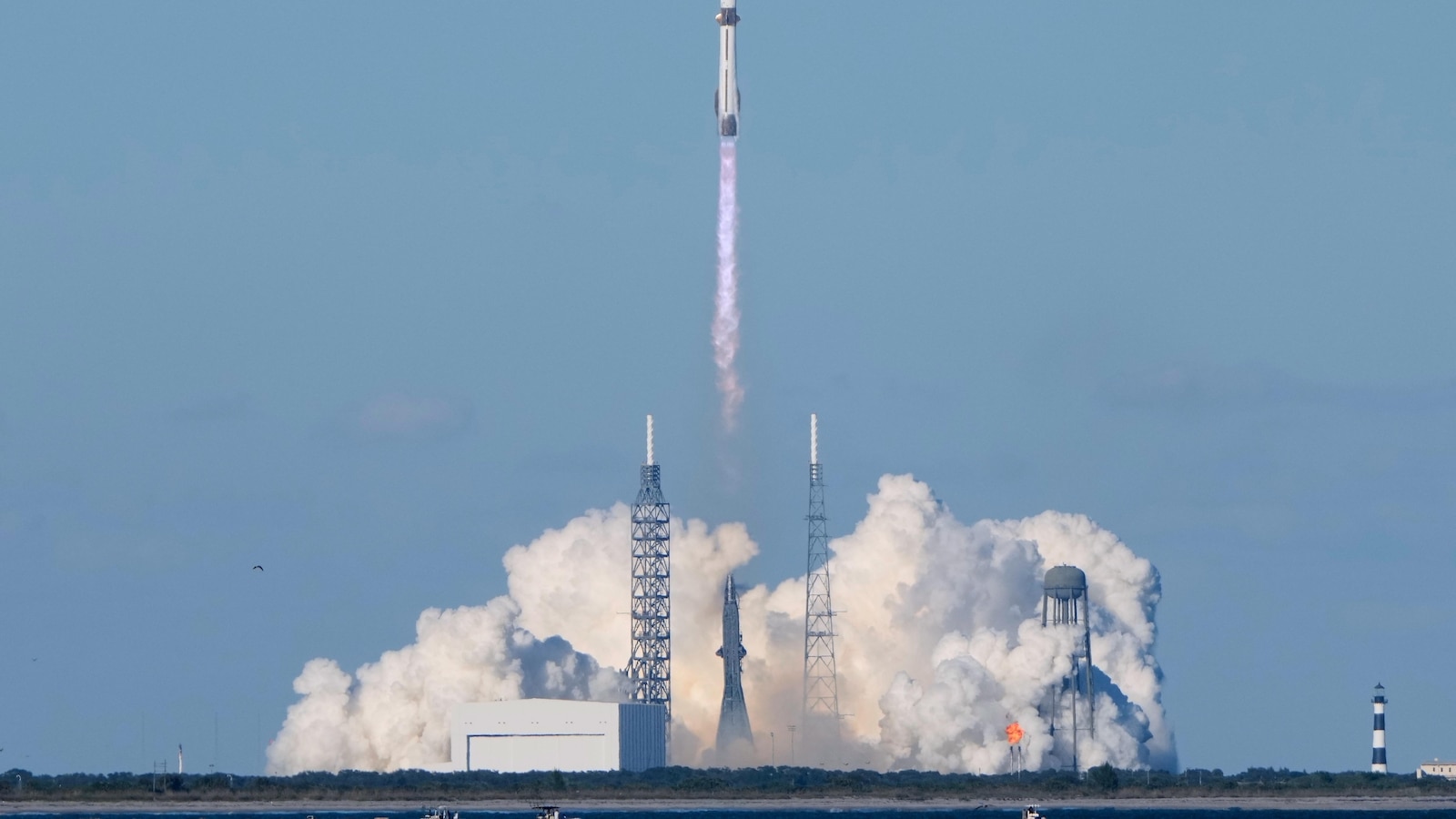
 ABC News
Blue Origin launches huge rocket carrying twin NASA spacecraft to Mars

 CBS News
Blue Origin launches twin NASA Mars probes in second flight of New Glenn rocket
Overview
Blue Origin successfully launched its New Glenn rocket from Cape Canaveral, carrying twin NASA ESCAPADE spacecraft to Mars, after a four-day delay due to stormy weather and solar activity.
The identical Mars orbiters, named Escapade, will study the Red Planet's upper atmosphere, magnetic fields, and the impact of space weather during their mission.
The Escapade probes will spend a year near Earth, 1 million miles away, before transitioning to Mars over a 10-month period to begin their scientific observations.
Blue Origin successfully recovered the New Glenn booster, partially landing it on a drone ship, a significant achievement for cost reduction and recycling efforts, similar to SpaceX.
This launch, costing under $80 million, represents a bargain for planetary spacecraft, highlighting Blue Origin's progress in making space access more affordable and competitive.
Analysis
Center-leaning sources cover the Blue Origin New Glenn launch and NASA's ESCAPADE mission neutrally. They prioritize factual reporting, using descriptive language and technical details to explain the event's execution, scientific objectives, and innovative aspects like the mission's trajectory and cost-effectiveness. There is no evidence of loaded terms or selective emphasis in their collective editorial choices.
FAQ
Recovering the New Glenn booster allows Blue Origin to reuse it for future missions, significantly reducing launch costs and making space access more affordable and sustainable, similar to SpaceX's approach with Falcon rockets.
The Escapade Mars probes will study the Red Planet's upper atmosphere, magnetic fields, and the effects of space weather, providing insights into how Mars lost its atmosphere and evolved over time.
New Glenn is the third largest operational launch vehicle, with a payload capacity of up to 45 metric tons to low Earth orbit, slightly higher than Falcon Heavy's 30-40 metric tons, and features a larger 7-meter fairing for bigger payloads.
The New Glenn launch for the Escapade mission cost under $80 million, making it a cost-effective option for planetary spacecraft launches.
The Escapade probes will spend a year near Earth, about 1 million miles away, before transitioning to Mars over a 10-month period to begin their scientific observations.
