Australia Implements World-First Social Media Ban for Under-16s, Sparks Global Debate
Australia implements a world-first social media ban for children under 16, aiming to protect them from harmful content. The move sparks global interest and debate.
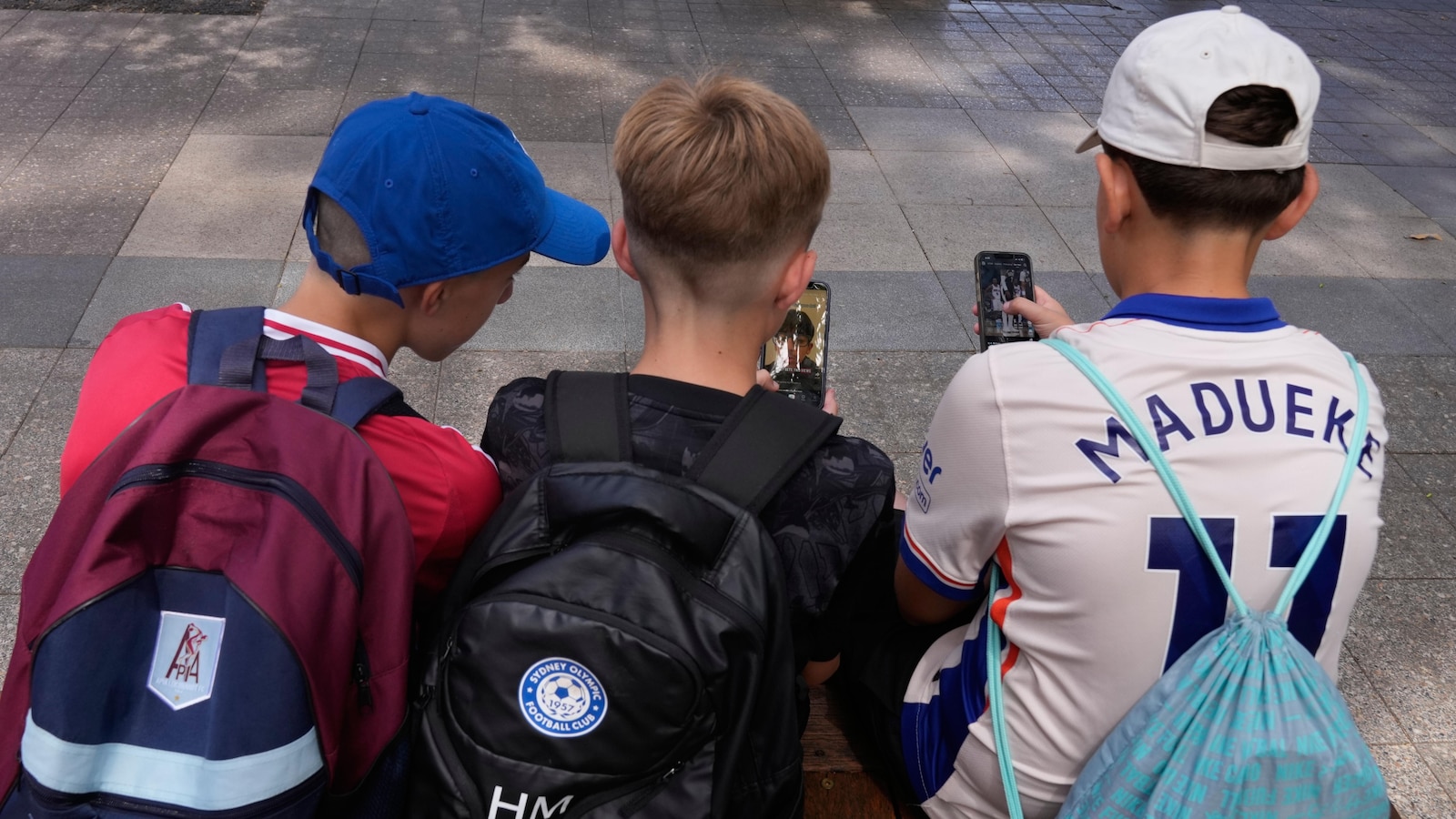
 ABC News
Social media ban for children under 16 starts in Australia

 CNN
CNNAustralia has just relieved its anxiety over teens on social media – or has it?
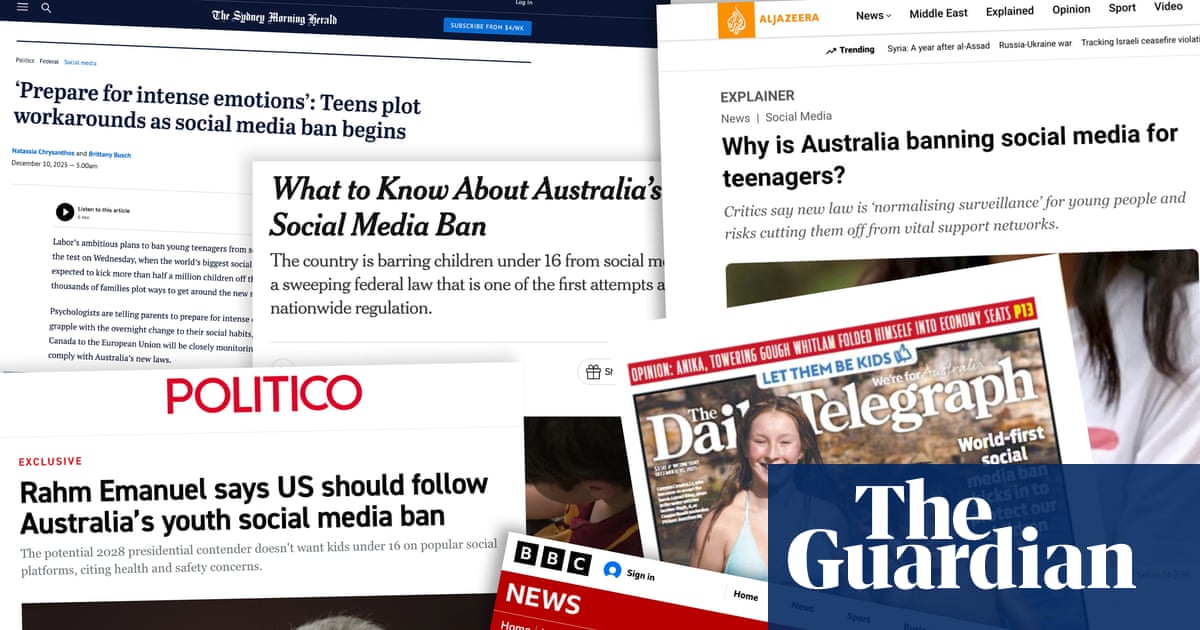
 The Guardian
‘Grand social experiment’: Australia’s social media ban turns heads globally, with mixed results

 NPR
NPRSocial media ban for children under 16 starts in Australia
Overview
Australia has implemented a world-first nationwide social media ban for children under 16, officially taking effect on December 10, with over 200,000 TikTok accounts already deactivated.
Australian Prime Minister Anthony Albanese welcomed the ban, supported by parents, campaigners, and doctors, who advocate for restrictions to safeguard children's mental health and well-being.
The eSafety Commissioner Julie Inman Grant will enforce the policy, which mandates ten major social media platforms remove accounts of users under 16, with non-compliance facing significant fines.
Critics argue the ban infringes on privacy and free speech, potentially isolating vulnerable teenagers, while experts caution that age verification methods might be circumvented, not ending bullying.
Australia's pioneering move has garnered international attention, sparking global debate, with countries like Denmark, Malaysia, Norway, and the European Union now considering similar protective measures.
Analysis
Center-leaning sources frame this story by emphasizing Australia's "world-first" social media ban as a landmark move for child protection, portraying it as families "taking back power" from tech giants. They prioritize government and advocate voices celebrating the ban's positive impact and necessity, while acknowledging implementation difficulties. Critical perspectives are largely minimized, focusing on specific financial impacts rather than broader concerns.
FAQ
The ban applies to age-restricted social media platforms including Facebook, Instagram, Snapchat, Threads, TikTok, Twitch, X, YouTube, Kick, and Reddit, as identified by the eSafety Commissioner.
The eSafety Commissioner, currently Julie Inman Grant, is responsible for enforcing the policy and ensuring platforms comply with removal of accounts for users under 16.
The government aims to protect children under 16 from harmful content and pressures linked to social media use, such as mental health risks and addictive design features encouraging excessive screen time.
Standalone online gaming and messaging apps are generally excluded, but messaging services with social-media style interactive features and those accessed through age-restricted social media accounts may be included.
Critics argue the ban may infringe on privacy and free speech rights and could isolate vulnerable teenagers; experts warn that age verification methods may be circumvented, potentially not reducing bullying.