Meta Signs Major Nuclear Power Deals to Supply AI Data Centers, Citing U.S. Competitiveness
Meta signed multi-decade nuclear power agreements with Vistra, Oklo and TerraPower to supply up to 6.6 GW by 2035 for its expanding AI data centers.

 Fox Business
Meta's massive nuclear power deals will help US 'win' AI race against China, executive says

 Breitbart News
Mark Zuckerberg's Meta Signs Major Nuclear Energy Deal to Power AI Data Centers

 Wired
WiredMeta Is Making a Big Bet on Nuclear With Oklo
 CBS News
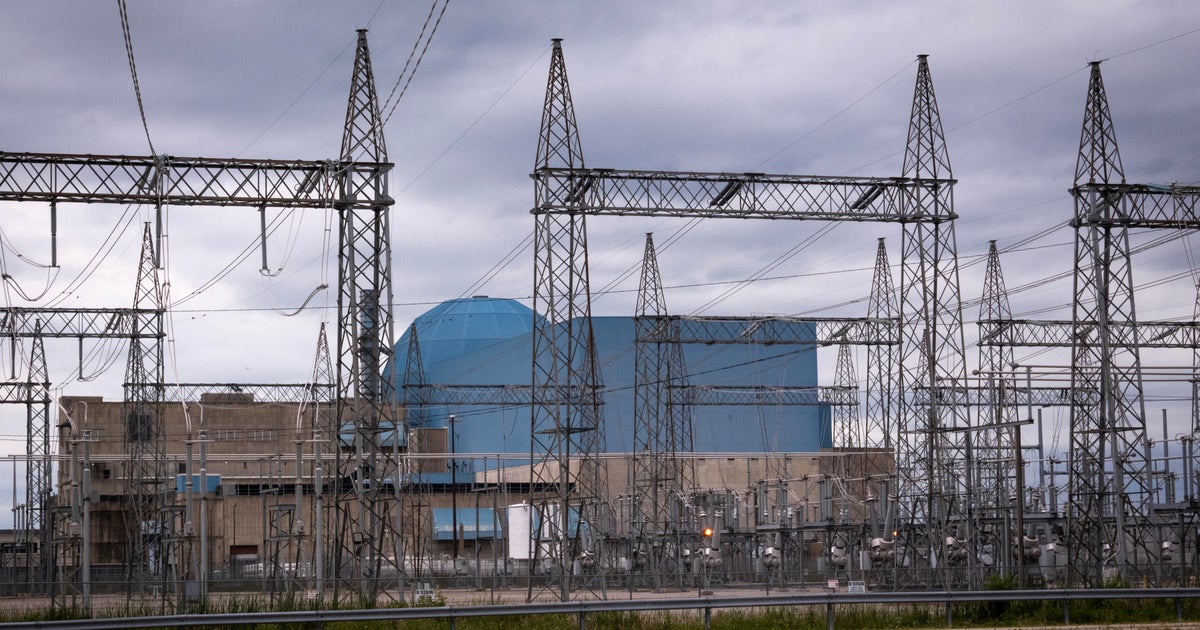
Meta signs 3 deals for nuclear energy to power AI data centers
Overview
Meta signed 20-year power agreements with Vistra and funding deals with Oklo and TerraPower, positioning itself among the largest corporate buyers of U.S. nuclear energy.
Vistra will supply electricity from Perry and Davis-Besse (Ohio) and Beaver Valley (Pennsylvania); purchases start later this year with combined capacity additions targeted through 2035.
TerraPower funding supports two Natrium reactors up to 690 MW by 2032 and rights to more units and storage; Oklo’s deal backs a potential 1.2 GW Pike County campus.
Meta says the deals add firm, 24/7 baseload power for its Prometheus AI campus, support local skilled jobs, and—according to Joel Kaplan—help the U.S. compete with China in AI.
Challenges remain: SMR approvals, supply-chain scaling, aggressive timelines, and cost uncertainties; Vistra says Meta’s backing was essential to keep previously slated plant closures economically viable.
Analysis
Center-leaning sources frame Meta’s nuclear deals as pragmatic and growth-oriented, emphasizing economic benefits, firm power and industry timelines while privileging company statements and technical promises. Editorial choices — selective sourcing of Meta, TerraPower, Oklo and Vistra, cost projections and operational timelines — downplay regulatory, safety or local-community concerns.
FAQ
Meta is turning to nuclear because it provides firm, 24/7 baseload power that can reliably run large AI data centers without interruption, while wind and solar are variable and depend on weather and time of day. Nuclear helps Meta secure predictable, long-term carbon-free electricity at the scale needed for projects like its Prometheus AI campus, and supports grid reliability in regions where power demand from data centers is rapidly rising.[2]
Meta’s agreements with Vistra, Oklo and TerraPower are intended to support up to 6.6 gigawatts of nuclear power capacity by around 2035, enough electricity to power roughly 5 million homes based on standard utility estimates.[1]
Vistra will supply more than 2.1 GW from its existing Davis-Besse and Perry plants in Ohio and the Beaver Valley plant in Pennsylvania, plus additional output from planned upgrades. TerraPower’s deal funds two Natrium advanced reactors providing up to 690 MW by about 2032, with options for energy from up to six more Natrium units totaling roughly 2.1 GW by 2035. Oklo’s agreement backs development of a 1.2 GW nuclear power campus in Pike County, Ohio, to serve Meta’s regional data centers.
The nuclear contracts are designed to provide long-term, dedicated power for Meta’s expanding AI infrastructure, especially its Prometheus AI data center cluster in New Albany, Ohio, which is planned as a roughly 1‑gigawatt campus. By tying new and existing nuclear capacity to Prometheus and other AI sites, Meta aims to ensure it can scale AI workloads without overstraining regional grids or increasing dependence on fossil fuels.[1]
Key risks include the need for U.S. regulators to approve advanced small modular and Natrium reactor designs, the difficulty of scaling nuclear supply chains, long construction timelines that push projects into the 2030s, and uncertainty over final costs. Some of the Vistra reactors were previously at risk of closure, and Meta’s financial support helps keep them viable, but permitting, financing, and execution hurdles could still affect how much capacity is ultimately delivered on schedule.[1]