CES 2026: Physical AI and robotics move from demos to devices
CES 2026 in Las Vegas spotlighted 'physical AI' and robotics across TVs, PCs, cars, home devices and wearables, with announcements from Nvidia, AMD, LG, Samsung.


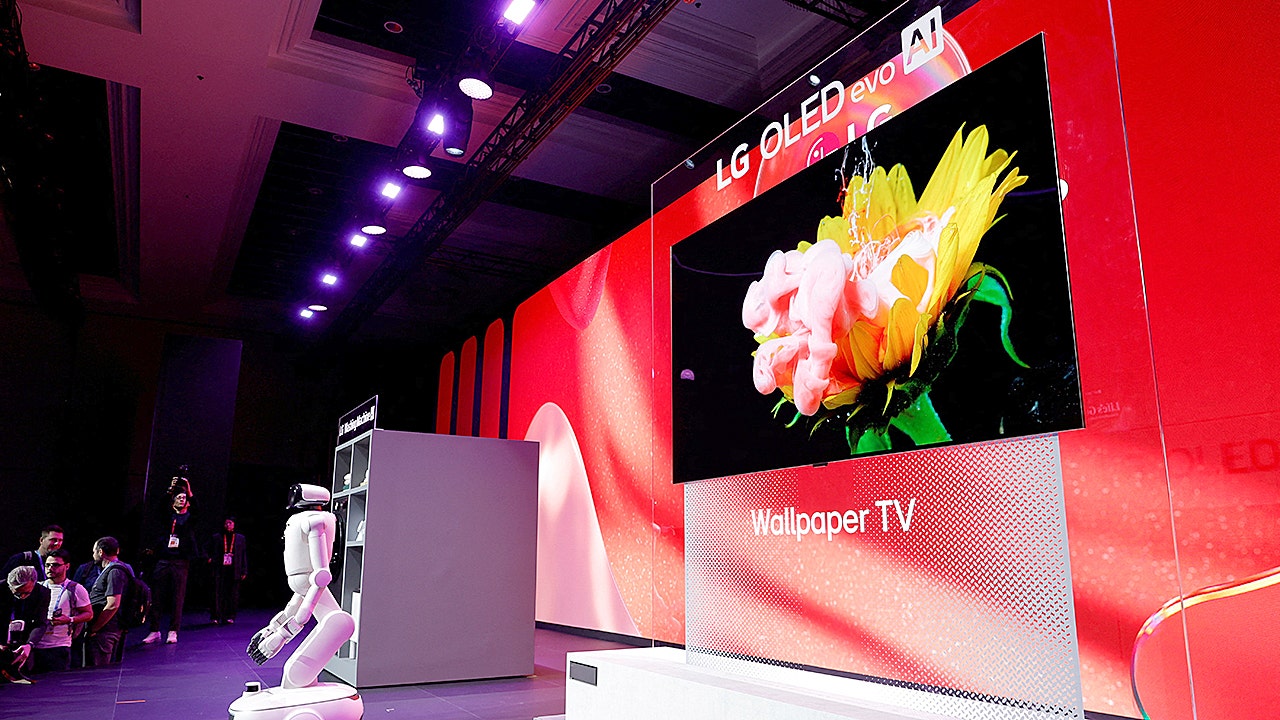

Overview
What & Where: CES 2026 in Las Vegas showcased a shift toward 'physical AI'—AI-powered robots and devices demonstrated across the show floor, keynotes, and press events.
Key companies: Nvidia, AMD, LG, Samsung, Razer, Clicks, and startups unveiled hardware and software — Rubin architecture, Ryzen AI processors, Alpamayo models, CLOiD robot, and Project AVA/Motoko.
Products & trends: Robots, AI PCs, smart TVs, wearables, AR glasses, exoskeletons and autonomous vehicles highlighted the integration of AI into consumer and industrial products and services.
Applications: Demonstrations showed AI assisting construction, manufacturing, home chores, health monitoring, pet companions and transportation, with pilots, partner programs and early product launches announced.
Why it matters: CES signaled a move from novelty to deployment—companies focusing on usable AI features, hardware upgrades, and ecosystem partnerships to bring physical AI to market.
Analysis
Center-leaning sources frame CES 2026 as an AI- and robotics-driven spectacle, emphasizing vendor triumphs, product novelty, and hands-on impressions while giving limited space to skepticism, regulatory, or societal implications. Their language, source choices, and quote selection prioritize upbeat corporate narratives and consumer-focused demos over critical context.
FAQ
At CES 2026, “physical AI” refers to AI systems embedded in robots and devices that can perceive their surroundings, reason about what to do, and act in the real world, moving beyond screen-based chatbots and apps into machines like humanoid robots, home assistants, vehicles, and smart appliances.
Nvidia, AMD, LG, Samsung and other major vendors such as Hyundai and various robotics startups drove the physical AI trend by unveiling new AI chips, reference architectures, home robots, humanoid platforms, and smart devices built around on-device intelligence and robotics capabilities.
The show highlighted AI-powered PCs, smart TVs, wearables, AR glasses, home robots, cleaning robots, exoskeletons, and autonomous vehicles, illustrating how AI is being built into consumer electronics and industrial systems rather than staying as a cloud-only software layer.
Demonstrations focused on AI assisting in construction, manufacturing, and logistics; handling home chores and cleaning; providing health monitoring and elder care; serving as pet or companion robots; and enabling autonomous and semi-autonomous transportation.
CES 2026 is viewed as a turning point because robots and AI devices moved from one-off novelty demos to production-ready or pilot-stage products, with companies emphasizing practical features, hardware tuned for local AI, and ecosystem partnerships to bring physical AI into real deployments over the next few years.