U.S. and Taiwan Reach $500 Billion Deal to Cut Tariffs and Reshore Semiconductor Production
U.S. and Taiwan cut tariffs to 15%, securing $250 billion in Taiwanese direct investments and $250 billion in credit guarantees to expand U.S. semiconductor production




Overview
Who: The U.S. Commerce Department and Taiwan’s government reached the agreement to reshape trade and semiconductor investment between the two economies.
What: Washington will lower reciprocal tariffs on Taiwanese goods to 15% and cap sector-specific duties on auto parts, timber and lumber at 15%.
Investment terms: Taiwanese chip and tech firms pledged at least $250 billion in direct U.S. investments, with Taiwan providing $250 billion in credit guarantees to spur further spending.
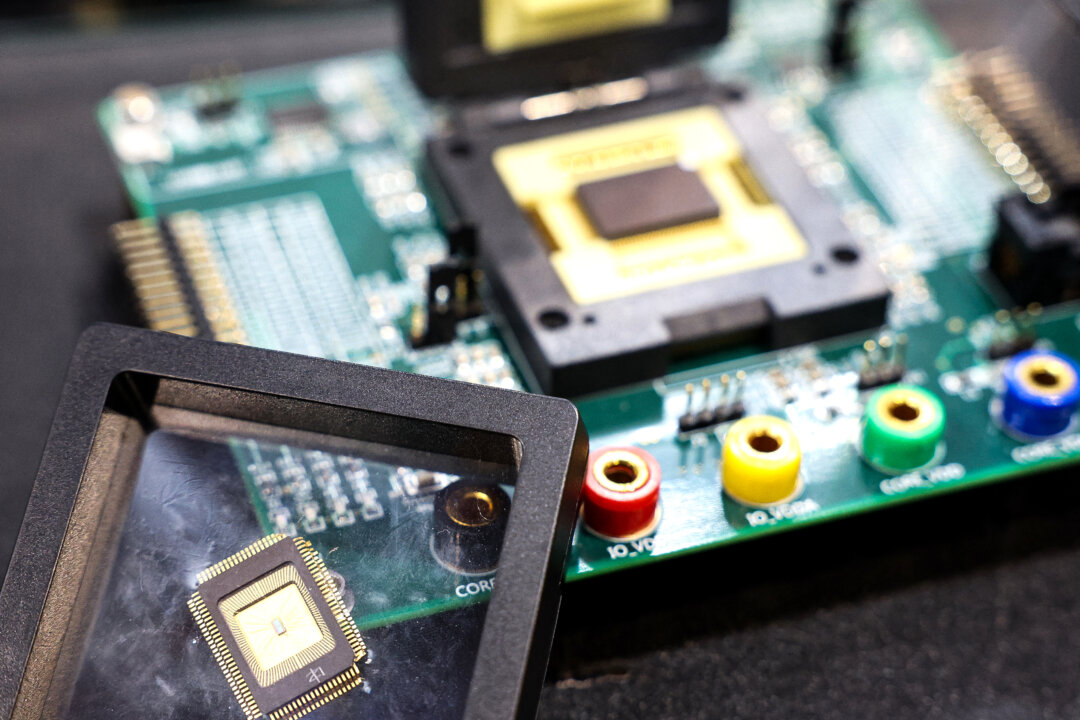
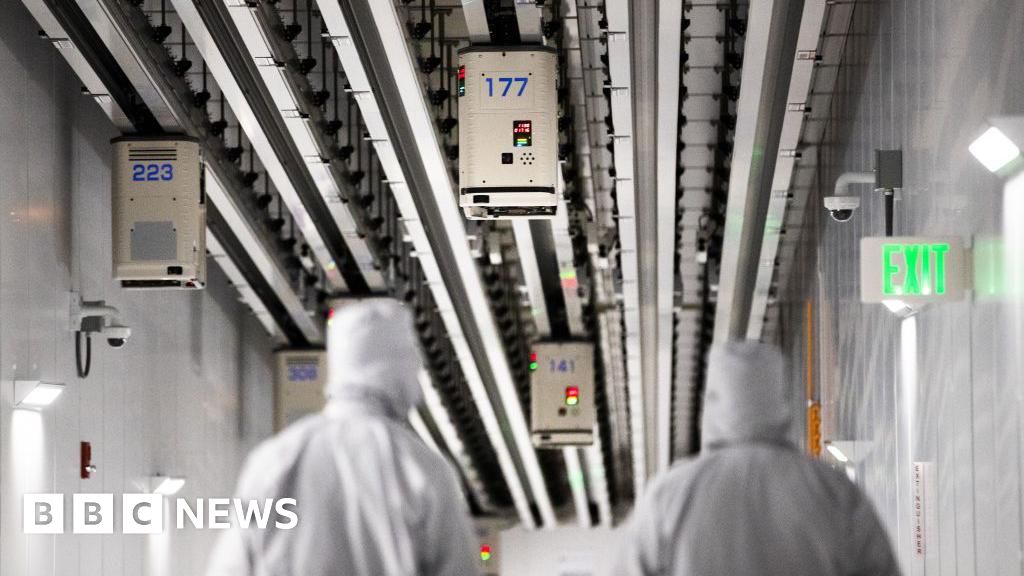
Industrial impact: Taiwanese firms investing in U.S. fabs get favorable duty treatment, import quotas during construction and aims to rebuild domestic semiconductor capacity, including potential TSMC expansion.
Why and context: The deal seeks to reshore chip supply chains, reduce supply‑chain risk, and follows months of negotiation amid political debate over tariffs and defense commitments.
Analysis
Center-leaning sources frame the deal primarily as economic-security policy success, emphasizing large investment figures, national self-sufficiency and competition with China. They foreground government and industry commitments (Commerce Department announcements, Lutnick's comments), highlight TSMC's role and U.S. subsidies, and structure coverage around tariffs, investments and legal context to promote that narrative.
FAQ
The U.S. will cap tariffs on Taiwanese goods at 15%, including sector-specific duties on auto parts, timber, and lumber. Taiwanese firms pledge $250 billion in direct U.S. investments, backed by $250 billion in credit guarantees to expand semiconductor production.
The U.S. Commerce Department, led by Secretary Howard Lutnick, and Taiwan’s government reached the agreement.
Firms building U.S. fabs get favorable duty treatment, tariff-free import quotas up to 2.5 times planned capacity during construction, and lower preferential tariffs on above-quota imports.
The deal aims to reshore semiconductor supply chains, reduce supply-chain risks, reverse offshoring that dropped U.S. global fabrication share from 37% in 1990 to under 10% in 2024, and strengthen U.S. leadership in critical industries.