Rand Paul Reconsiders Section 230 After Defamatory YouTube Video
Sen. Rand Paul says a YouTube video falsely accused him of taking money from Maduro, prompting him to seek limits on Section 230 liability protections.
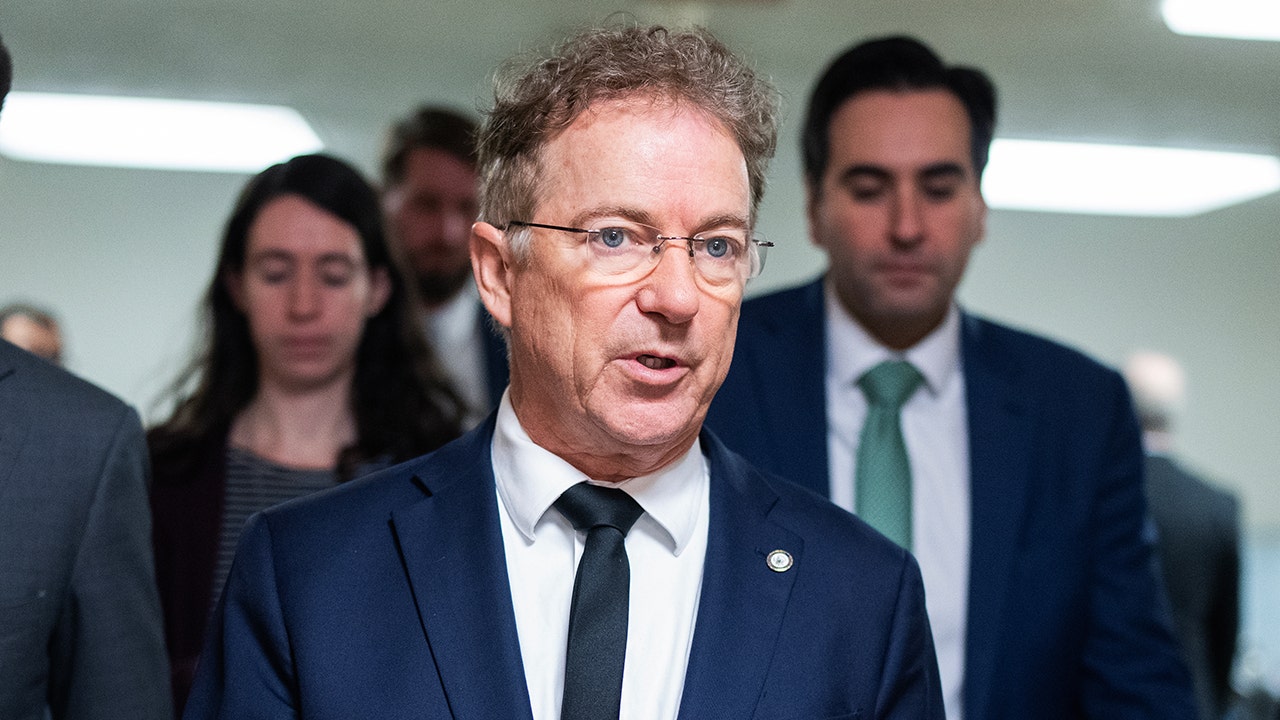
 FOX News
Rand Paul says personal experience with YouTube and Google changed his mind about platform liability
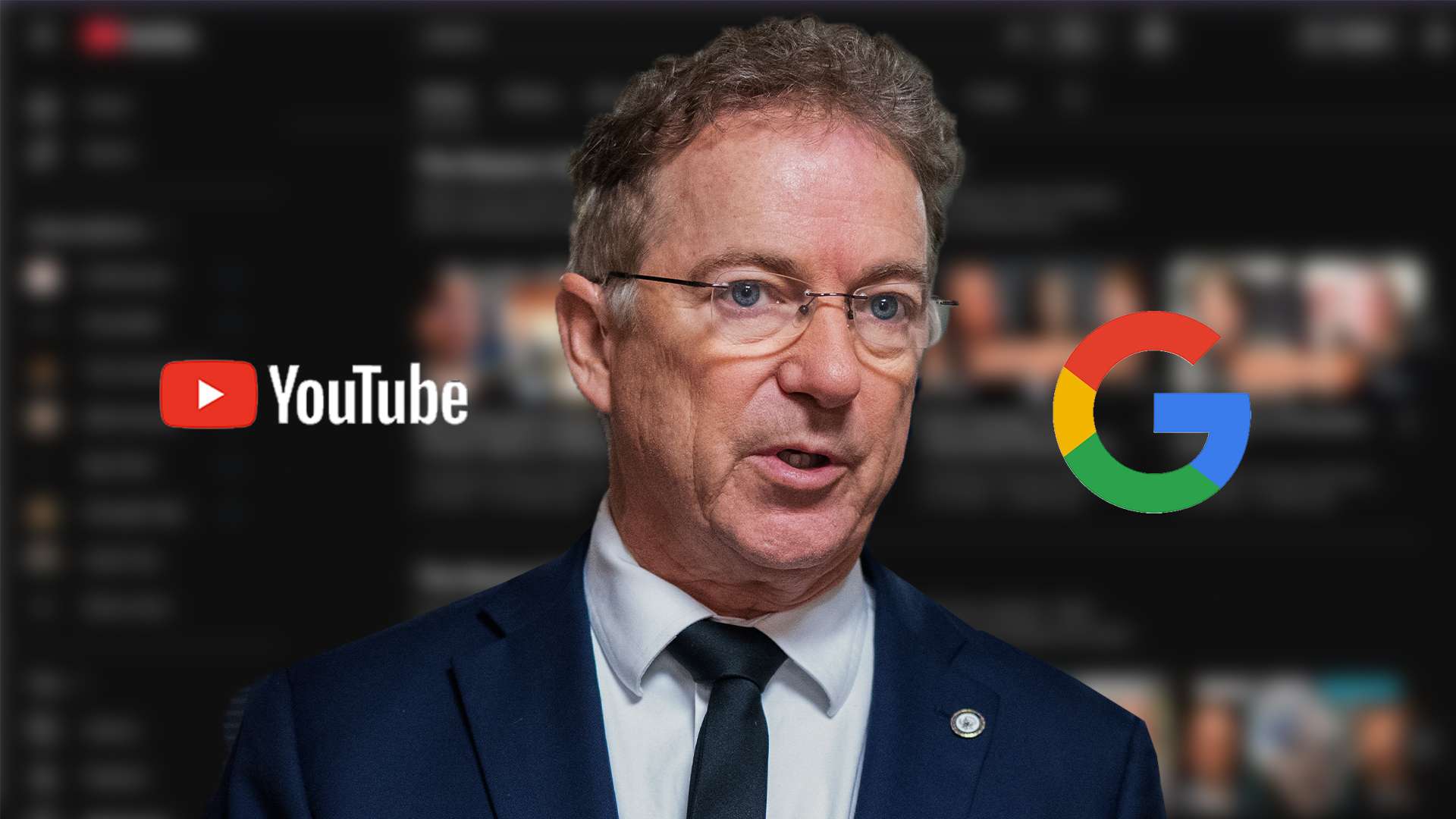
 Reason
Rand Paul turns against Section 230, citing YouTube video accusing him of taking money from Maduro

 Techdirt
Rand Paul Only Wants Google To Be The Arbiter Of Truth When The Videos Are About Him
Overview
Sen. Rand Paul (R-Ky.) says a YouTube video falsely claimed he accepted money from Venezuela's Nicolás Maduro, alleging defamation and threats to his safety.
Previously defending Section 230, Paul wrote an op-ed stating Google’s refusal to remove the video led him to pursue legislation narrowing platform liability.
YouTube said the user removed the video after being notified and that it removes only content posing serious egregious harm per its community guidelines.
Commentators noted Paul’s past opposition to government pressure on platforms and argued his private complaint to Google appears inconsistent with his earlier free-speech positions.
The dispute highlights tensions over Section 230, platform moderation responsibilities, public-figure defamation standards, and risks of increased liability prompting over-censorship or state coercion.
Analysis
Center-leaning sources cast Paul's flip as a problematic departure from free‑speech orthodoxy, using evaluative terms ("refreshing voices" then "changed his mind"), foregrounding legal/First‑Amendment stakes and slippery‑slope scenarios, privileging tech‑defense and expert context, treating Paul's NY Post op‑ed as source content, and omitting sustained pro‑reform voices.
FAQ
Section 230 of the Communications Decency Act, enacted in 1996, shields online platforms from liability for user-generated content while allowing them to moderate objectionable material without being treated as publishers.
The video falsely accused Sen. Rand Paul of accepting money from Venezuela's Nicolás Maduro, leading to death threats against him.
YouTube stated the user removed the video after notification and that it only removes content posing serious egregious harm per its guidelines; Google refused to investigate the truth of accusations.
Rand Paul previously defended Section 230 as necessary for internet functioning and free speech, stating private companies could ban him if they chose.
Paul plans to pursue legislation to narrow or end Section 230 protections for tech companies due to their refusal to remove the defamatory video.