Apple Plans AirTag-Size AI Wearable, Targets 20 Million Units by 2027
Apple is planning an AirTag-size AI pin with two cameras, three microphones and 20 million units planned for a possible 2027 launch, The Information reports.




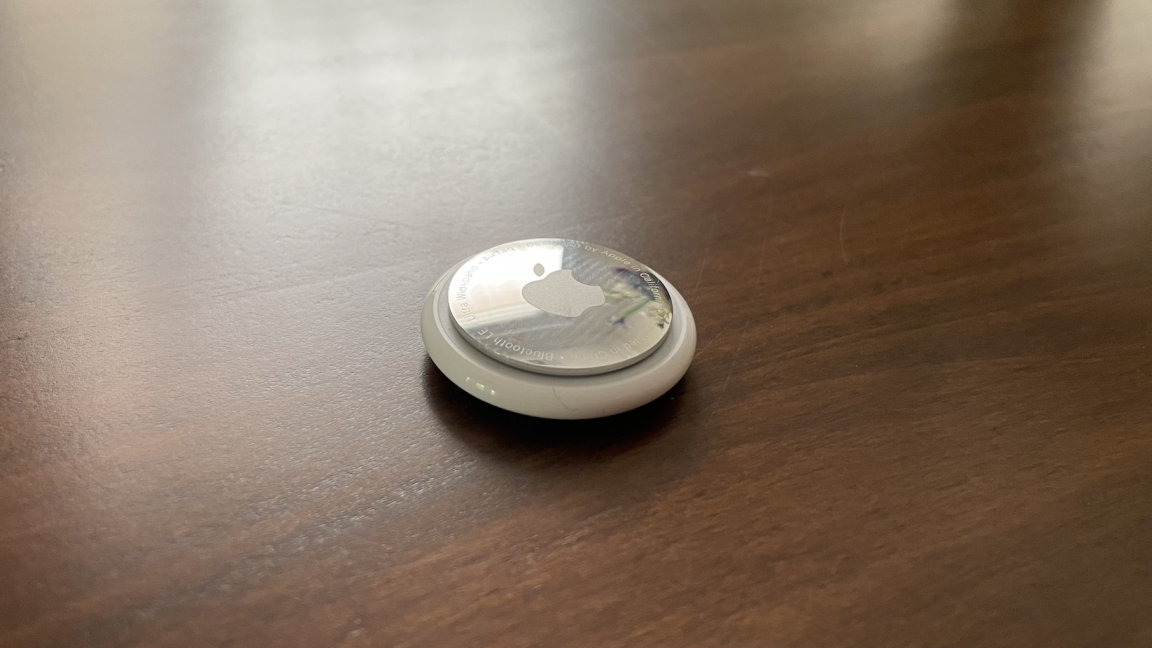

Overview
Apple is developing an AirTag-size AI wearable pin with two cameras, three microphones, a speaker and magnetic inductive charging, and it has planned 20 million units for a possible 2027 launch, The Information reports.
Bloomberg reports Apple is overhauling Siri into a chatbot codenamed Campos that will use Google's Gemini models and be integrated into iPhone, iPad and Mac operating system updates later this fall.
The Information's sources did not specify whether the pin will operate standalone or rely on a paired iPhone, and Apple did not immediately respond to requests for comment, according to the report.
The planned 20 million units follow industry moves including OpenAI's reported hardware effort with designer Jony Ive and Meta's smart-glasses investments, industry analysts said.
Privacy experts and legal scholars warn that cameras and microphones in wearable pins could prompt public pushback similar to Google Glass and draw regulatory scrutiny ahead of a 2027 release, analysts said.
Analysis
Center-leaning sources frame the story as cautious and risk-averse, emphasizing incrementalism and past failures to temper enthusiasm. They foreground comparisons to the 'failed' Humane AI pin, internal 'turmoil' over AI leadership, modest 20 million unit expectations, and unspecified pricing—collectively suggesting limited consumer impact rather than a breakthrough product.
FAQ
The AI pin is AirTag-sized with a thin, flat, circular disc shape made of aluminum and glass, featuring two cameras (standard and wide-angle), three microphones, a speaker, a physical button, and magnetic inductive charging.
A possible launch is as early as 2027, with plans for 20 million units, though development is in early stages and could be canceled.
It is unclear if the pin will operate standalone or rely on a paired iPhone; its built-in cameras, speaker, and microphones suggest possible independent operation.
Competitors include OpenAI's AI hardware with Jony Ive (possibly wearable, 2026-2027), Meta's AI glasses, Amazon's Bee bracelet, and the failed Humane AI Pin.
Privacy concerns from cameras and microphones could lead to public pushback like Google Glass and regulatory scrutiny; past AI wearables like Humane's have failed.

