Study Finds Svalbard Polar Bears Fatter Despite Sea Ice Loss
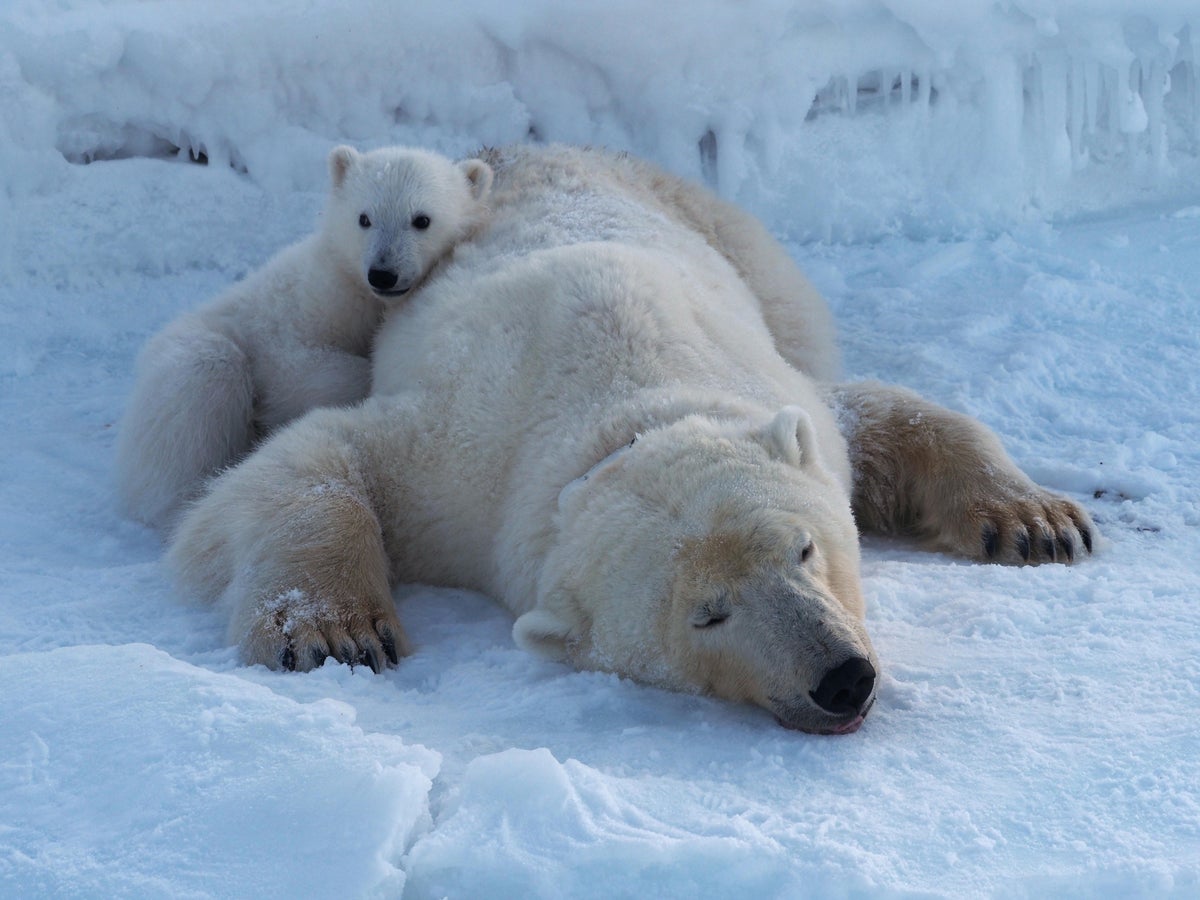
Researchers measured 770 Svalbard polar bears from 1992 to 2019 and found no decline in body condition despite major sea ice loss.



Overview
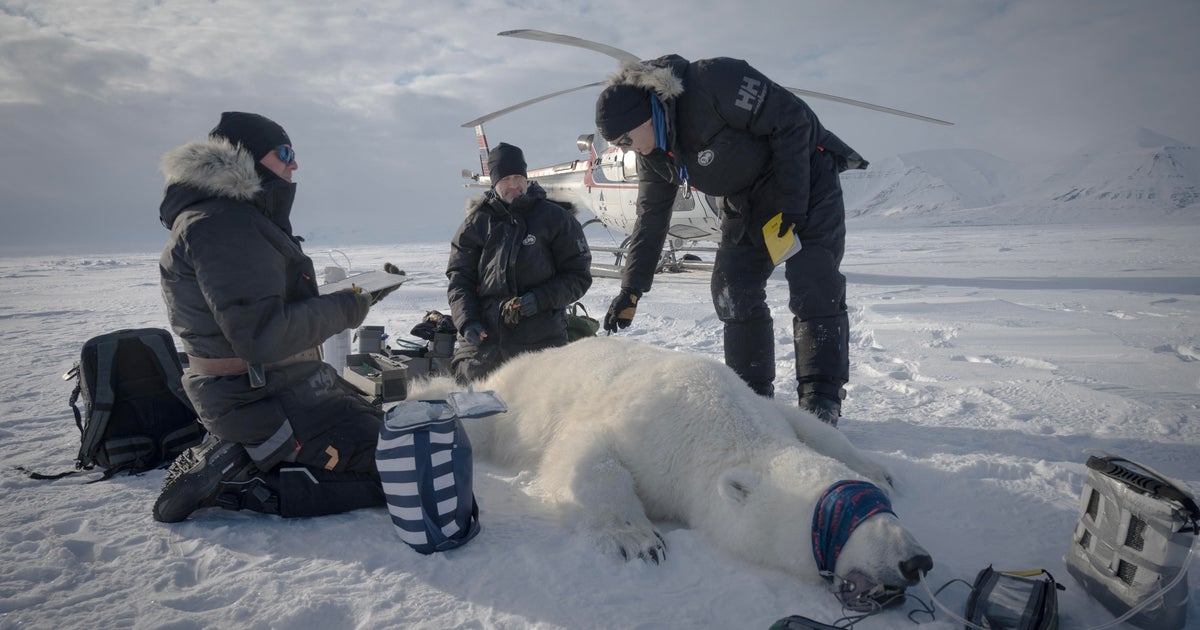
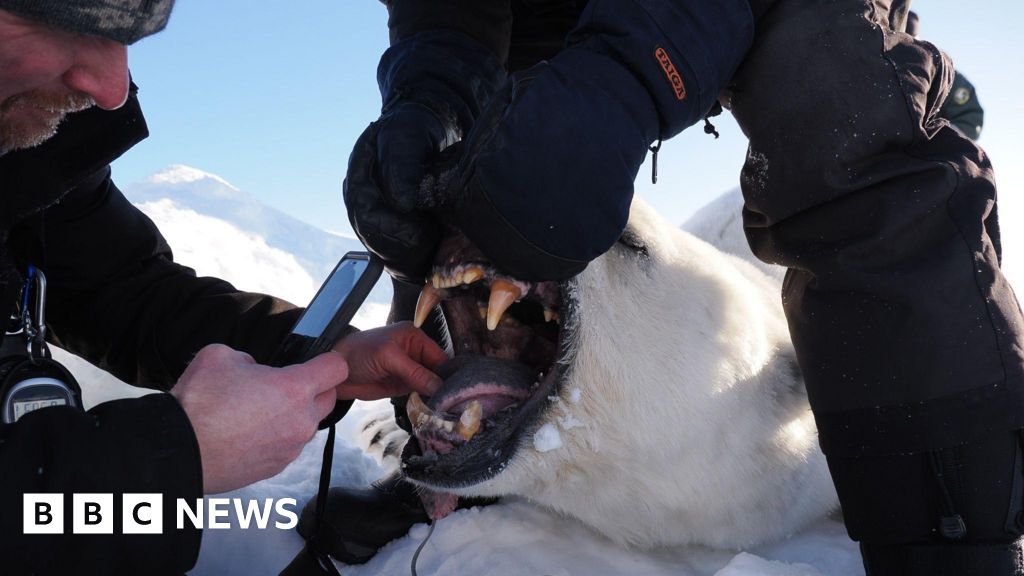
Researchers measured more than 1,000 body measurements from 770 polar bears between 1992 and 2019 and found no decline in body condition, the study published in Scientific Reports said.
Svalbard's annual sea ice season shrank by more than two months from 1992 to 2019, increasing ice-free days by about four per year, researchers said.
Jon Aars, lead author and senior scientist with the Norwegian Polar Institute, said he was "quite surprised" and warned the trend could reverse with continued warming.
Researchers said higher walrus numbers—protected in Norway since the 1950s—and increased reindeer availability may supplement seals, while other studies reported reduced cub and older-female survival, a contested pattern.
Scientists called for continued monitoring of Svalbard bears and warned that further sea ice loss could force dietary shifts or cause population declines within decades, according to the authors.
Analysis
Center-leaning sources report this story neutrally: they use measured language, attribute claims to scientists or organizations, and present competing explanations (walrus recovery, hunting-era rebound vs. sea-ice loss harms). They avoid loaded adjectives and include caveats (reduced cub survival), which balances surprising findings with broader climate risks.
FAQ
Researchers measured over 1,000 body measurements from 770 polar bears in Svalbard from 1992 to 2019 and found no decline in body condition despite major sea ice loss.
Svalbard's annual sea ice season shrank by more than two months, with ice-free days increasing by about four per year.
Higher walrus numbers, protected since the 1950s, and increased reindeer availability may supplement their seal diet.
Lead author Jon Aars was surprised by the results and warned the trend could reverse with continued warming, potentially forcing dietary shifts or population declines within decades.
Jon Aars, senior scientist with the Norwegian Polar Institute, led the study. Other studies report reduced cub and older-female survival, a contested pattern.