Researchers Use Genomics to Accelerate American Chestnut Restoration
Study published in Science in 2026 shows genomic tests of 4,000+ trees can pinpoint disease-resistant, fast-growing chestnuts to shorten breeding timelines.



Overview
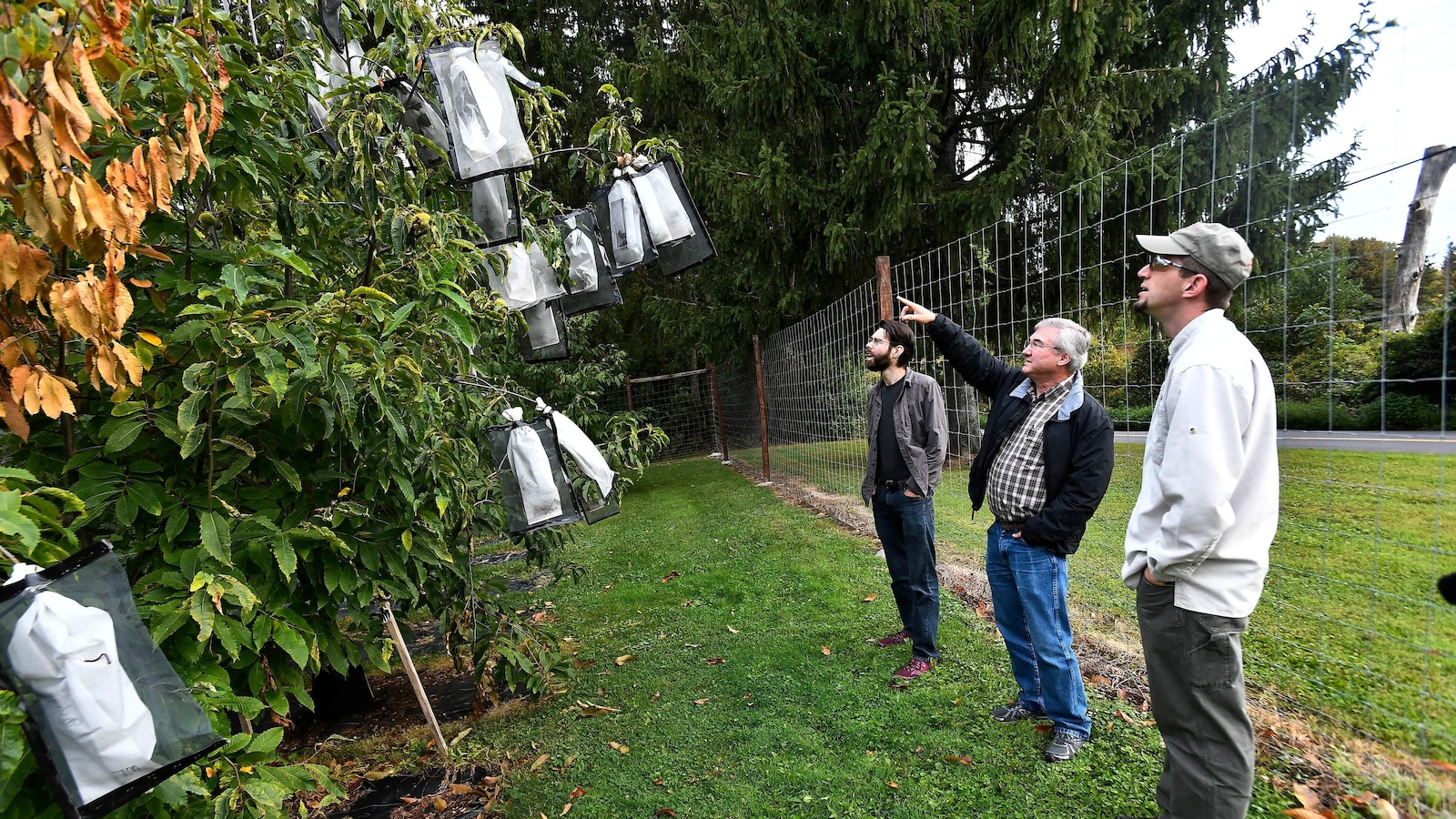
A team led by Jared Westbrook published a paper in Science in 2026 reporting that genomic testing of more than 4,000 inoculated chestnut trees can predict which seedlings will resist blight and grow quickly, speeding selection.
The study matters because researchers say selecting on genetic profiles can shorten generational gaps and produce trees retaining roughly 70% to 85% American chestnut DNA, potentially accelerating restoration efforts.
Steven Strauss, a professor of forest biotechnology at Oregon State University, urged in an accompanying commentary that gene editing could be a faster, more precise route but warned regulatory hurdles could delay deployment.
Researchers infected and tracked over 4,000 individual trees for an average of more than 14 years and produced the highest-quality chestnut genome assemblies, identifying about 25,000 to 30,000 genes, the paper reports.
The American Chestnut Foundation plans to apply genomic predictions in test orchards and repeat selection cycles, and the authors said restoration could unfold over the coming decades while monitoring for genetic bottlenecks.
Analysis
Center-leaning sources present this research neutrally, focusing on methods, data, and trade-offs without partisan language. They enumerate multiple restoration approaches, report quantitative results (4,000 trees, 14-year trials, a 0–100 resistance scale), and highlight limits—growth penalties and genetic complexity—letting researchers' findings and caveats drive the narrative.
FAQ
Chestnut blight is a fungal disease introduced in the early 1900s that devastated American chestnut trees, nearly wiping them out across their native eastern US forests.
