Jury Finds Musk Sued OpenAI Too Late; Judge Adopts Verdict
An advisory jury found Elon Musk's 2024 suit against OpenAI time‑barred; he says he'll appeal to the Ninth Circuit and OpenAI called the verdict a victory.





Overview
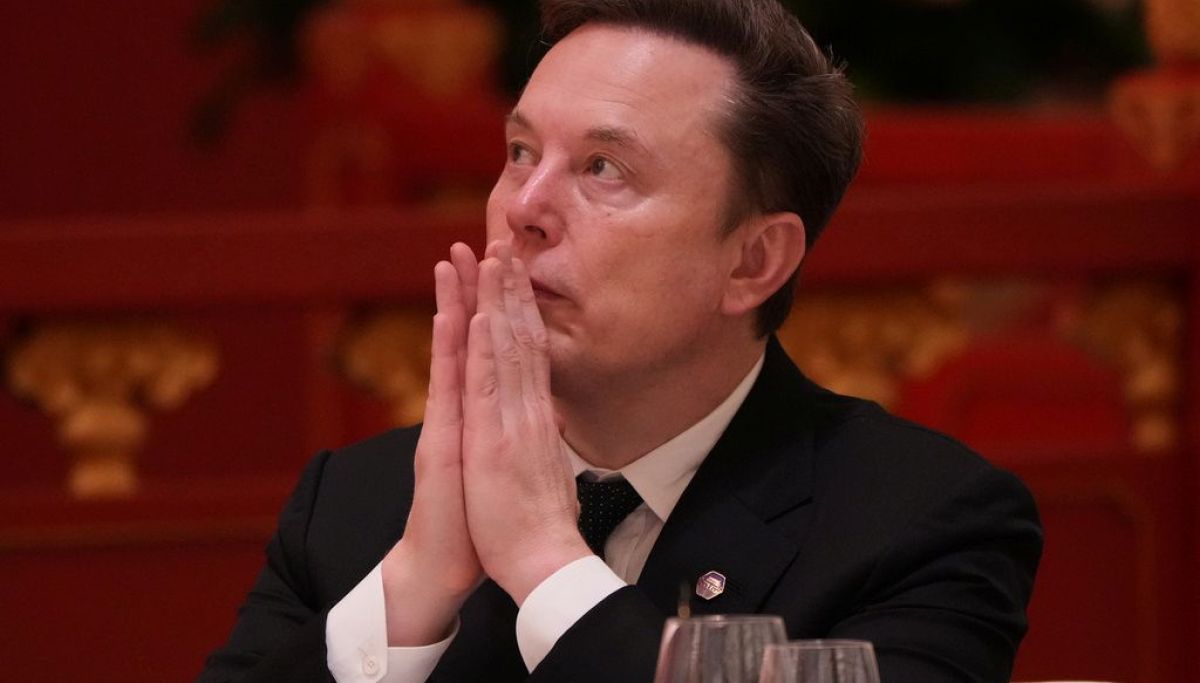
A unanimous advisory jury found Elon Musk's 2024 lawsuit against OpenAI and Sam Altman was barred by the applicable statutes of limitations, and U.S. District Judge Yvonne Gonzalez Rogers immediately accepted the verdict.
Musk had alleged breach of charitable trust and unjust enrichment after donating $38 million to OpenAI, arguing founders abandoned the nonprofit mission when the company created a for‑profit arm and restructured.
Musk said he will appeal to the Ninth Circuit and called the decision a 'calendar technicality' on X, while OpenAI lawyers and a Microsoft spokesperson hailed the verdict as a vindication of the facts and timeline.
Jurors deliberated about two hours after three weeks of testimony that included Musk, Altman and Microsoft's CEO Satya Nadella, and Musk had sought as much as $180 billion and the removal of OpenAI leaders.
Because the jury found Musk's claims were time‑barred under a three‑year statute for breach of charitable trust and a two‑year statute for unjust enrichment, the court did not reach the merits and Musk's lawyers reserved rights to seek further review.
Analysis
Center-leaning sources frame the story as a vindication for OpenAI while spotlighting industry controversy. Editorial choices use charged descriptors ("ambition, backstabbing and self-enrichment"), emphasize quick jury dismissal and protests, and foreground regulatory concerns. Source content — e.g., Savitt's "hypocritical" line and Toberoff's theft claim — is presented but not reframed.