Starship Test Flight 13
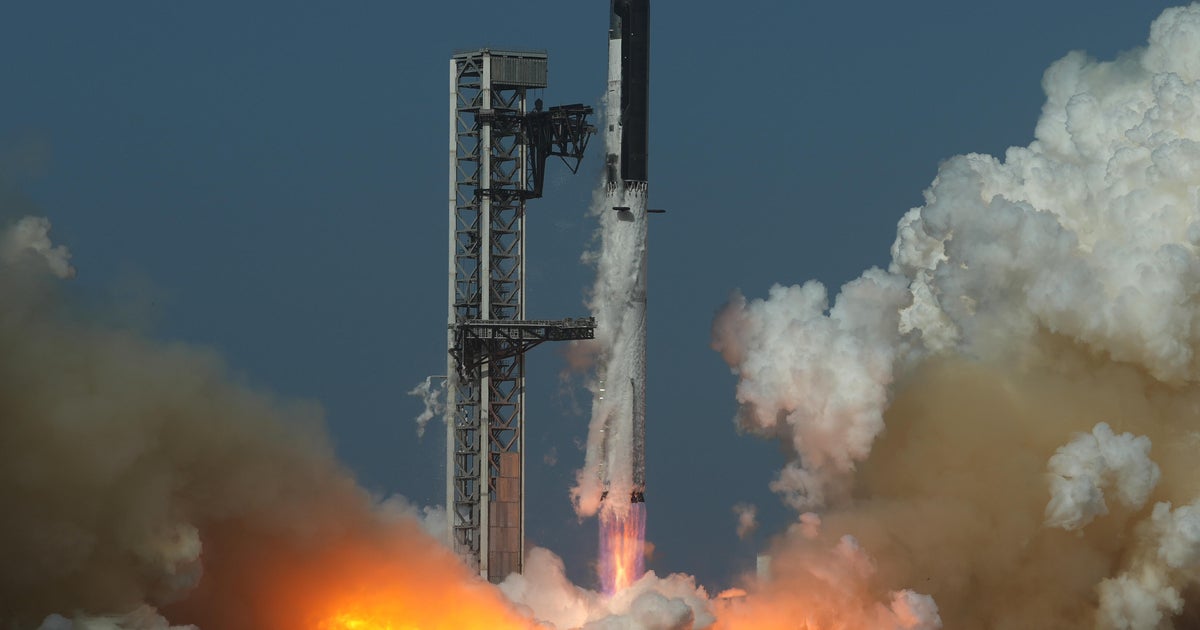
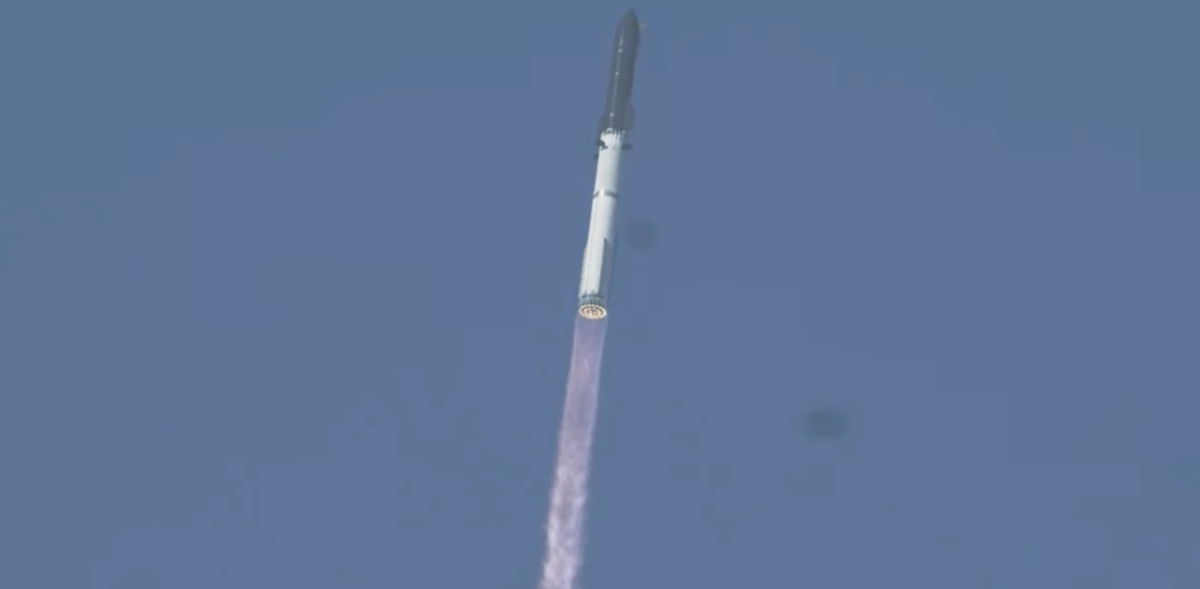
SpaceX's Starship reached key milestones as it tested its most advanced Starlinks.




9
Articles
9
Sources
33%
Analysis & opinion
The reporting
SpaceX launched Starship Flight 13 from Starbase, Texas, sending 20 third-generation Starlink satellites on the vehicle’s first Starlink deployment during a suborbital test flight. The 407-foot Super Heavy-Starship stack lifted off at 5:51 p.m. ET, and the booster separated about two minutes into flight before a controlled but hard splashdown in the Gulf of Mexico during a simulated landing. The Starship upper stage continued across space, released the satellites, and completed a controlled splashdown in the Indian Ocean. The flight followed a July 16 abort after four engines failed to ignite, prompting SpaceX to replace two Raptor engines.
Analysis & opinion
Progress With CaveatsLeans Left
SpaceX’s latest Starship test delivered meaningful progress and hit important milestones. The program still has serious technical and operational challenges to overcome before it can meet its larger goals.


Get tomorrow's edition
Every side, every morning — free in your inbox.