Trump Announces Ceasefire Between Israel and Iran Following Missile Attacks
President Trump declared a 12-hour ceasefire between Israel and Iran after escalating tensions, including missile attacks on U.S. bases, aiming for regional peace.
 CNN
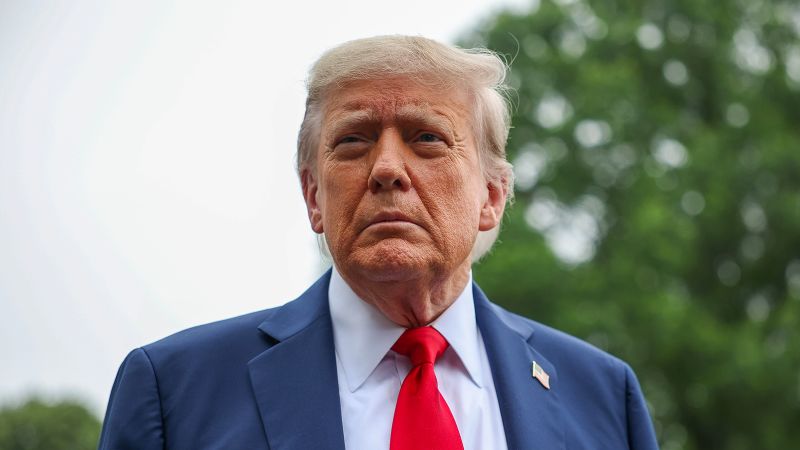
CNNDramatic day of diplomacy culminates in Trump announcing Iran-Israel ceasefire | Politics

 NBC News
Democrats struggle to come up with a unified response to Trump's Iran strikes
 CBS News
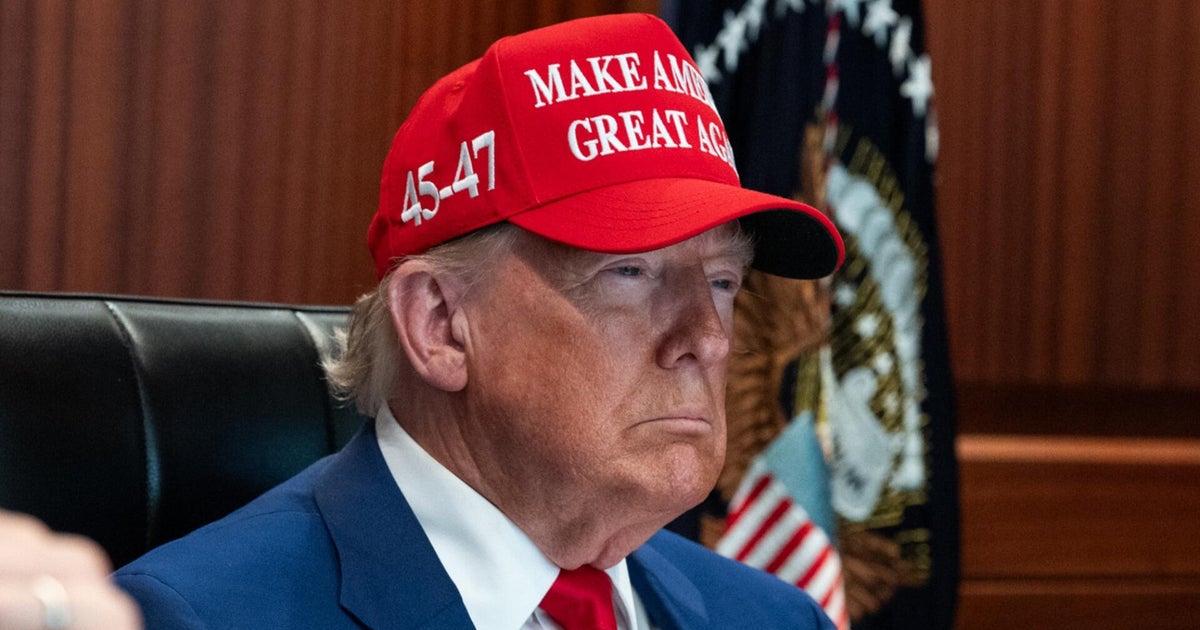
Trump announces Israel and Iran have agreed to a ceasefire, but Iran sounds less definitive

 FOX News
Republicans congratulate Trump amid Iran ceasefire as Dems hold back applause
Overview
President Trump announced a 12-hour ceasefire between Israel and Iran after a 12-day conflict marked by missile attacks and airstrikes.
Iran retaliated with missile strikes on Al Udeid Air Base in Qatar, which were largely intercepted, causing no U.S. casualties.
The ceasefire aims to de-escalate tensions following U.S. airstrikes on Iranian nuclear facilities, which Trump claims caused significant damage.
Mixed reactions emerged from Congress regarding Trump's military actions, with calls for a vote on war powers and criticism from both parties.
Despite Trump's announcement, Iran's Foreign Minister denied any agreement on the ceasefire, highlighting ongoing diplomatic uncertainties.
Analysis
Center-leaning sources frame the ceasefire announcement as a significant yet uncertain development, highlighting Trump's optimistic rhetoric while contrasting it with Iran's ambiguous stance. The coverage reflects skepticism about the durability of the ceasefire, revealing a bias towards questioning the effectiveness of Trump's diplomacy amid ongoing violence and casualties.
FAQ
The ceasefire agreement announced by President Trump involves two 12-hour ceasefire periods, with Iran starting the first period. Following that, Israel will observe the second 12-hour ceasefire. After these 24 hours, the conflict will be officially declared ended.
The conflict escalated after U.S. airstrikes targeted Iranian nuclear facilities, causing significant damage, followed by missile attacks by Iran on U.S. bases such as Al Udeid Air Base in Qatar.
Congress showed mixed reactions, with calls for a vote on war powers and criticism coming from both political parties regarding President Trump's decision to order military strikes against Iran.
Iran's Foreign Minister denied any agreement on the ceasefire, indicating ongoing diplomatic uncertainties despite President Trump's announcement.
Iran's missile strikes on the Al Udeid Air Base in Qatar were largely intercepted, resulting in no U.S. casualties.
