Red Sea Cable Cuts Disrupt Internet Across Asia and Middle East
Undersea fiber optic cable cuts in the Red Sea are causing significant internet disruptions, increased latency, and slower speeds across Asia and the Middle East, impacting critical services like Microsoft Azure.

 TechCrunch
Microsoft says Azure affected after cables cut in the Red Sea

 Fox Business
Microsoft cloud service impacted in Middle East due to damaged fibers in Red Sea

 BBC News
Microsoft Azure services disrupted by Red Sea cable cuts
 NBC News
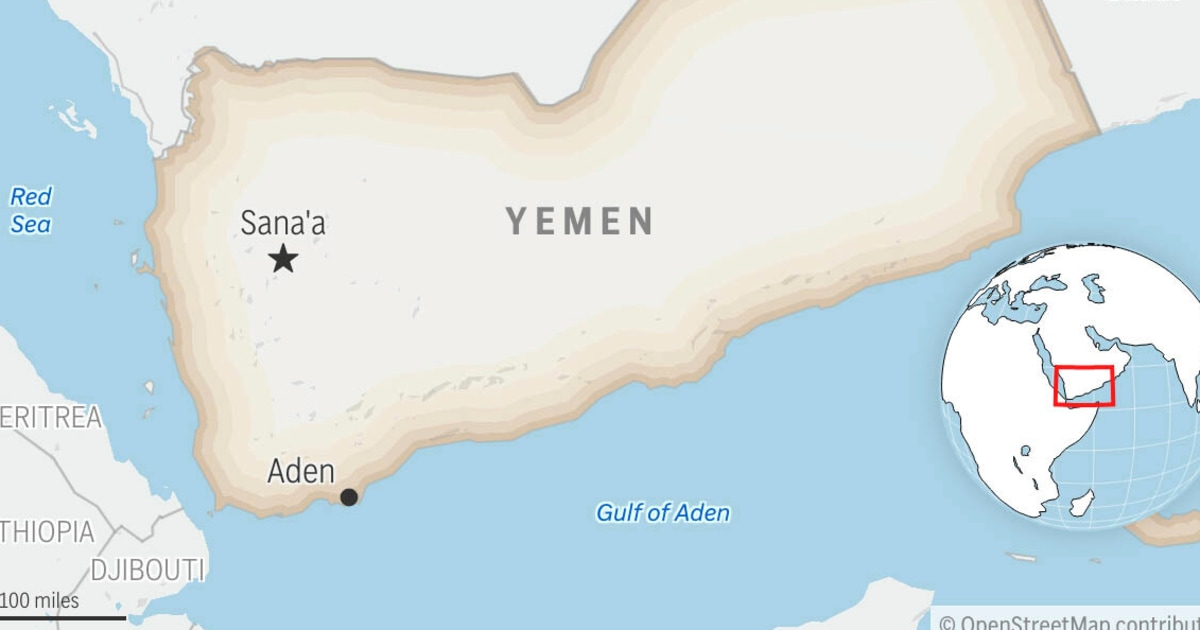
Undersea cables cut in the Red Sea, disrupting internet access in Asia and the Middle East
 Associated Press
Undersea cables cut in the Red Sea, disrupting internet access in Asia and the Mideast
Overview
Undersea fiber optic cables in the Red Sea have experienced multiple cuts, leading to widespread internet disruptions and increased latency across the Middle East and Asia.
Countries including India, Pakistan, and the United Arab Emirates are experiencing degraded internet connectivity and slower speeds due to these critical infrastructure outages.
The exact cause of the cable cuts remains uncertain, with possibilities ranging from ship anchors to deliberate attacks, despite denials from groups like Yemen's Houthi rebels.
Microsoft announced that its Azure cloud services are facing increased latency for users in the Middle East and Asia, as data traffic is rerouted due to the damage.
Repairs to the damaged undersea cables could take several weeks, requiring specialized ships and crews to locate and fix the breaks, prolonging the internet disruptions.
Analysis
Center-leaning sources frame this story by strongly associating the undersea cable cuts with the ongoing campaign by Yemen’s Houthi rebels. While acknowledging the lack of immediate clarity on the cause and mentioning other possibilities, the extensive background provided on Houthi attacks and their regional activities creates a prominent narrative link, even as their past denials are noted.
FAQ
The exact cause of the undersea fiber optic cable cuts in the Red Sea remains uncertain. Possible causes include ship anchors or deliberate attacks, although groups like Yemen's Houthi rebels have denied involvement.
The cable cuts have disrupted internet connectivity across Asia and the Middle East, with countries including India, Pakistan, and the United Arab Emirates experiencing slower internet speeds and increased latency.
Repairs to the damaged undersea fiber optic cables could take several weeks, as they require specialized ships and crews to locate and fix the breaks underwater.
Microsoft Azure cloud services have experienced increased latency, especially for users in the Middle East and Asia, because data traffic had to be rerouted due to the damaged cables. Microsoft has been actively monitoring and optimizing routing to mitigate the impact.
The Red Sea is a strategic chokepoint because about 17% of global internet traffic between Europe, Asia, and Africa passes through multiple undersea cables laid along its seabed. This concentration makes it a single point of failure for many internet routes.