Nepal Prime Minister Resigns Amid Deadly Protests Over Social Media Ban and Corruption
Nepal's Prime Minister KP Sharma Oli resigned amid deadly, widespread protests over a social media ban and corruption, which killed 19 and injured hundreds.
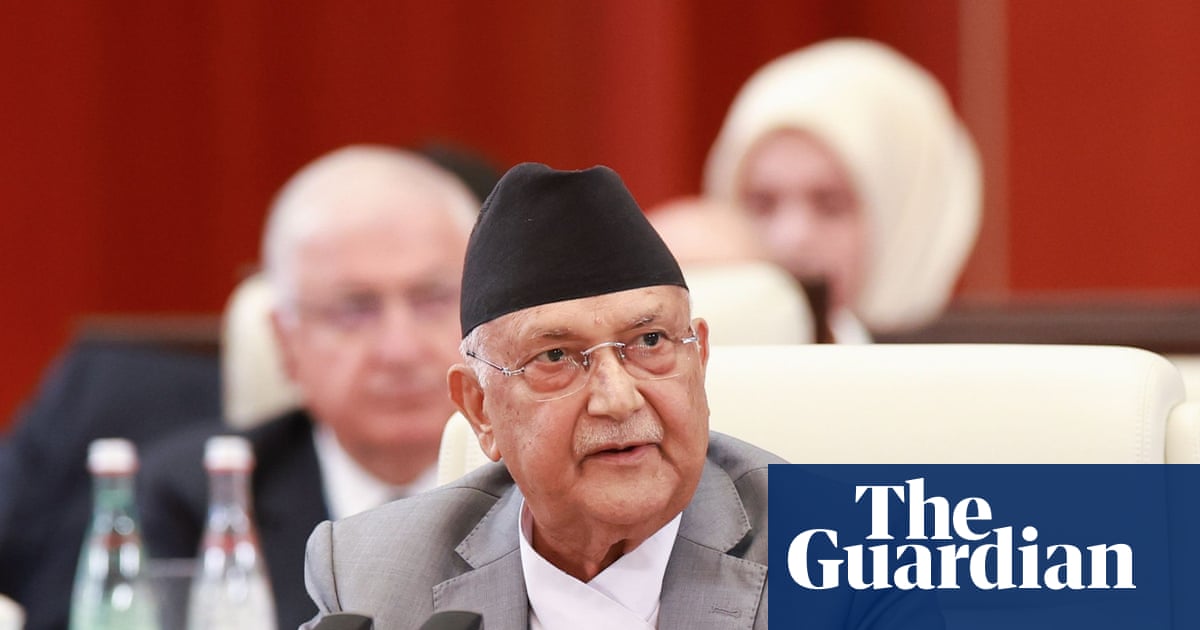
 The Guardian
Nepal’s prime minister resigns after social media ban sparks deadly protests
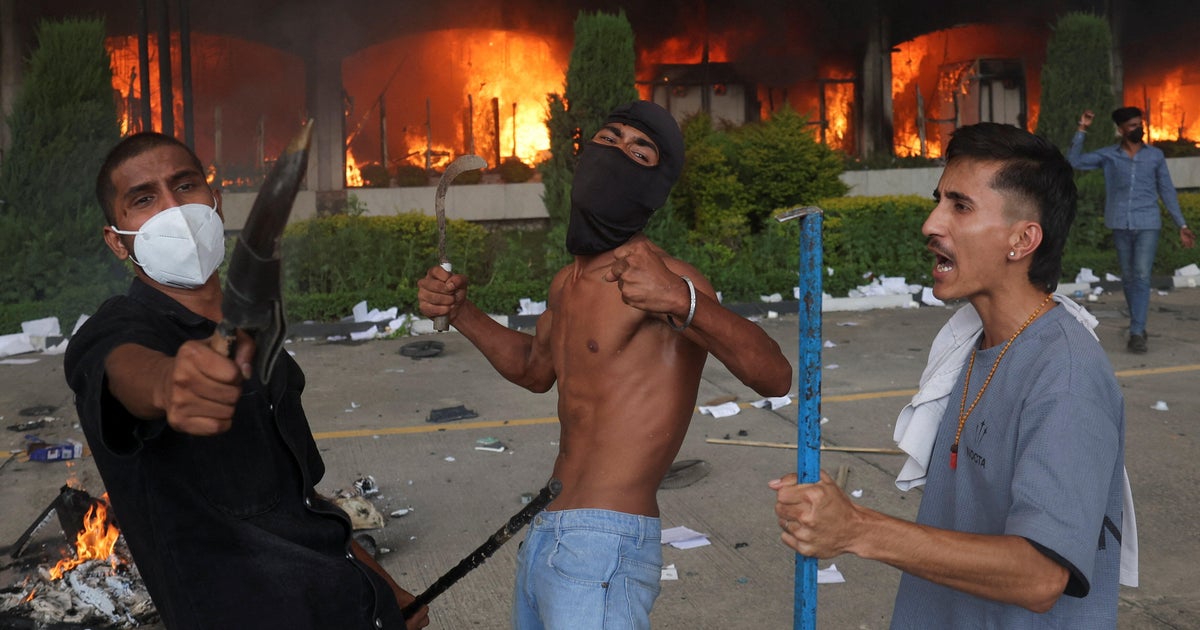
 CBS News
Nepal protests over repealed social media ban rage, sparking prime minister's sudden resignation

 Al Jazeera
‘They murdered young people’: Nepal’s Gen Z anger explodes after 19 killed

 TIME Magazine
What to Know About Nepal’s Deadly ‘Gen Z’ Protests
Overview
Nepal's Prime Minister KP Sharma Oli and Home Minister Ramesh Lekhak resigned after widespread, deadly protests erupted across the nation.
The demonstrations were fueled by a government ban on social media platforms like Facebook and X, alongside public anger over alleged corruption.
Security forces responded with live ammunition, rubber bullets, and tear gas, leading to 19 deaths and hundreds of injuries among protesters.
Protesters, largely led by Generation Z, defied curfews imposed in Kathmandu and other cities, marking the worst unrest in decades.
The internet ban was lifted following the deadly clashes, reflecting a global trend of declining online freedom and government suppression.
Analysis
Center-leaning sources cover the Nepal prime minister's resignation neutrally, presenting a balanced account of the events. They report the facts of the protests, the reasons behind them (social media ban, corruption), and the government's response without using loaded language or taking a side. The coverage includes diverse perspectives, allowing readers to form their own conclusions.
FAQ
The protests were mainly sparked by a government ban on multiple social media platforms and widespread public anger over corruption and nepotism among political leaders. The young generation protested against government mismanagement, lack of transparency, and restrictions on online freedom.
The Nepalese government ordered the shutdown of 26 social media platforms, including Facebook, X, YouTube, LinkedIn, Reddit, Signal, and Snapchat, for failing to register under new government rules intended to monitor undesirable content. This followed a Supreme Court order requiring social media platforms to register with the Ministry of Communication and Information Technology.
Security forces responded to the protests with live ammunition, rubber bullets, and tear gas, which resulted in at least 19 deaths and hundreds of injuries among protesters. The protests defied curfews in major cities and represented the worst unrest in Nepal in decades.
Prime Minister KP Sharma Oli and Home Minister Ramesh Lekhak resigned due to the widespread and deadly protests triggered by the social media ban and widespread allegations of government corruption and nepotism that led to significant political instability.
The internet ban in Nepal, which included access restrictions to multiple social media platforms, reflects a global trend of declining online freedom and increased government suppression of digital platforms under various pretexts such as political control and monitoring content.