Israeli-Russian Researcher Elizabeth Tsurkov Freed After Two Years in Iraq Captivity
Elizabeth Tsurkov, an Israeli-Russian researcher, was freed in Iraq after 2.5 years held by Iran-backed Kataib Hezbollah, announced by President Donald Trump.
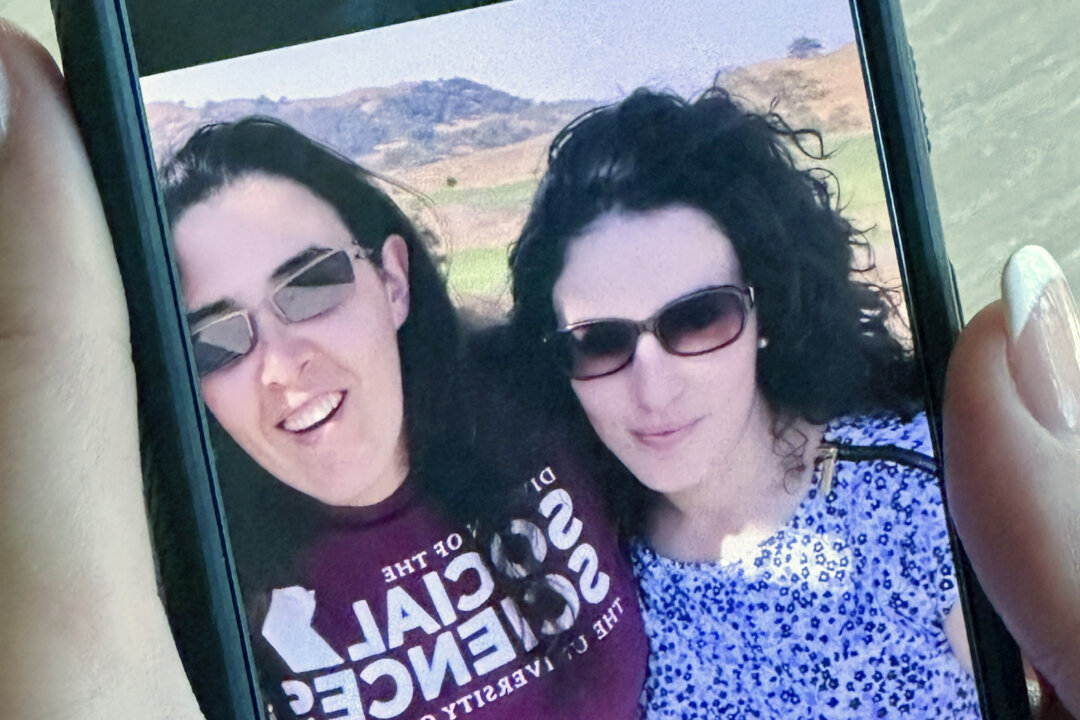
 Epoch Times
Trump Says Kidnapped Princeton Scholar Freed, Now Safe at US Embassy in Baghdad

 New York Daily News
Elizabeth Tsurkov, Princeton grad student kidnapped in Iraq, freed after 2.5 years

 Al Jazeera
Israeli-Russian researcher freed in Iraq after two years in captivity
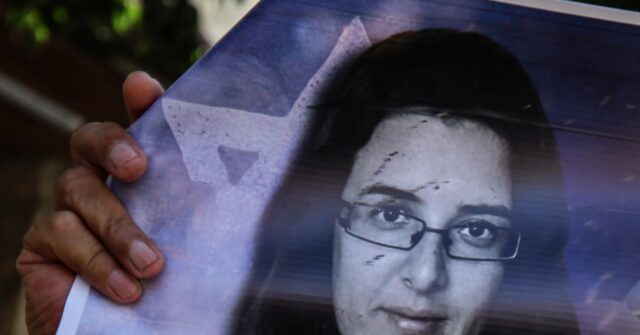
 Breitbart News
Israeli Hostage Freed -- by Iran-Based Militia in Iraq
Overview
Israeli-Russian researcher Elizabeth Tsurkov was released in Iraq after approximately 2.5 years in captivity, having been abducted and held by the Iran-backed Kataib Hezbollah.
US President Donald Trump announced her freedom, confirming she is now safe in U.S. custody at the U.S. Embassy in Baghdad following her ordeal.
Iraqi Prime Minister Mohammed Shia al-Sudani also confirmed Tsurkov's release, highlighting extensive efforts by Iraqi security services in securing her freedom.
Her release was achieved through negotiations between the United States and Iraq, rather than military action, after she endured months of torture during her captivity.
Tsurkov's family expressed immense happiness and gratitude to President Donald Trump and Special Envoy Adam Boehler for their crucial efforts in securing her safe return.
Analysis
Center-leaning sources cover this story neutrally by presenting a comprehensive account of Elizabeth Tsurkov's release, incorporating diverse perspectives without editorial bias. They focus on factual reporting, attributing all strong statements to specific individuals or groups, and providing essential context for understanding the complex geopolitical situation.
FAQ
Elizabeth Tsurkov is an Israeli-Russian researcher and doctoral student at Princeton University who went to Iraq to conduct academic research, particularly on the Sadrist Movement and related topics in Middle Eastern politics.
Elizabeth Tsurkov was held captive by the Iran-backed militia Kata'ib Hezbollah for approximately 2.5 years, or 903 days.
Her release was secured through negotiations between the United States and Iraq, involving intensive efforts by Iraqi security forces, without military action.
The United States, including President Donald Trump and Special Envoy Adam Boehler, played a crucial role in negotiating her release and securing her safe return to U.S. custody at the embassy in Baghdad.
Tsurkov held dual Israeli-Russian citizenship, and Israelis are barred from entering Iraq; her presence there conducting research carried inherent risks due to hostility toward Israelis in the region.