Colombia Added to Drug War Non-Cooperation List for First Time Since 1997
Colombia has been placed on a list of countries failing to cooperate in the drug war, marking its first inclusion since 1997, raising concerns about its anti-trafficking efforts.



Overview
Colombia has been officially added to a list of nations deemed uncooperative in the international drug war, signaling a significant shift in its global standing.
This marks the first time since 1997 that Colombia has appeared on such a list, highlighting renewed concerns about its commitment to anti-drug efforts.
The designation implies that Colombia's current strategies or actions against illicit drug trafficking are considered insufficient by international observers.
Inclusion on this list often carries diplomatic implications, potentially affecting international aid, trade relations, or political partnerships for the country.
The decision reflects an assessment of Colombia's role in the ongoing global campaign to combat the production and distribution of illegal narcotics.
Analysis
Center-leaning sources cover the diplomatic dispute between Colombia and the U.S. by presenting both governments' perspectives and reactions. They provide factual context on drug production and include expert analysis, maintaining a balanced approach without editorially endorsing either side's claims or criticisms.
FAQ
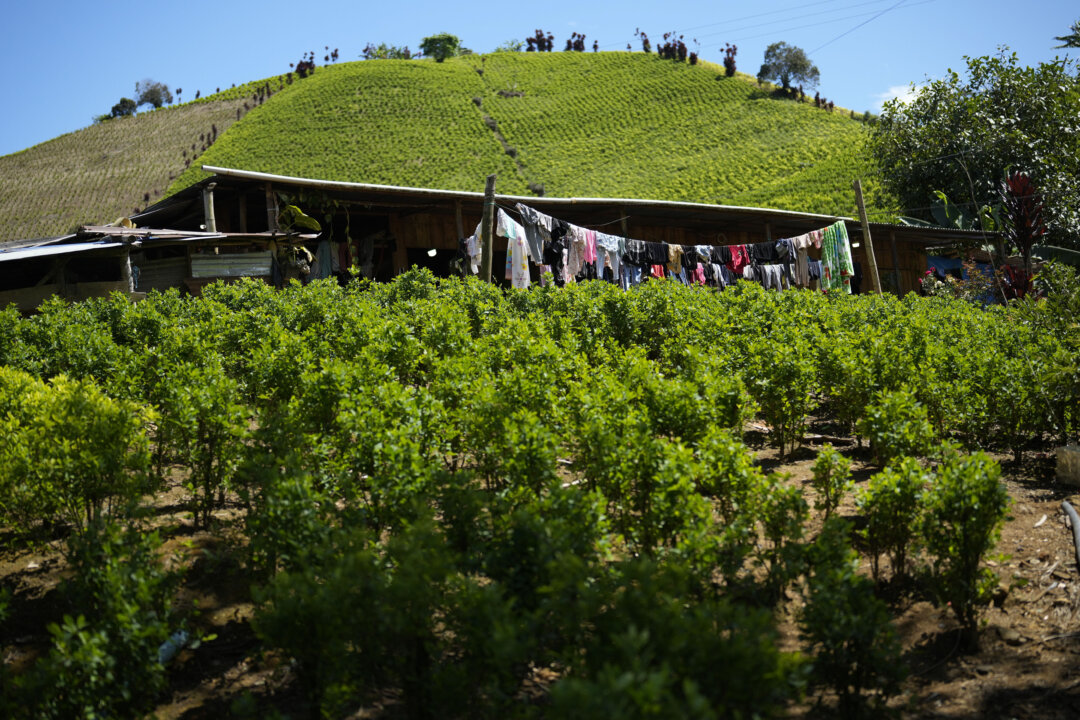
Colombia was added to the non-cooperation list due to a significant increase in cocaine production and coca cultivation, which rose by around 70% since 2022, leading international observers, including the US, to consider its anti-narcotics efforts insufficient.
President Gustavo Petro’s approach focuses on addressing social issues underlying drug trafficking, such as promoting peaceful alternatives to coca cultivation, rather than aggressive prosecution of traffickers, reflecting a shift from the traditional war-on-drugs strategy.
Being included on the list could lead to diplomatic consequences such as the potential withdrawal of US anti-narcotics aid, reduced international support, and challenges in trade and political partnerships.
The left-wing government led by President Gustavo Petro attributes the rise to continued high demand for cocaine in the United States, while critics point to less aggressive eradication and law enforcement efforts.
Following Colombia's decertification as a cooperative ally in the drug war, the United States may withdraw or reduce hundreds of millions of dollars in anti-narcotics aid, impacting Colombia's resources for drug interdiction operations.
