Iran Rejects Direct Nuclear Talks with US, Citing Damaged Trust from US and Israeli Actions
Iran's Supreme Leader Khamenei and President Pezeshkian rejected direct nuclear talks with the United States, criticizing recent US and Israeli attacks for damaging international trust and peace.
 ABC News
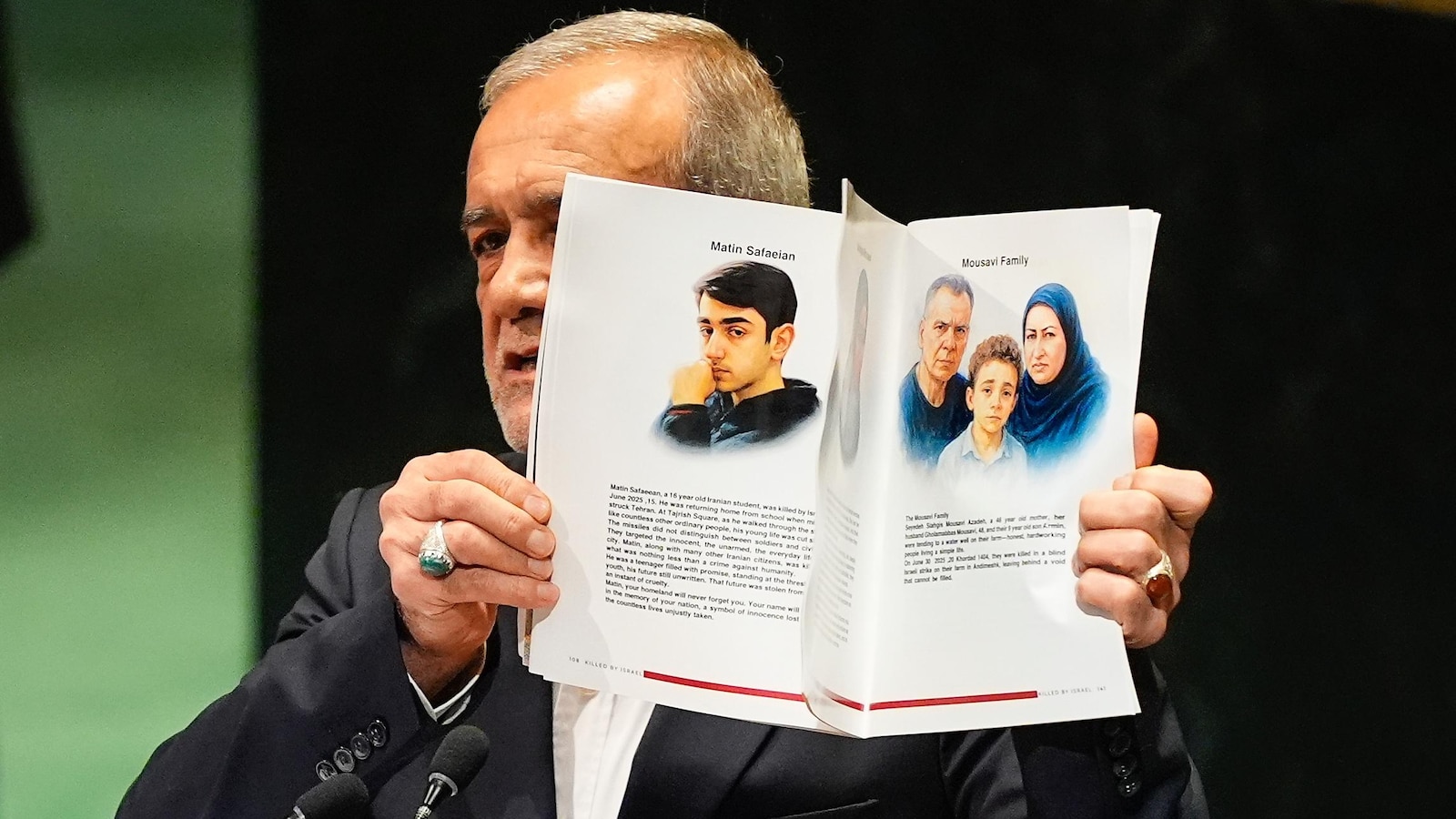
Iran's president says US, Israeli attacks inflicted 'grievous blow' on international trust

 New York Daily News
Iran’s president blasts US, Israeli attacks for dealing ‘grievous blow’ to peace as sanctions loom
 PBS NewsHour
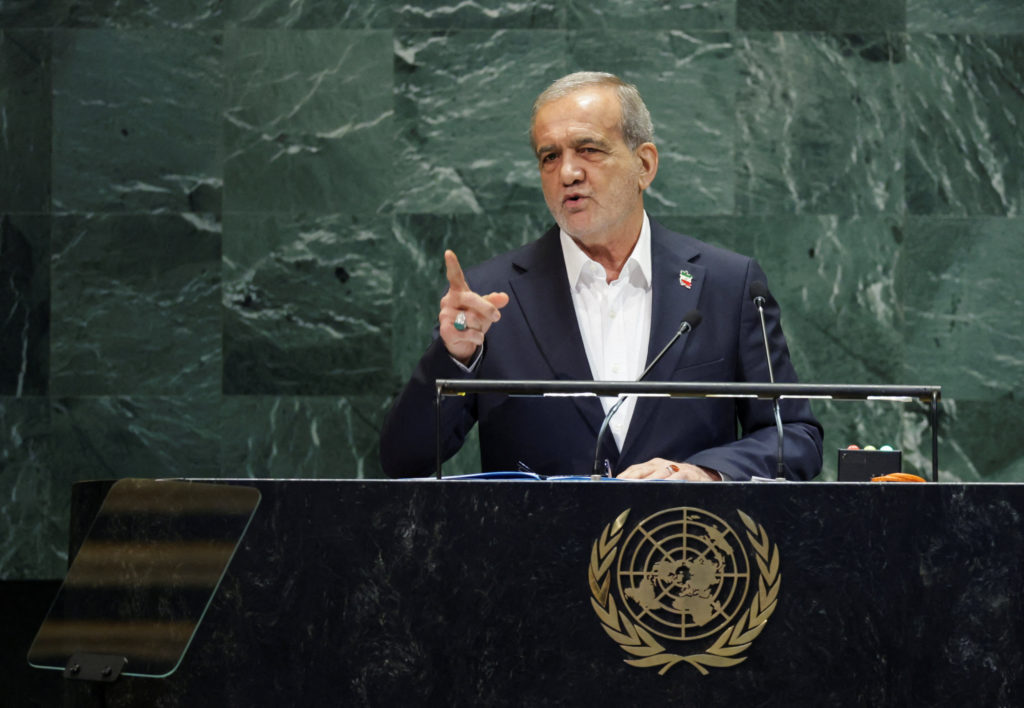
WATCH: Iran's Masoud Pezeshkian blasts U.S. and Israeli attacks in address to U.N. General Assembly
Overview
Supreme Leader Khamenei of Iran rejected direct nuclear talks with the United States, citing recent US and Israeli attacks as damaging international trust and peace.
Iran's President Pezeshkian criticized US and Israeli attacks in his first global forum address, stating they harm international trust and impede peace negotiations.
The Iranian leadership's unified stance underscores a profound distrust, asserting that recent US and Israeli military actions have created an unsuitable environment for diplomatic engagement.
This rejection of direct negotiations occurs amid heightened regional tensions, particularly following the Israel-Iran war, further complicating the already strained international relations.
The Iranian rial reached a new all-time low just before President Pezeshkian's address, indicating economic fragility alongside the significant geopolitical challenges faced by Iran.
Analysis
Center-leaning sources frame this story by emphasizing international pressure on Iran, particularly regarding its nuclear program and looming sanctions. They use language like "crippling U.N. sanctions" and "reeling economy" to highlight the consequences of non-compliance. The coverage consistently contextualizes Iranian leaders' statements within a narrative of international concern and past assessments of Iran's nuclear intentions.
FAQ
Iran's Supreme Leader Khamenei and President Pezeshkian have rejected direct talks due to damaged trust caused by recent US and Israeli military attacks, which they say have harmed international trust and peace, making diplomatic engagement unsuitable.
Recent US and Israeli attacks, including US strikes on Iranian nuclear sites and Israeli attacks damaging Iran's air defenses, have increased regional tensions and reinforced Iran's distrust toward entering direct negotiations.
Previous talks included indirect and direct negotiations mediated by Oman, with moments of progress in 2025, but disagreements remained. These talks aimed for a binding deal limiting Iran's nuclear weapons development while allowing peaceful nuclear energy.
Iran's currency, the rial, recently reached a new all-time low just before President Pezeshkian's address, indicating economic fragility alongside geopolitical challenges.
The rejection of nuclear talks by Iran amid the Israel-Iran conflict and recent military attacks complicates already strained relations, increasing regional tensions and hindering prospects for peace negotiations.