UN Reimposes Sanctions on Iran Amidst Nuclear Concerns and Economic Crisis
The UN reimposed "snapback" sanctions on Iran, freezing assets and halting arms deals, causing severe economic hardship, nuclear program concerns, and increased internal repression.
 The Guardian
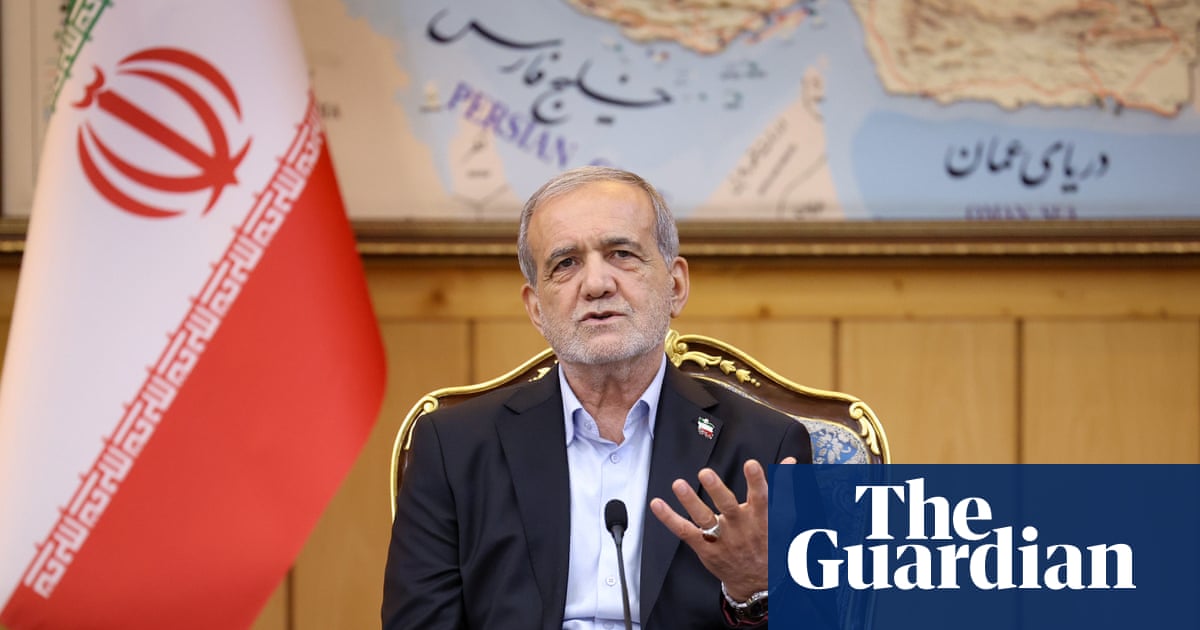
Iran angry as sweeping UN sanctions take effect after failure of nuclear talks

 Al Jazeera
Iranians fear more economic pain, war as UN sanctions snapback
 ABC News
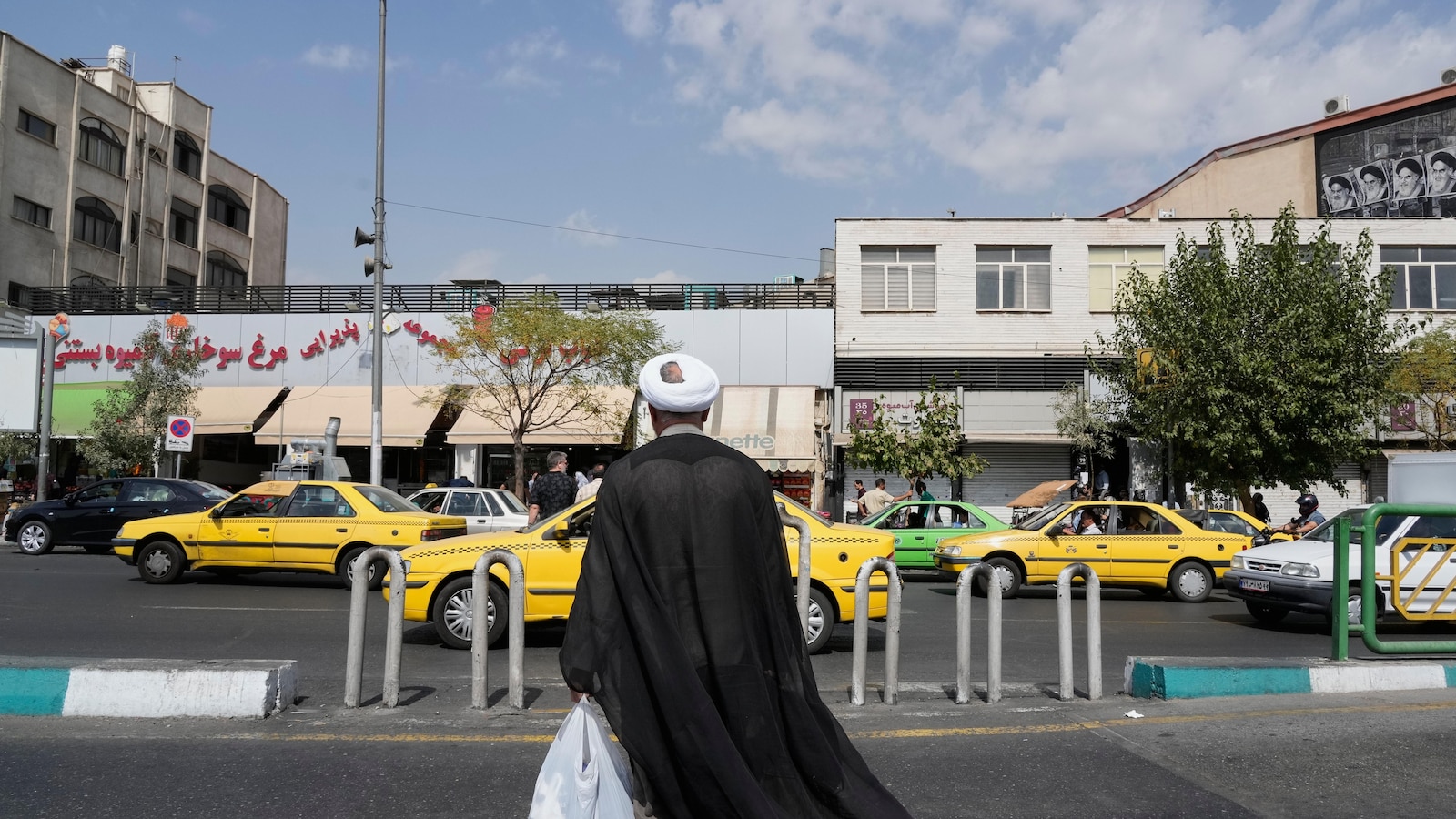
Iran weighs how to respond to reimposed UN sanctions over its nuclear program
 Associated Press
Iran weighs how to respond to reimposed UN sanctions over its nuclear program
Overview
The UN Security Council reimposed "snapback" sanctions on Iran, rejecting resolutions from Russia and China, which freeze Iranian assets, halt arms deals, and penalize ballistic missile development.
European nations triggered these sanctions due to Iran restricting nuclear program monitoring, with Iran's uranium stockpile now enriched up to 60% purity, near weapons-grade levels.
Iran's economy is severely impacted, with the rial at a record low, an annual inflation rate of 34.5%, and food prices rising over 50%, causing widespread economic hardship.
Internally, Iran faces increasing repression, with more executions in the past year than in the previous three decades, raising concerns among human rights activists.
Iran's President Masoud Pezeshkian criticized the sanctions as unfair, while the Foreign Minister downplayed their impact, but the country is deliberating its reaction amidst fears of potential conflict.
Analysis
Center-leaning sources frame this story by foregrounding the severe human cost of UN sanctions on ordinary Iranians, using evocative language to depict widespread suffering and anxiety. They emphasize Iran's nuclear advancements and internal repression, collectively portraying a nation in crisis due to its government's actions and international pressure, while offering limited space to Iran's counter-arguments.
FAQ
The UN reimposed sanctions mainly because Iran restricted monitoring of its nuclear program and increased its uranium stockpile enriched up to 60%, which is near weapons-grade levels, raising concerns about nuclear weapon development.
The sanctions have severely impacted Iran's economy, causing the rial to hit a record low, annual inflation to reach 34.5%, and food prices to rise over 50%, leading to widespread economic hardship.
As of May 2025, Iran's stockpile of uranium enriched to 60% purity has sharply increased, enough to produce multiple nuclear weapons if further enriched; Iran can produce weapon-grade uranium in a matter of days and has facilities capable of producing materials for at least 22 nuclear weapons within five months.
Iran has experienced increased internal repression, including more executions in the past year than in the previous three decades, raising concerns among human rights activists.
Iran's President Masoud Pezeshkian criticized the sanctions as unfair, while the Foreign Minister downplayed their impact, with the government deliberating on how to react, amid fears of potential conflict.