Trump Administration's 'Armed Conflict' with Cartels Leads to 21 Deaths, Sparks Legal Questions
Trump administration's 'armed conflict' with drug cartels results in four lethal strikes near Venezuela, killing 21 suspected narco-terrorists, drawing legal scrutiny from human rights groups and lawmakers.




Overview
The Trump administration has declared an 'armed conflict' with drug cartels, allowing the targeting of members as unlawful combatants in an escalated effort against narco-terrorism.
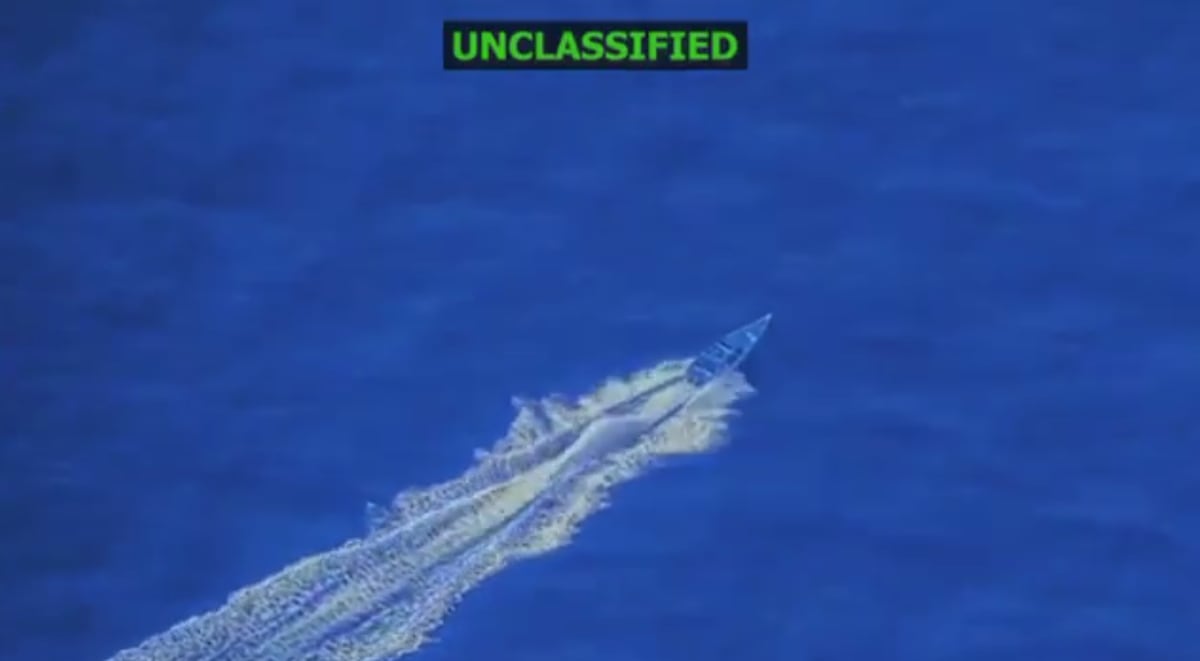
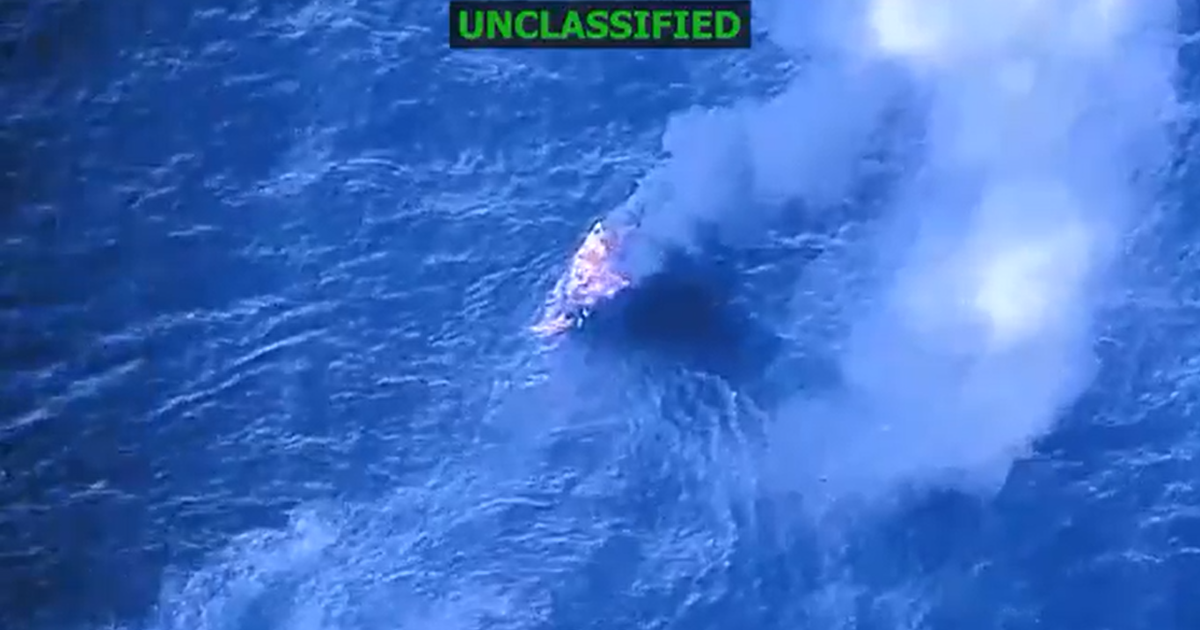
Since September 2, the U.S. has conducted at least four lethal strikes on vessels in international waters near Venezuela, deploying ships and troops to combat drug trafficking.
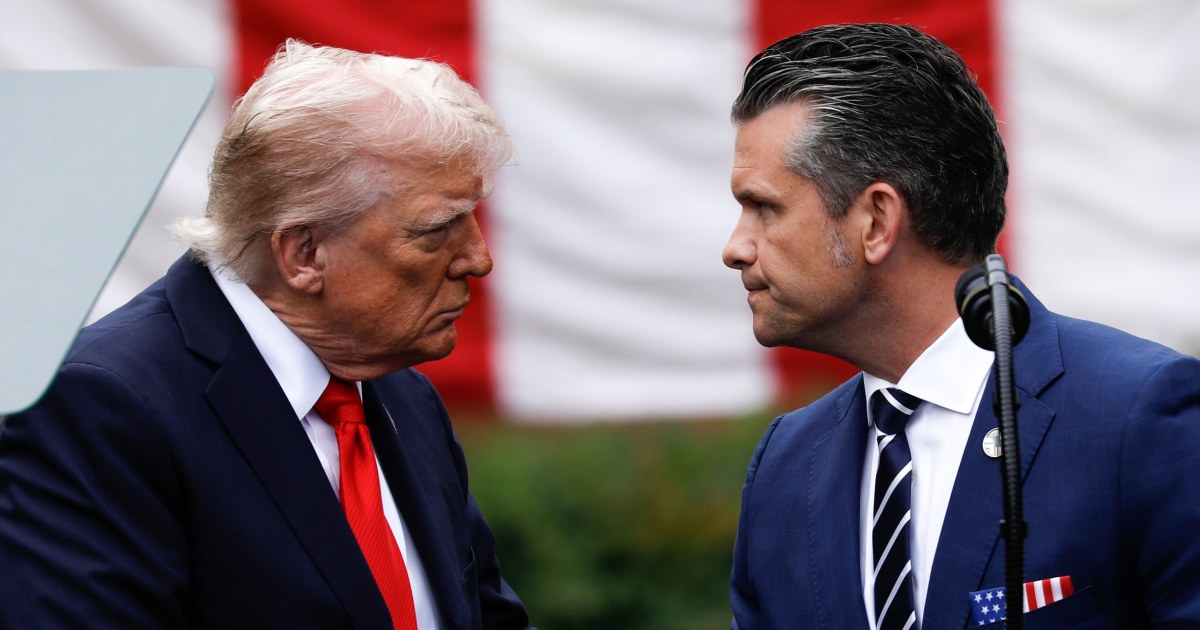
These four strikes, ordered by President Trump and Defense Secretary Pete Hegseth, have resulted in the deaths of 21 suspected narco-terrorists aboard the targeted boats.
One such strike involved the destruction of a boat near Venezuela, killing four suspected drug runners, which Defense Secretary Hegseth confirmed was trafficking narcotics.
Human rights groups, members of Congress, and lawmakers from both parties are questioning the legality and lack of legal rationale for these U.S. strikes against cartels.
Analysis
Center-leaning sources collectively frame this story by consistently questioning the U.S. administration's justifications for military strikes off Venezuela. They emphasize the lack of provided evidence, highlight legal challenges from lawmakers and international lawyers, and present the administration's actions as controversial. This approach casts doubt on the legality and transparency of the operations.
FAQ
The Trump administration declared that the U.S. is in a formal 'armed conflict' with drug cartels, classifying them as 'non-state armed groups' and 'unlawful combatants.' This allows the use of military force against them under the law of armed conflict, permitting lethal strikes, detaining suspects without trial, and military prosecution, which the administration argues makes the strikes lawful rather than murder.
Since September 2, the U.S. has conducted at least four lethal military strikes on vessels in international waters near Venezuela targeting drug trafficking operations, resulting in the deaths of 21 suspected narco-terrorists aboard boats.
Human rights groups, and lawmakers from both parties have questioned the legality and the lack of a clear legal rationale for the U.S. lethal strikes against drug cartels, raising concerns about potential violations of international law and extrajudicial killings.
By declaring an armed conflict with the cartels, the Executive claims extraordinary powers typical of wartime, including using military force against cartel members deemed unlawful combatants, detaining suspects indefinitely without trial, and prosecuting them in military courts, expanding its foreign relations and national security authorities.

