Gaza Ceasefire Holds Amidst Hostage Uncertainties and Rebuilding Challenges
A fragile Israel-Hamas ceasefire holds, facilitating hostage exchanges, yet uncertainties persist over missing and deceased captives, with Gaza's reconstruction estimated at $70 billion.

 NPR
NPRQuestions remain about deceased Israeli hostages in Gaza

 New York Daily News
Missing bodies of hostages top the list of uncertainties as fragile Gaza ceasefire holds
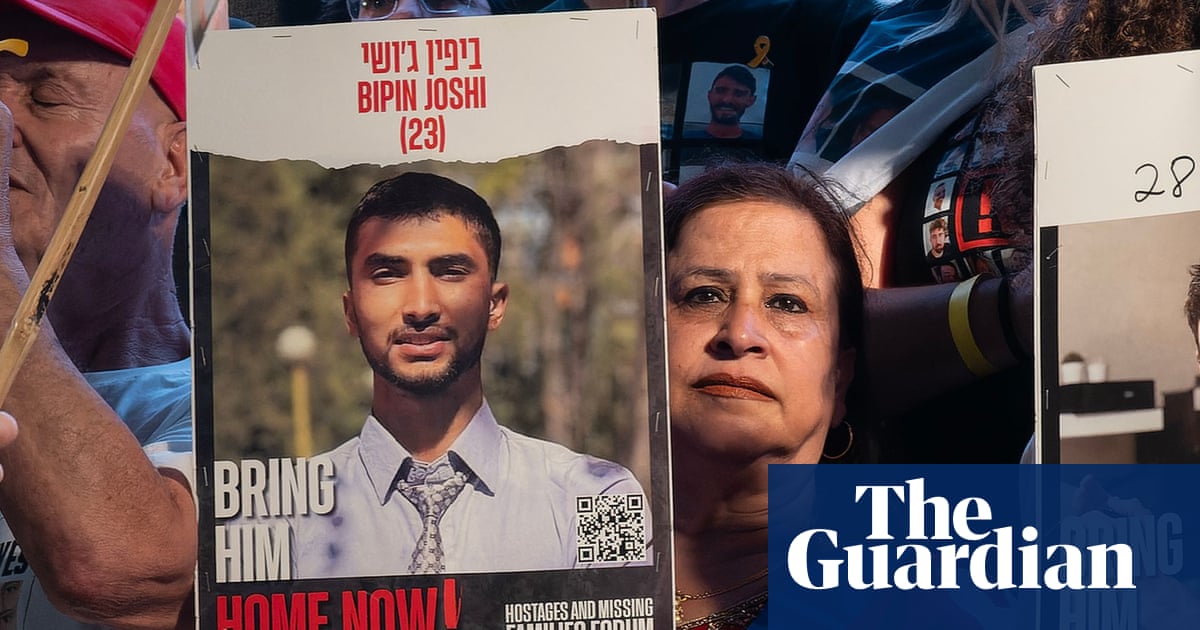
 The Guardian
Israel reportedly gives Hamas Tuesday deadline for progress on return of hostage bodies

 NBC News
Missing bodies of hostages top the list of uncertainties as fragile Gaza ceasefire holds
Overview
A fragile Israel-Hamas ceasefire holds, facilitating the exchange of twenty living Israeli hostages for hundreds of Palestinian prisoners, with uncertainties over missing and deceased captives.
Israeli military identified deceased hostages Guy Illouz and Bipin Joshi; Illouz died from captivity wounds, Joshi was murdered early in the war, raising questions about body returns.
Released Israeli hostages are receiving medical care, and freed Palestinians' health is monitored, reflecting ongoing humanitarian concerns following the exchange.
The United Nations estimates $70 billion is needed to rebuild Gaza, where tens of thousands of residents returned to find widespread destruction of their homes.
The ICRC facilitated living hostage transfers from Gaza to Israel. Questions persist regarding deceased hostages' return, with few bodies released under the ceasefire agreement.
Analysis
Center-leaning sources frame this story by prioritizing the Israeli perspective, particularly the emotional impact of the hostage crisis. They emphasize the return of living hostages and the tragic details surrounding the deceased, as reported by Israel. While acknowledging Palestinian prisoner releases, the coverage offers minimal detail on their experiences, creating an imbalance that centers the Israeli narrative of the ceasefire's immediate aftermath.
FAQ
The negotiations involved a serial initiative in three stages, including a six-week ceasefire, the release of hostages, and a commitment to end the war and begin a reconstruction process. The proposal was supported by mediators from the U.S., Egypt, and Qatar, and later approved by the United Nations Security Council. However, the ceasefire was broken by Israel on March 18, 2025.
As part of the ceasefire agreement, Israel released around 2,000 Palestinian prisoners in exchange for the remaining living Israeli hostages held by Hamas.
The reconstruction of Gaza is estimated to cost $70 billion, with significant challenges remaining due to widespread destruction. While some residents have returned, many face destroyed homes and ongoing humanitarian concerns.