Trump Considers Venezuela Land Strikes and Covert Ops Amid Escalating Drug War
President Trump is contemplating land strikes and authorized covert CIA operations in Venezuela to combat drug cartels, following fatal sea strikes and amidst lawmaker concerns over legality.

 TIME Magazine
Trump Suggests Military Strikes in Venezuela May Come Soon

 USA TODAY
Trump says he's considering strikes on land to combat Venezuelan drug cartels
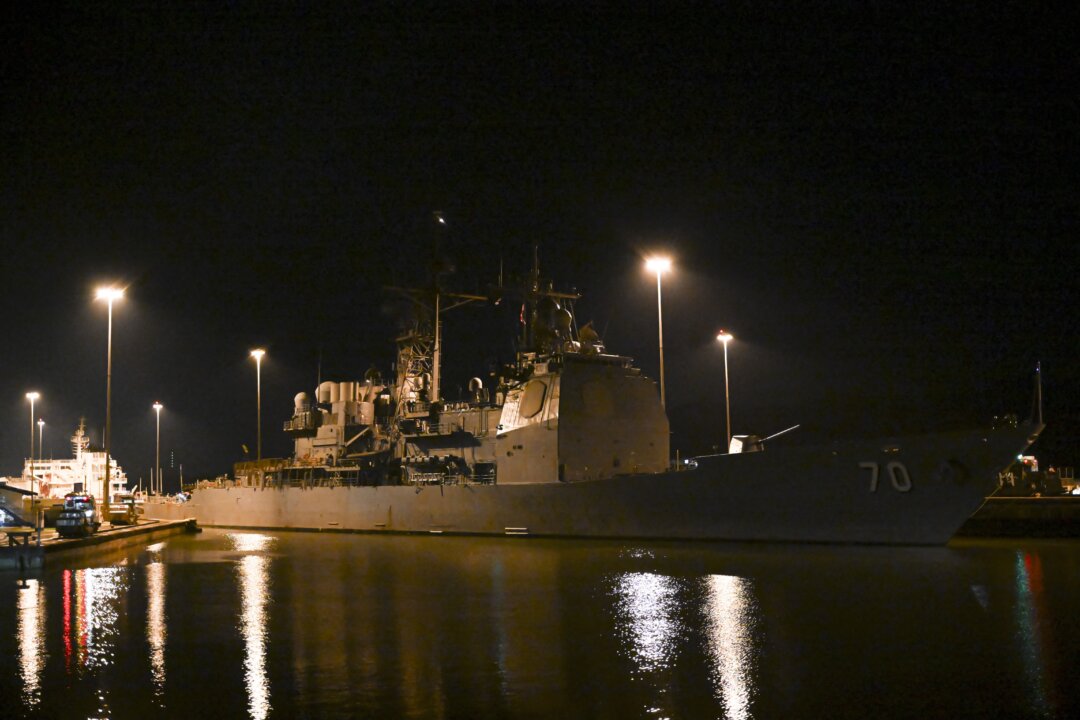
 Epoch Times
Trump Says He’s Looking at Land Strikes Targeting Venezuela Drug Cartels
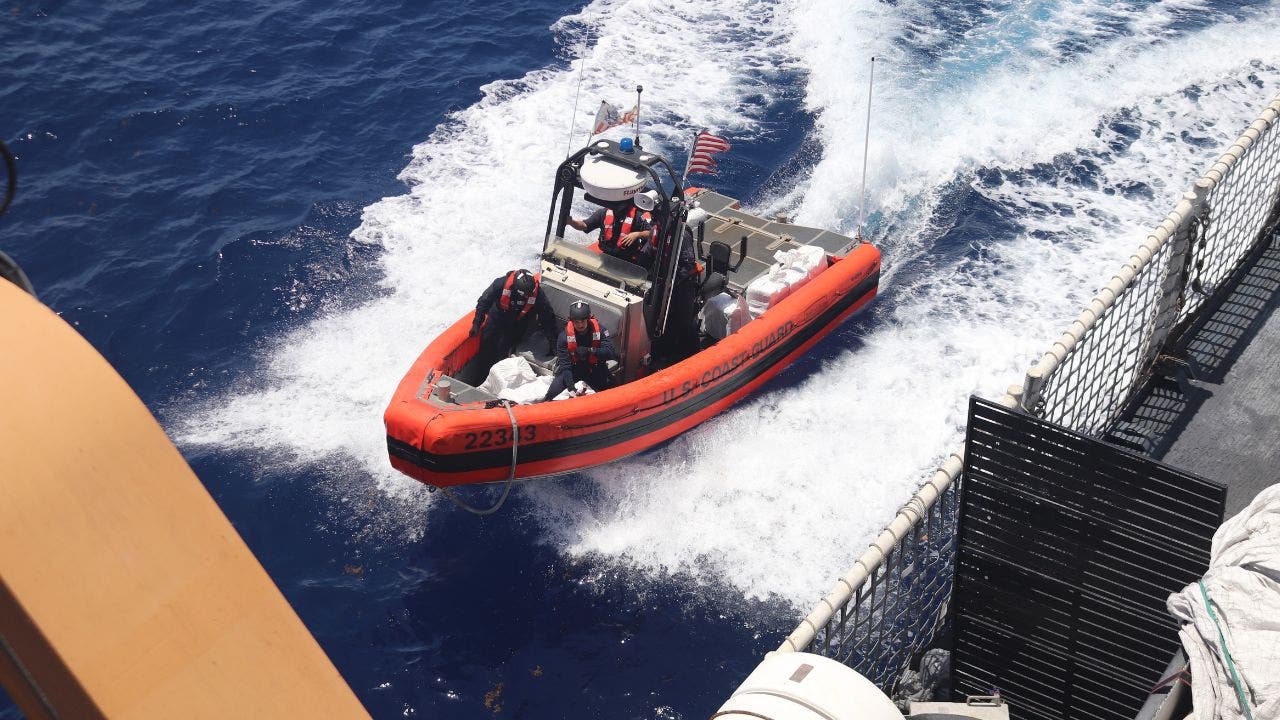
 FOX News
Trump next eyes 'land' in drug war, warns cartel boats are ‘not faster than missiles’
Overview
The U.S. has increased its military presence in the Caribbean, conducting fatal strikes against alleged drug boats off Venezuela's coast, resulting in at least 27 deaths of suspected narcoterrorists.
President Trump's administration justifies these actions by declaring an armed conflict with drug cartels, accusing Mr. Maduro of drug trafficking, and classifying these groups as terrorists.
President Trump is now contemplating land strikes within Venezuela to directly target drug cartels, acknowledging the ongoing issue of drug trafficking from the region via sea.
Multiple sources report that President Trump has also authorized the CIA to conduct covert operations in Venezuela, further expanding the scope of U.S. intervention against drug smuggling.
Lawmakers from both parties have expressed significant concerns regarding the legality and authority of President Trump's ordered strikes, questioning the evidence and justification for these military actions.
Analysis
Center-leaning sources cover the story neutrally, presenting President Trump's statements regarding military strikes against Venezuelan drug cartels alongside immediate congressional skepticism and legal questions. They avoid loaded language or selective emphasis, ensuring a balanced portrayal of the administration's claims and the criticisms from both Democrats and Republicans.
FAQ
President Trump has notified Congress that the U.S. is in a non-international armed conflict with drug cartels, which is used to justify current military actions, including missile strikes on suspected Venezuelan drug boats[1]. Lawmakers from both parties have questioned the legality of these strikes, as well as the sufficiency of evidence behind claims that the targeted boats were used for drug trafficking. Legal experts are also debating whether the administration's approach complies with both U.S. and international law regarding the use of force and extrajudicial killings.
The U.S. has deployed three Aegis guided-missile destroyers and approximately 4,000 military personnel to the waters off Venezuela, with additional F-35 fighter jets sent to Puerto Rico as tensions rise[4][7]. Despite this buildup, current assets are considered insufficient for a full-scale invasion, and experts note that escalating operations—including possible land strikes or covert CIA activities—could provoke a direct military response from Venezuela and further destabilize the region.
The Venezuelan government, led by President Nicolás Maduro, has denounced U.S. strikes as extrajudicial killings and warned that further attacks could trigger armed resistance from the Venezuelan people. Venezuelan aircraft have conducted provocative flyovers near U.S. ships, and Maduro has called for an emergency U.N. meeting, alleging that an
The Trump administration has accused Venezuelan boats of being operated by the Tren de Aragua gang and transporting narcotics, but has not publicly provided concrete evidence of drugs or weapons aboard the vessels struck. The absence of such evidence has fueled domestic and international criticism and legal scrutiny regarding the justification for lethal force[2].
President Trump has repeatedly denied that the U.S. is seeking regime change in Venezuela, despite the Maduro government’s accusations and the substantial military buildup in the region[9]. However, some reports suggest that the broader strategy may weaken Maduro indirectly, and Trump’s ambiguous responses to questions about his intentions—such as saying, 'We’ll see what happens' when asked about removing Maduro—have contributed to ongoing speculation about U.S. objectives[9].