Trump Administration Pressures UN to Withdraw Global Carbon Tax Proposal
The Trump administration's intervention has led to the postponement of a global carbon tax proposal, igniting debate over its economic implications and climate goals.

 Daily Caller
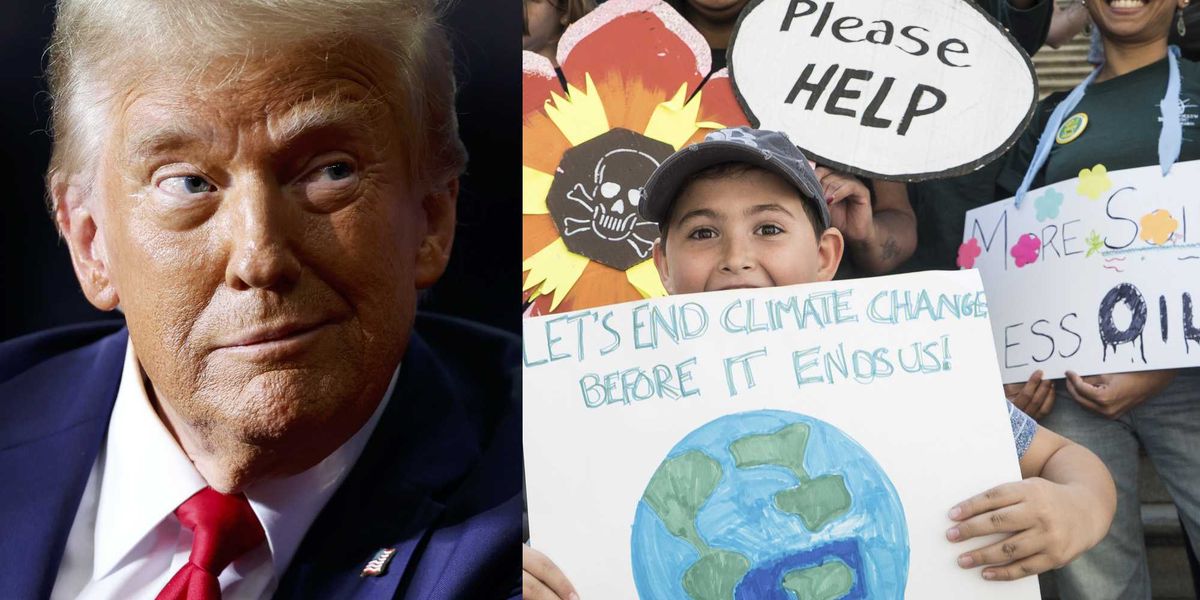
Trump Admin Blows Up UN 'Global Green New Scam' Tax Plan
 The Blaze
Trump shuts down UN-backed effort to impose global climate change tax, calling it a 'scam'
 FOX News
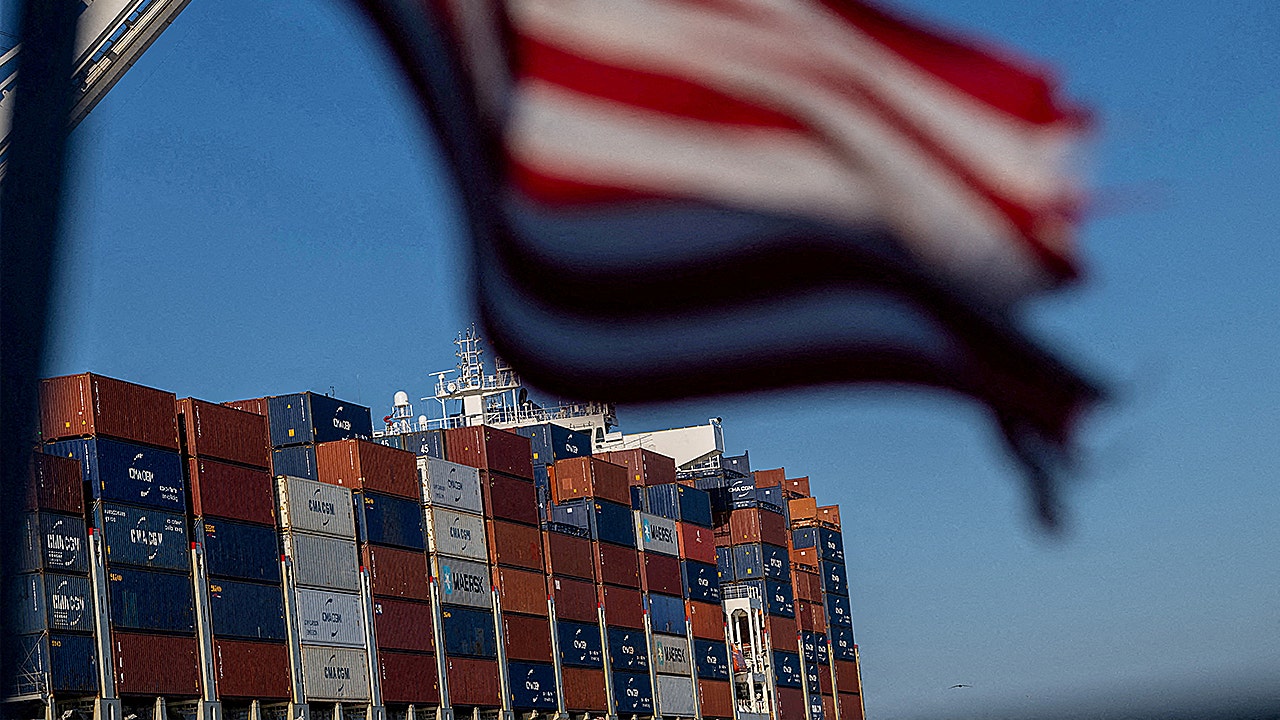
UN postpones vote on global carbon tax after Trump-led pushback

 Western Journal
UN Agency's Attempt to Tax American Citizens Dead (for Now) as Trump Scores 'Huge Win'
Overview
The Trump administration labeled the proposed global carbon tax a 'scam' and pressured the UN to withdraw it.
Due to U.S. pushback, the International Maritime Organization and UN have postponed decisions on carbon tax frameworks for a year.
Critics of the carbon tax argue it represents economic sabotage and taxation without representation.
Proponents claim the tax aims to reduce reliance on carbon industries and fund climate change initiatives.
Shipping emissions, currently at 3% of global totals, could rise to 10% by mid-century without intervention.
Analysis
Analysis unavailable for this viewpoint.
FAQ
The Trump administration opposed the global carbon tax proposal because it viewed the tax as a 'scam' that would increase costs for American citizens and companies, and it saw the proposal as an unfair international environmental agreement that could burden the United States economically.
The International Maritime Organization voted to postpone the decision on adopting a global carbon price for shipping by one year following pressure and opposition primarily from the United States and Saudi Arabia.
Proponents argue that the global carbon tax would help reduce reliance on carbon-intensive industries and generate billions of dollars annually to fund climate change initiatives, thus accelerating decarbonization of the shipping sector which contributes nearly 3% of global emissions.
Shipping emissions currently represent about 3% of global greenhouse gas emissions, but they could increase to 10% by mid-century without effective interventions such as a carbon tax.
While 63 nations including the European Union, China, Japan, Brazil, and India initially supported the NZF carbon tax proposal, 16 countries including Saudi Arabia, Russia, and others opposed it; the U.S. also strongly opposed the measure and pressured others to reject it.