Typhoon Fung-wong Devastates Philippines, Prompts Evacuations in Taiwan, and Emergency Response in China
Typhoon Fung-wong caused extensive damage in the Philippines, destroying over 4,100 homes and displacing 1.4 million. Taiwan evacuated thousands and China activated emergency responses.
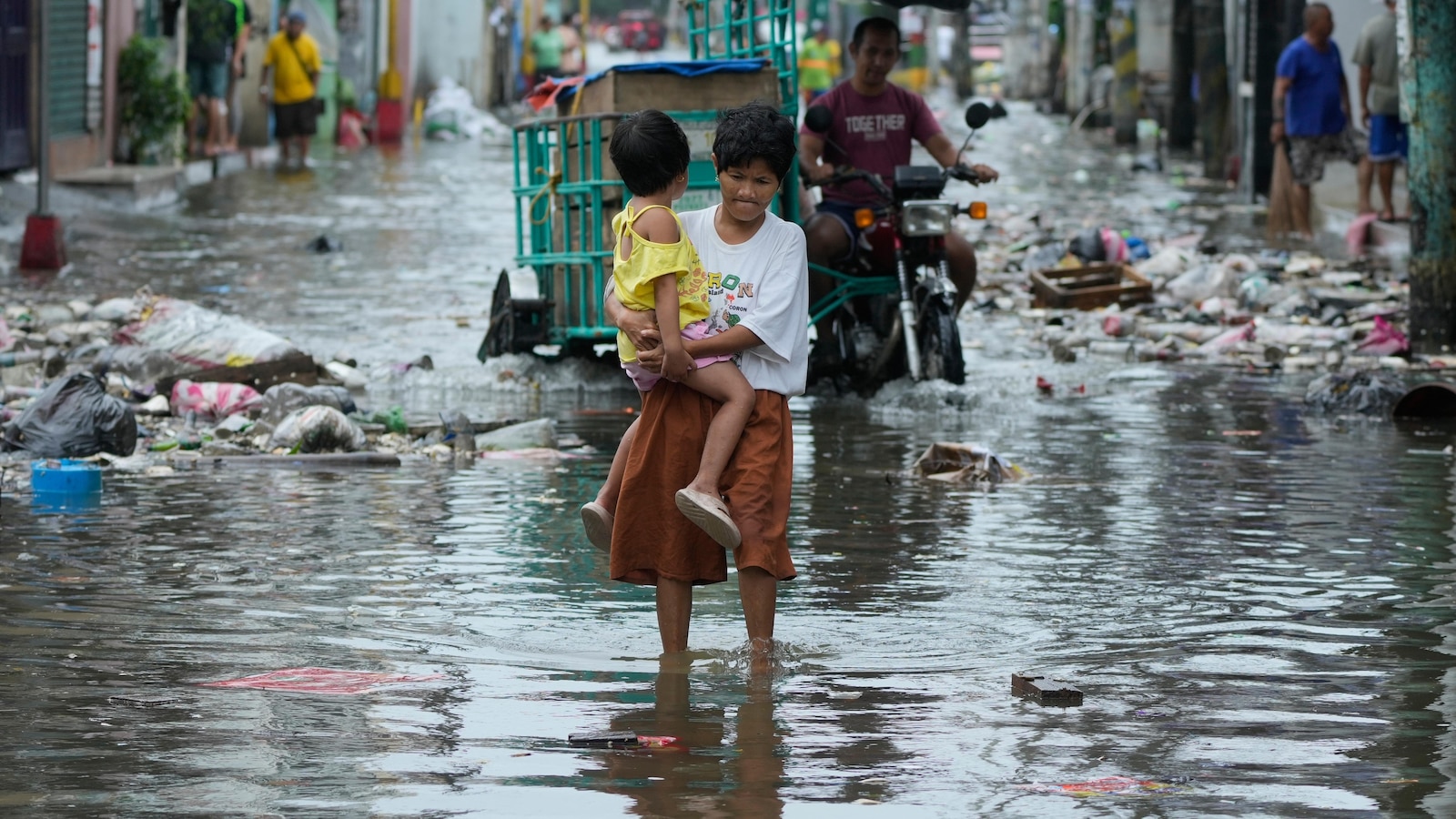
 ABC News
Taiwan evacuates thousands ahead of tropical storm after deaths in the Philippines
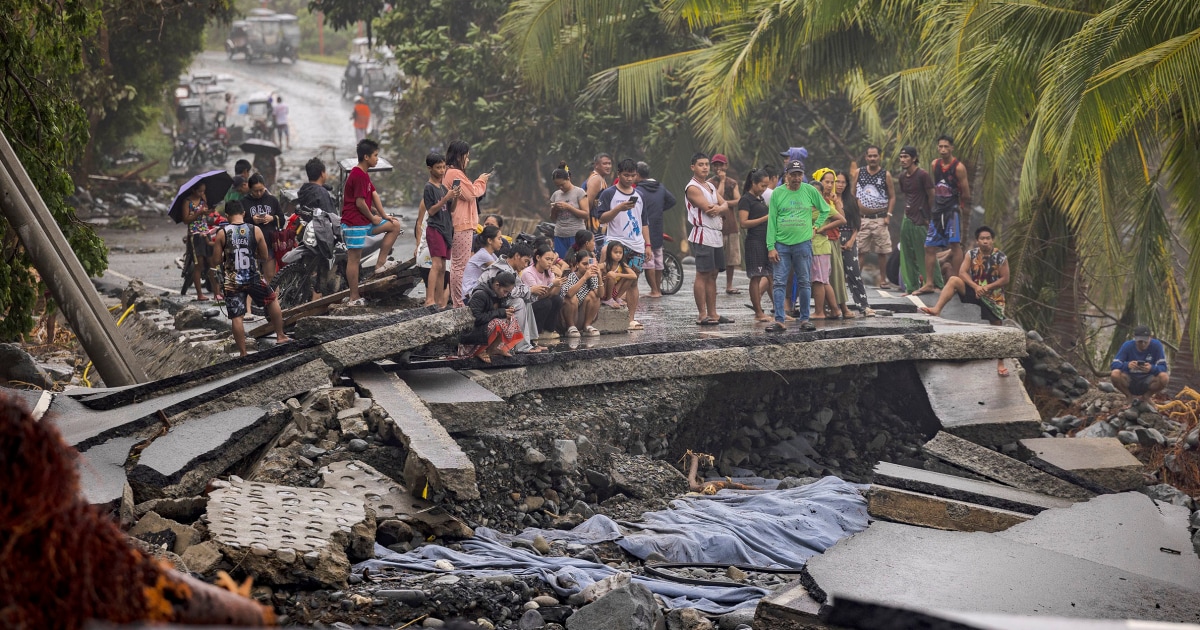
 NBC News
Storm approaches Taiwan after causing 18 deaths and destruction in the Philippines
 Associated Press
Taiwan evacuates thousands ahead of tropical storm Fung-wong after deaths in the Philippines

 Al Jazeera
Typhoon Fung-wong leaves Philippines with 10 dead, 1.4 million displaced
Overview
Super Typhoon Fung-wong, the 21st typhoon in the Philippines for 2025, brought over 200mm of rain, causing widespread flooding in 132 northern villages and trapping residents on roofs.
The typhoon caused casualties and displaced 1.4 million people, with over 4,100 houses damaged across the Philippines due to its intense winds and rapid floodwaters.
Philippine President Ferdinand Marcos Jr. declared a state of emergency nationwide, responding to Fung-wong's extensive devastation and anticipating further impact from another approaching storm.
Taiwan evacuated over 3,000 people, closing schools and offices in Hualien and Yilan counties on Tuesday, as tropical storm Fung-wong approached after causing deaths in the Philippines.
China activated an emergency typhoon response for its southeastern provinces, including Fujian, Guangdong, Zhejiang, and Hainan, preparing for Fung-wong's potential impact after its regional devastation.
Analysis
Center-leaning sources cover the story neutrally, focusing on factual reporting of the typhoon's immediate impact and humanitarian consequences. They prioritize clear, descriptive language to convey the scale of the disaster, including casualties, evacuations, and damage. The reporting avoids loaded terms or selective emphasis, presenting information straightforwardly.
FAQ
Typhoon Fung-wong caused widespread flooding, destroyed over 4,100 homes, displaced around 1.4 million people, resulted in at least eight deaths, disrupted power and water supply in several municipalities, and damaged infrastructure including schools, police facilities, roads, and bridges across multiple regions of the Philippines.
The Philippine President declared a nationwide state of emergency, suspended classes and government work in affected regions, deployed over 894 search and rescue teams with more on standby, provided financial assistance to affected families, and preemptively evacuated more than 1.3 million people to reduce casualties.
Taiwan evacuated over 3,000 people, closed schools and offices in Hualien and Yilan counties, and prepared for the storm's approach. China activated emergency typhoon response protocols in its southeastern provinces including Fujian, Guangdong, Zhejiang, and Hainan to prepare for potential impacts from Fung-wong.
Typhoon Kalmaegi caused higher casualties with at least 224 deaths, widespread flooding, landslides, and over 2.4 million people affected, whereas Fung-wong caused fewer deaths but significant damage and displacement of 1.4 million people. Both typhoons severely stressed the disaster response system in the Philippines.
Typhoon Fung-wong made landfall in northeastern Aurora province as a super typhoon with sustained winds up to 185 kph (115 mph) and gusts up to 230 kph (143 mph), accompanied by over 200mm of rain, leading to severe flooding and wind damage.