Iran's Uranium Enrichment Status Under Scrutiny Amid Conflicting Reports
Iran's foreign minister claims the nation ceased uranium enrichment at all sites, a statement met with conflicting reports and ongoing IAEA monitoring.
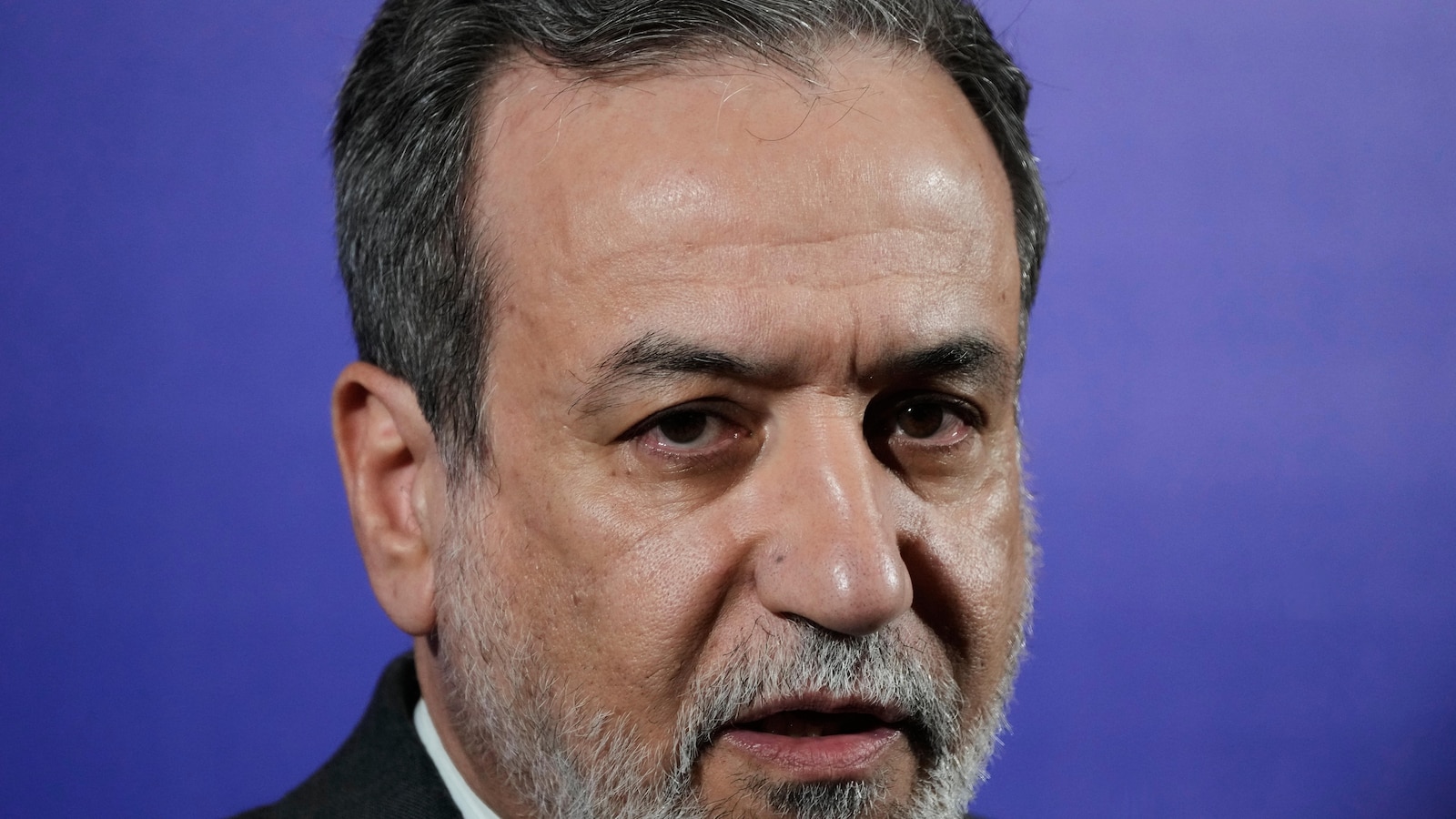


Overview
Iran's foreign minister asserts the nation has ceased uranium enrichment at all sites, a claim supported by multiple sources and monitored by the International Atomic Energy Agency.
Despite official statements, conflicting reports persist regarding whether Iran is currently enriching uranium, raising questions about the nation's nuclear activities.
Iran maintains its undeniable right to uranium enrichment and seeks international recognition for this right, amidst ongoing geopolitical tensions.
A recent 12-day war in June saw Israel decimate Iran's air defense systems, potentially leaving the nation vulnerable to further airstrikes.
Iran's Shiite theocracy faces internal challenges from economic pressures and societal change, adding complexity to its international nuclear posture.
Analysis
Center-leaning sources cover this story neutrally by presenting Iran's foreign minister's statements directly and providing factual context without editorializing. They detail the geopolitical backdrop, including past attacks and ongoing tensions, alongside Iran's internal challenges. The reporting attributes all strong opinions to specific sources, maintaining an objective distance from the narrative.
FAQ
Iran's Foreign Minister Abbas Araghchi stated that uranium enrichment has stopped completely following Israeli and US strikes that damaged nuclear facilities, and claimed all facilities are under the IAEA's safeguards and monitoring; however, the IAEA reports that Iran continues to deny inspectors access to some bombed sites and that enriched uranium inventory accounting is 'long overdue,' raising questions over full verification.
The IAEA confirms Iran possesses over 400 kg of uranium enriched to 60% purity and states that Iran has not fully cooperated, denying inspectors access to some nuclear sites, especially those targeted in June strikes, making it challenging to verify Iran's enrichment activities and raising serious concerns about oversight and verification.
Israeli and US strikes in June damaged Iran's nuclear sites, destroying essential infrastructure such as transformers and power generators; satellite imagery shows debris and damage blocking access to some buildings. These strikes have effectively halted uranium enrichment and processing at critical sites like Natanz and Isfahan, although Iran may be pursuing clandestine enrichment at other locations.
Iran maintains its undeniable right to enrich uranium domestically and seeks international recognition for this right. Iranian officials have indicated retaining uranium enrichment is a red line and have proposed regional consortium ideas for oversight, but they reject abandoning enrichment activities despite international pressure and sanctions.
Iran's Shiite theocracy faces internal challenges including economic pressures and societal changes, while recent military setbacks like the June war—which saw Israel decimate Iran's air defenses—leave the country vulnerable to further strikes. These political and security complexities add layers of difficulty to Iran's international nuclear posture and negotiations.

