UN Security Council Approves Trump's Gaza Ceasefire Plan Amidst Mixed Reactions from Hamas and Israel
UN Security Council approved Trump's Gaza ceasefire plan 13-0. Hamas rejected it, citing loss of agency, while Israeli PM Netanyahu welcomed it but opposed self-determination.

 NBC News
Trump's Gaza plan wins global backing. Now comes the hard part.
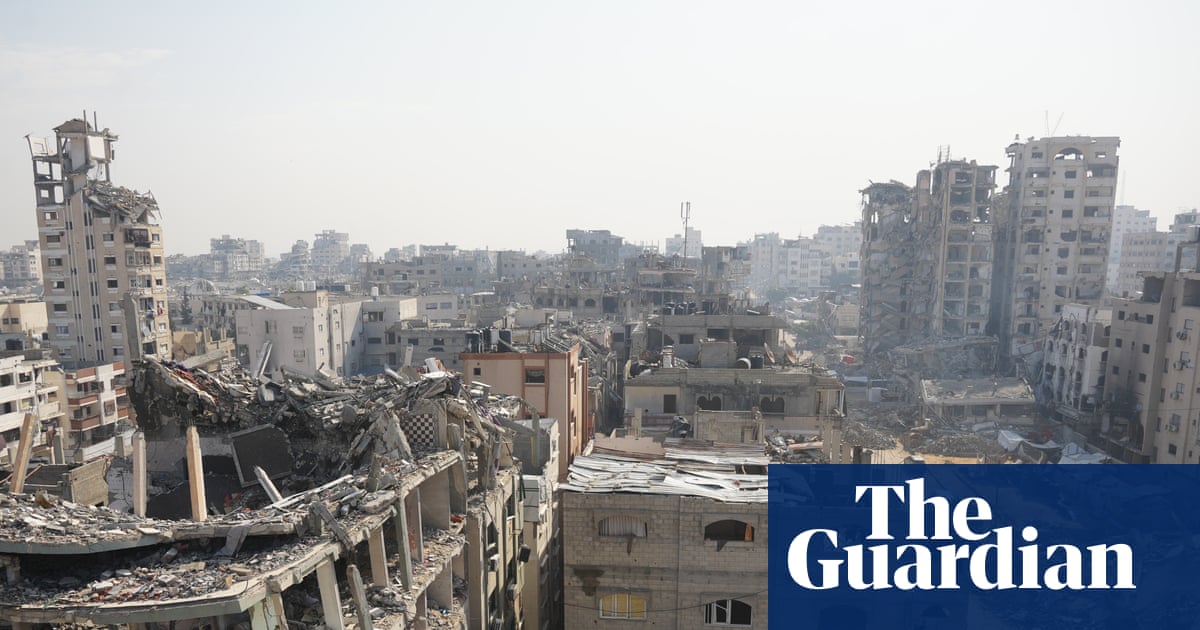
 The Guardian
UN plan just ‘first step’ toward peace in Gaza, says Palestinian foreign minister

 Al Jazeera
What is the international stabilisation force for Gaza?
 Al Jazeera
UN Security Council approves US resolution backing Trump’s Gaza plan
Overview
The UN Security Council approved President Trump's 20-point Gaza ceasefire plan with a 13-0 vote, with Russia and China abstaining, providing critical international support.
Hamas rejected the UN resolution for Gaza, citing concerns over the loss of Palestinian agency and a refusal to cooperate with international guardianship.
Israeli Prime Minister Benjamin Netanyahu welcomed the UN resolution's passage but rejected its call for Palestinian self-determination, facing hostile reactions within Israel.
The plan establishes a 'board of peace,' chaired by President Trump, with extensive powers to oversee Gaza's governance, reconstruction, and faction disarmament.
An International Stabilization Force is authorized to use all necessary measures to ensure regional security and stability, with the initiative set to expire at the end of 2027.
Analysis
Center-leaning sources cover the UN Security Council's approval of the US Gaza plan with a neutral and balanced approach. They report the diplomatic achievement while simultaneously detailing the significant challenges and criticisms from various parties, including Hamas and Israeli Prime Minister Netanyahu. The coverage emphasizes the complexity and uncertainty of the plan's implementation.
FAQ
The plan establishes a 'board of peace' chaired by President Trump with extensive powers over Gaza's governance, reconstruction, and faction disarmament. It authorizes an International Stabilization Force to use all necessary measures to ensure regional security and stability, with the initiative set to expire at the end of 2027.
Hamas rejected the resolution because they were concerned about the loss of Palestinian agency and did not consent to international guardianship over Gaza. They also refused to cooperate with the proposed governance arrangements.
Israeli Prime Minister Benjamin Netanyahu welcomed the passage of the UN resolution but rejected its call for Palestinian self-determination, which resulted in hostile reactions within Israel.
Russia and China abstained from the UN Security Council vote on the ceasefire plan, neither supporting nor opposing the resolution officially.
President Trump gave Hamas a deadline to accept the peace proposal by October 5, 2025, warning that failure to accept would result in facing "all hell" and threatened that Hamas would face "complete obliteration" if they insisted on retaining power in Gaza.