EU Unveils Major Defense Package to Boost Military Mobility Against Potential Russian Threats
The EU launched a 17.65 billion euro defense package to streamline rapid deployment of tanks and troops across its borders, preparing for potential Russian conflicts.
 The Guardian
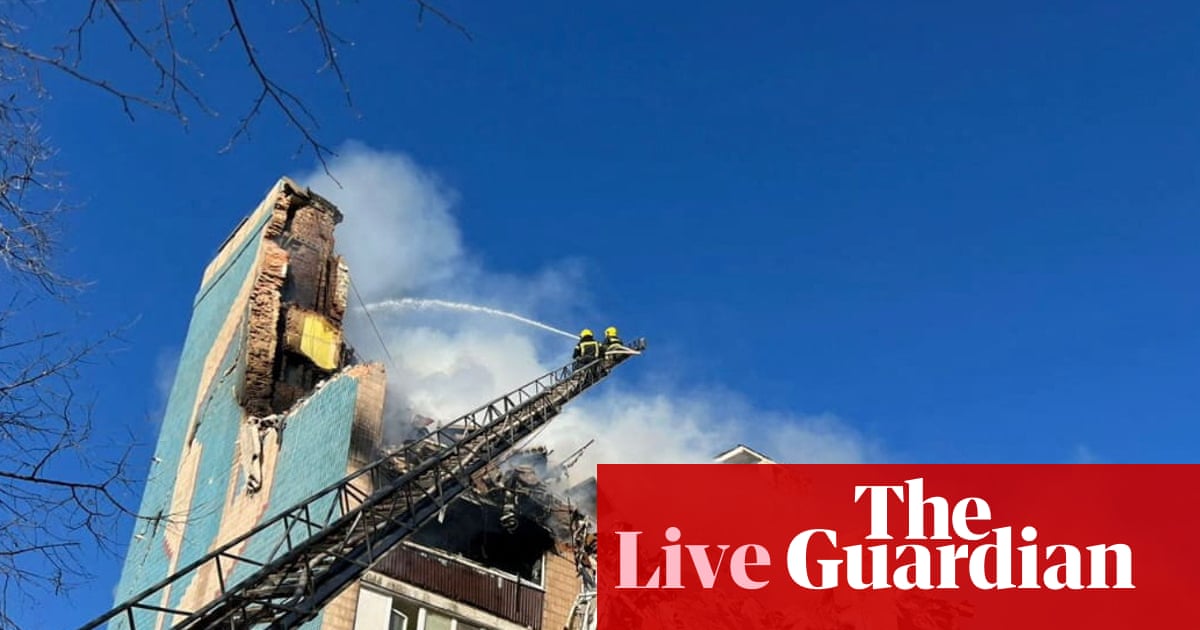
Death toll from Russian attack rises to 25 as Ukraine says it will raise issue at UN – Europe live
 The Guardian
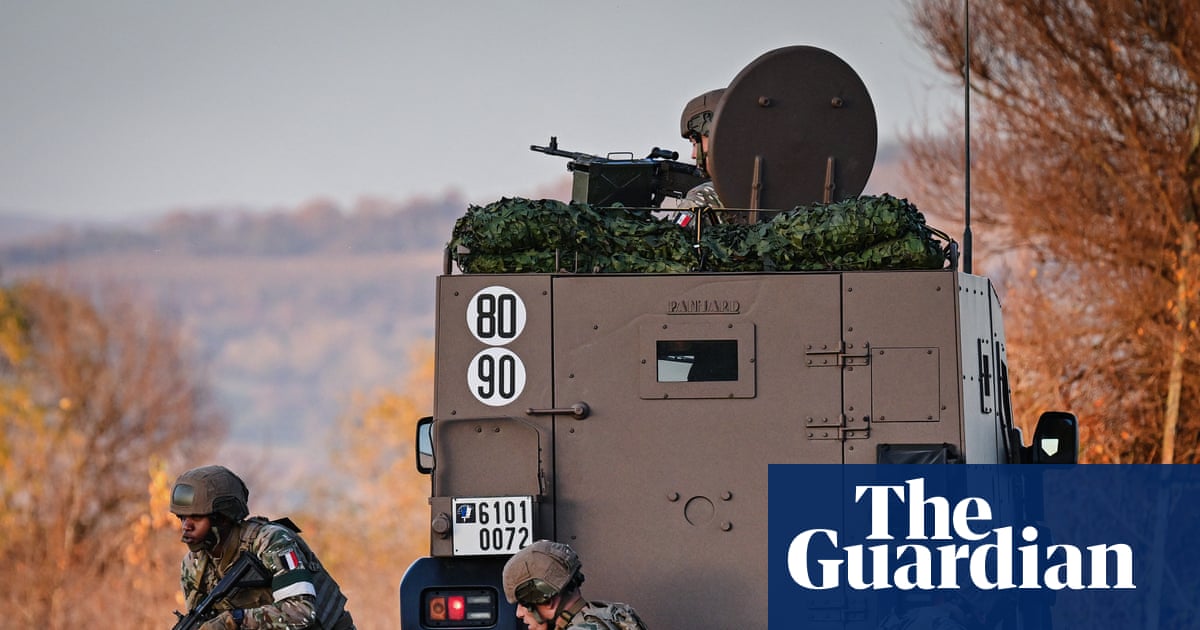
Plan to speed tanks and armies across Europe in case of war with Russia
 Associated Press
With an eye on Russia, EU wants to make it easier to deploy tanks and troops at short notice
Overview
The European Union has launched a new defense package to significantly enhance the rapid deployment of tanks and troops across its member states' borders.
This initiative directly responds to potential threats from Russia, intensified by the ongoing war in Ukraine and intelligence warnings of future aggression.
The EU plans to invest 17.65 billion euro into 500 critical infrastructure locations to facilitate quicker military movements and reduce bureaucratic delays.
Emergency protocols will grant armed forces priority access to infrastructure, aiming to create a "military Schengen" zone for seamless army transit.
This strategic shift, influenced by geopolitical changes and increased defense spending, aims to ensure Europe's defense preparedness by 2030.
Analysis
Center-leaning sources frame this story by emphasizing the urgent and growing threat of Russian aggression, portraying the EU's defense package as a necessary and proactive response. They highlight Europe's increased self-reliance amid shifting U.S. priorities, using language that conveys a sense of heightened geopolitical tension and the critical need for military readiness.
FAQ
The 'military Schengen' initiative aims to create a seamless zone for the rapid movement of troops and military equipment across EU borders by harmonizing rules and reducing bureaucratic delays, ensuring faster deployment in response to security threats.
The EU has allocated 17.65 billion euros for the defense mobility package, which will be invested in 500 critical infrastructure locations to facilitate quicker military movements and reduce delays.
The main goals include closing capability gaps, accelerating defense investments, simplifying procurement, boosting joint procurement, and ensuring Europe can respond rapidly to security threats, with full defense readiness targeted by 2030.
The EU plans to simplify defense procurement rules, extend framework agreements from seven to ten years, reduce reporting requirements, and encourage member states to remove additional national requirements that complicate contract awards.
The EU's defense strategy includes strengthening military support for Ukraine, such as providing large-caliber artillery ammunition, deploying air defense systems, enhancing drone capabilities, and continuing military training.