Iran Halts Cooperation with UN Nuclear Watchdog Amid Enrichment Concerns
Iran has suspended all cooperation with the International Atomic Energy Agency (IAEA) after rejecting a UN resolution, citing concerns over its uranium enrichment verification.



Overview
The International Atomic Energy Agency (IAEA) expressed significant concern over Iran's lack of cooperation in verifying its uranium enrichment activities.
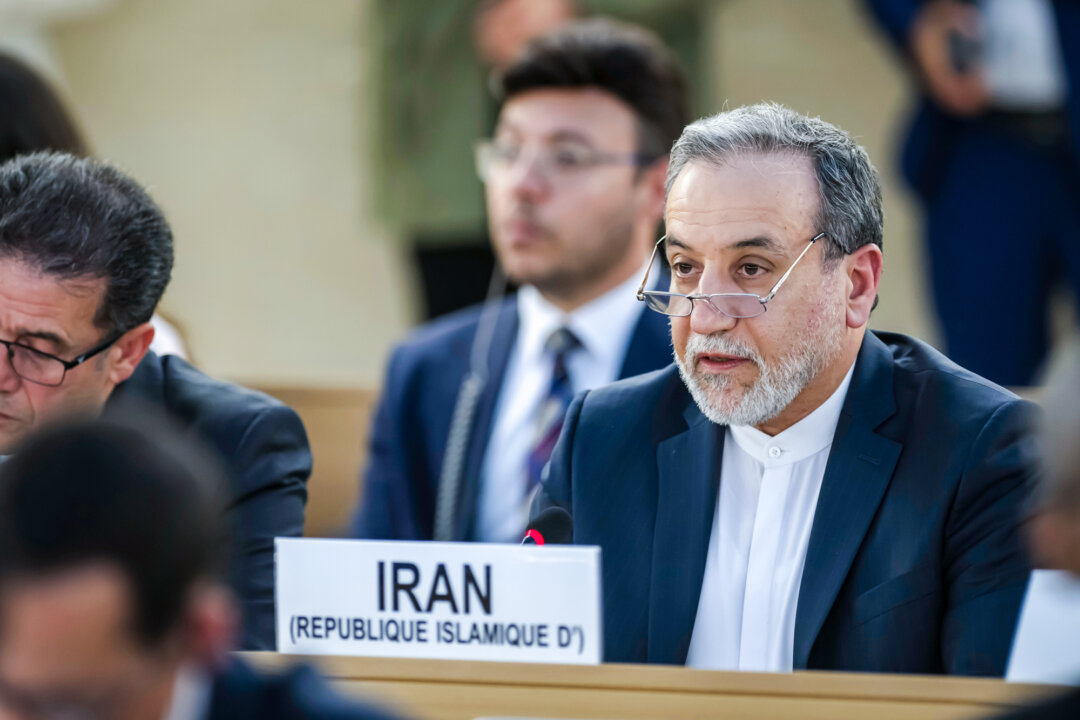
Iran officially rejected a resolution from the UN atomic agency, labeling the actions as anti-Iranian, illegal, and entirely unjustified.
Following the resolution, Iran announced the immediate suspension of all its cooperation with the International Atomic Energy Agency.
This decision by Iran effectively ends its collaborative efforts with the IAEA, impacting international oversight of its nuclear program.
The dispute centers on the IAEA's efforts to verify Iran's nuclear program, which Iran views as politically motivated and without merit.
Analysis
Analysis unavailable for this viewpoint.
FAQ
The IAEA is concerned about Iran's significant increase in uranium enrichment levels, including enrichment up to 60% purity, which is close to weapons-grade, and the rising stockpiles of enriched uranium that could enable nuclear weapon development.
As of mid-2025, Iran increased its enriched uranium stockpile by nearly 1,000 kg and produces about 37.5 kg per month of 60% enriched uranium, with a total installed centrifuge capacity of roughly 64,000 SWU/year and approximately 18,000 centrifuges enriching uranium.
Iran has rejected the UN atomic agency's resolution, calling it anti-Iranian, illegal, and unjustified, and subsequently suspended all cooperation with the IAEA, effectively ending international oversight efforts.
Iran enriches uranium at facilities such as Natanz and Fordow to levels including 2%, 5%, 20%, and up to 60% uranium-235, using various cascades of IR-1, IR-2, IR-4, and IR-6 centrifuges.
Iran's suspension of cooperation diminishes international oversight of its nuclear program, raising concerns about transparency and increasing the risk of nuclear proliferation by limiting verification of uranium enrichment activities.