COP30 Concludes with Financial Aid Pledges Amidst Shortcomings on Fossil Fuels and Deforestation
The COP30 climate talks in Brazil concluded with a compromise deal, tripling financial aid for developing nations, but fell short on fossil fuel phase-out and deforestation roadmaps, highlighting global consensus challenges.
 The Guardian
The Guardian view on UN climate talks: they reveal how little time is left | Editorial
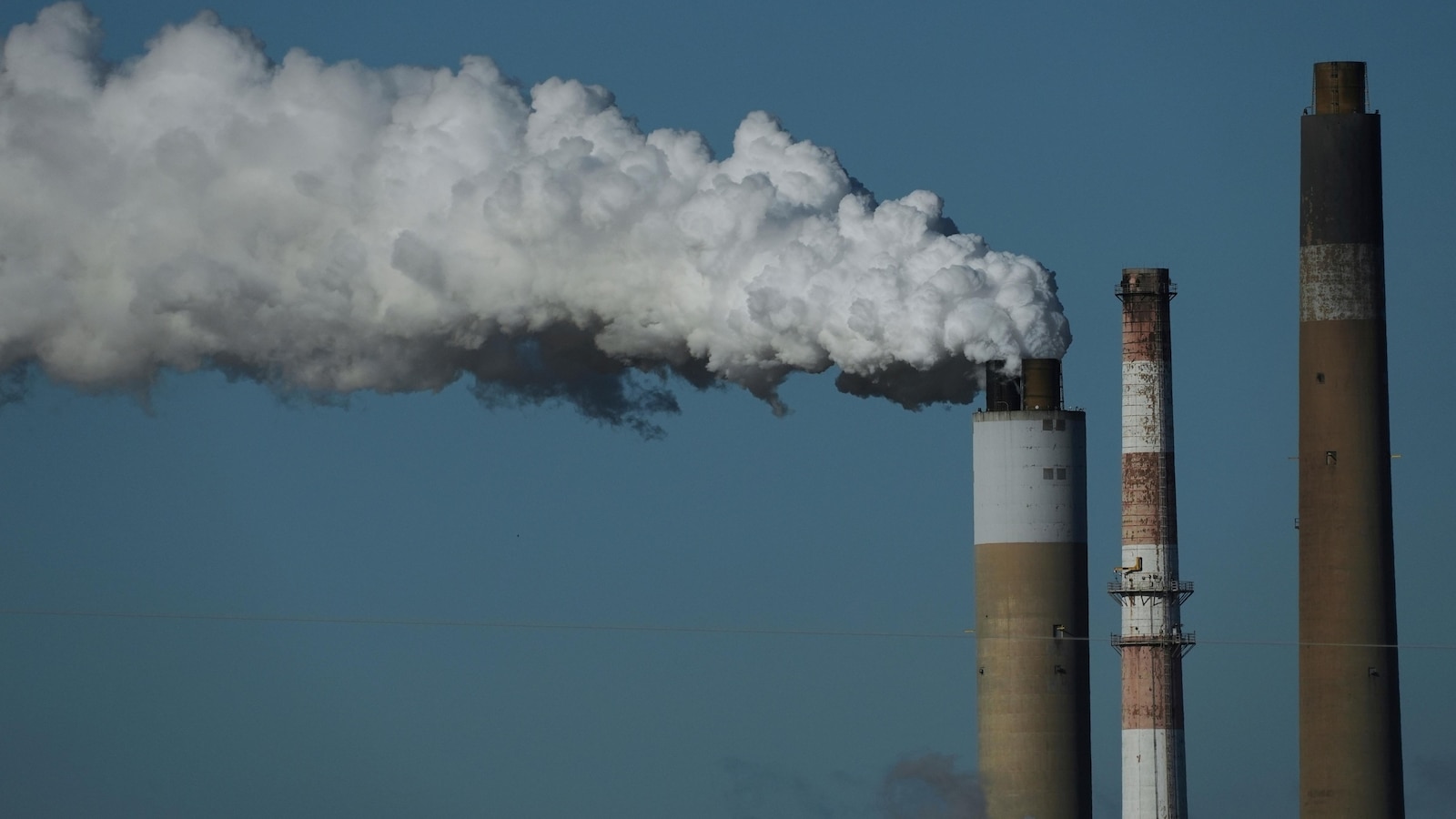
 ABC News
What's next in the fight to curb climate change, now that talks in Brazil have ended

 The Nation
Backsliding in Belém
 Associated Press
Here's what's next in the fight to curb climate change, now that talks in Brazil have ended
Overview
The COP30 UN climate talks in Brazil concluded with a compromise agreement, largely falling short of many nations' expectations despite some financial commitments made.
A key outcome was the commitment to triple financial aid from wealthier countries, assisting developing nations in adapting to global warming's urgent effects.
Developing countries, needing over $310 billion annually by 2035, received only $26 billion in 2023, with adaptation funds delayed until 2035, later than proposed.
The final agreement notably omitted specific plans for phasing out fossil fuels and a clear roadmap to halt deforestation, highlighting global consensus challenges.
The COP30 presidency plans to create two new 'road maps' for fossil fuel transition and deforestation, alongside 117 'action agenda' items for businesses.
Analysis
Center-leaning sources frame the COP30 climate talks as a significant compromise that ultimately fell short of crucial expectations, especially concerning fossil fuel phase-out. They emphasize the contentious negotiations and deep rifts that led to the omission of strong language on this critical issue, portraying the outcome as insufficient despite some progress on finance and implementation.
FAQ
COP30 secured a commitment to triple financial aid for developing nations, aiming to mobilize $1.3 trillion annually by 2035 for climate action, including doubling adaptation finance by 2025 and tripling it by 2035. However, in 2023, only $26 billion was provided against a need exceeding $310 billion annually by 2035, with some adaptation funds delayed until 2035. Additional initiatives like the Tropical Forest Forever Fund raised $5.5 billion, and the Adaptation Fund mobilized $135 million for vulnerable countries.
COP30's final agreement omitted specific plans for phasing out fossil fuels and lacked a clear roadmap to halt deforestation, primarily due to challenges in achieving global consensus among diverse national interests. Instead, the COP30 presidency announced plans to develop two new roadmaps targeting fossil fuel transition and deforestation mitigation, alongside 117 business-related action items, indicating ongoing efforts rather than finalized commitments.
Two major initiatives were launched at COP30: the Global Implementation Accelerator to help countries meet their climate action plans and adaptation objectives, and the Belém Mission to 1.5°C focusing on enhancing ambition and implementation. Additionally, the launch of Brazil-led Resilient Agriculture Investment accelerators and financial mechanisms like the Tropical Forest Forever Fund aimed to connect investment with restoration and conservation projects.
The Tropical Forest Forever Fund, launched at COP30, plans to raise over $100 billion combining public and private resources to reward countries that successfully reduce deforestation and protect tropical forests. It channels funds towards measurable conservation outcomes and economic investments in renewable energy, sustainable agriculture, forest restoration, and bioeconomy projects, with at least 20% of resources directed to Indigenous Peoples and local communities.
