Xi Jinping Discusses Taiwan with President Trump Amidst Regional Tensions
Chinese President Xi Jinping called President Trump to reiterate Beijing's firm stance on Taiwan's reunification, emphasizing its significance in the post-war international order, amidst escalating regional tensions.
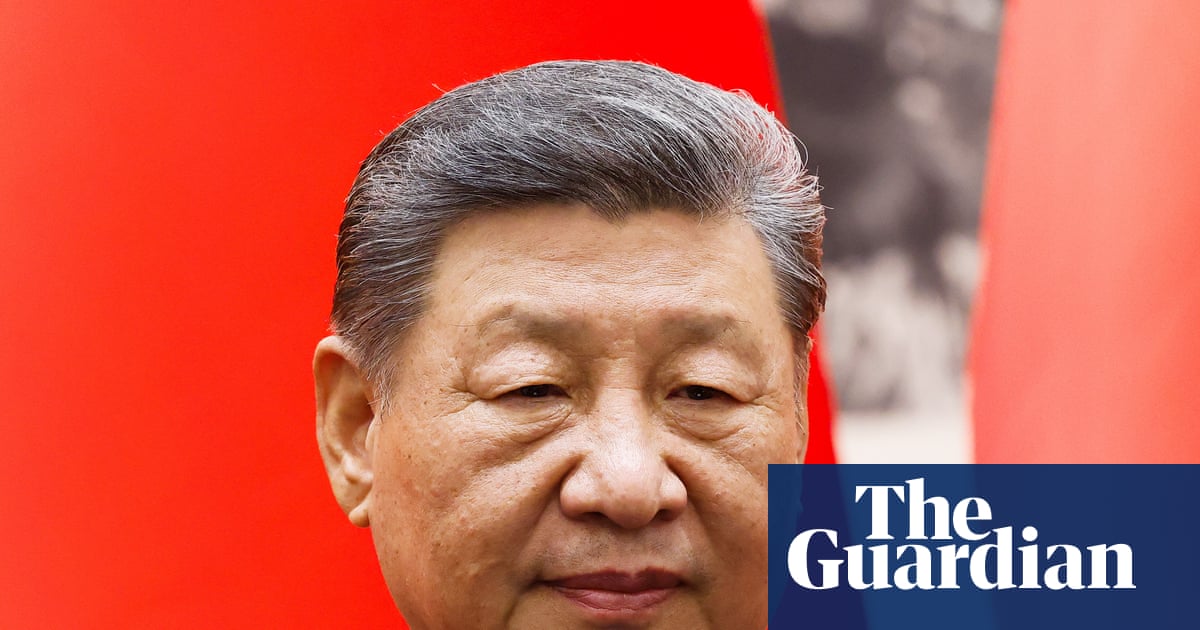


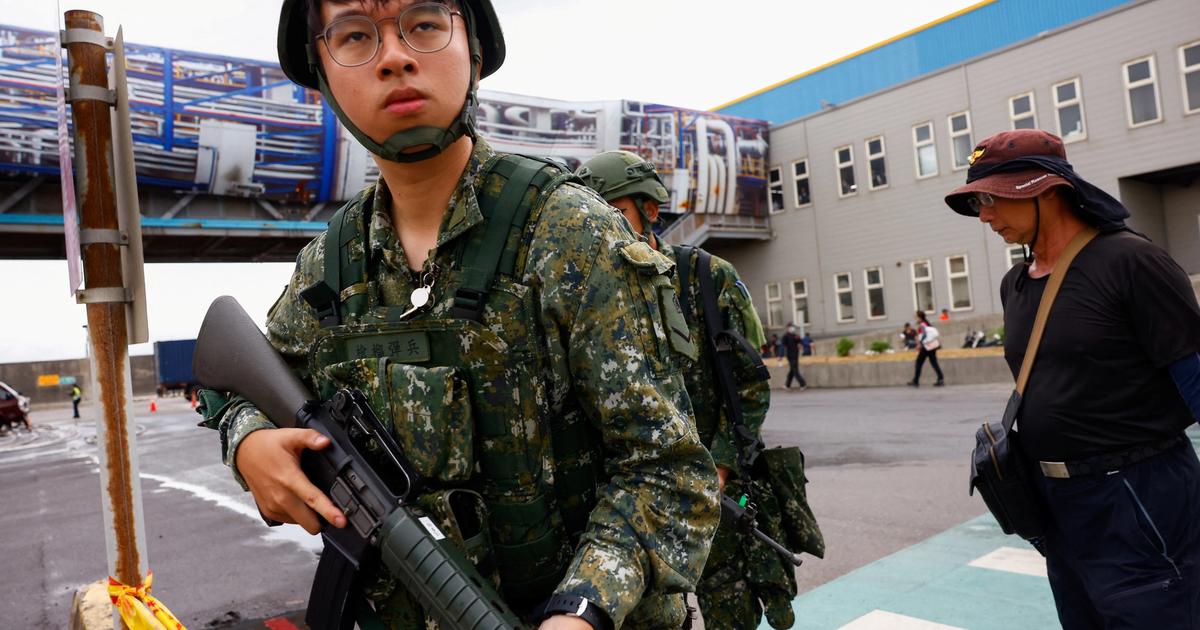

Overview
Chinese President Xi Jinping initiated a phone call with President Trump to address the sensitive issue of Taiwan, reaffirming Beijing's consistent claims over the island.
During their discussion, President Xi underscored to President Trump the critical importance of Taiwan's reunification with mainland China within the context of the post-war international order.
Beijing maintains its unchanged position on Taiwan, viewing its integration as a fundamental aspect of China's sovereignty and a key element of regional stability.
The conversation occurred amidst escalating tensions between Beijing and Tokyo concerning Taiwan, highlighting broader geopolitical complexities in the East Asian region.
China is currently engaged in a diplomatic dispute with both Japan and the United States, further complicating the regional dynamics surrounding the Taiwan issue.
Analysis
Center-leaning sources cover this story neutrally, presenting factual developments and attributing specific viewpoints or interpretations to named sources. They avoid loaded language and maintain an objective tone, allowing readers to form their own conclusions based on reported information and expert analysis.
FAQ
Taiwan's status is sensitive because China views Taiwan as an inseparable part of its territory and opposes any moves toward Taiwan's independence. The U.S. has a longstanding policy of strategic ambiguity, supporting Taiwan's self-defense while not formally recognizing its independence, which often leads to diplomatic friction with Beijing.
President Xi referred to the principle that territorial integrity should be respected after World War II, arguing that Taiwan's reunification with China is consistent with this principle and international law, as China claims Taiwan has always been part of its territory.
Japan has expressed concern over Taiwan's security and has strengthened its diplomatic and defense cooperation with Taiwan, which China views as interference in its internal affairs and a challenge to its regional influence.
These disputes increase regional tensions, complicate trade and security negotiations, and could lead to a more confrontational geopolitical environment in East Asia, affecting global stability and economic relations.
China's official stance is that Taiwan is an inalienable part of China and must be reunified with the mainland, by peaceful means if possible, but by force if necessary, to safeguard national sovereignty and territorial integrity.
The U.S. officially acknowledges the 'One China' policy but maintains unofficial relations with Taiwan, providing it with defensive arms and supporting its participation in international organizations, while opposing any unilateral changes to the status quo by either side.


