Guinea-Bissau Military Announces New Leader After Coup, Citing Electoral Manipulation
Guinea-Bissau's military seized power, installing a new leader after a disputed election. They claim intervention to prevent electoral manipulation, but critics call the coup fabricated.

 Al Jazeera
Guinea-Bissau coup: What happened, why it matters, what happens next?

 PBS NewsHour
Guinea-Bissau soldiers announce general as junta leader, cementing a coup days after election
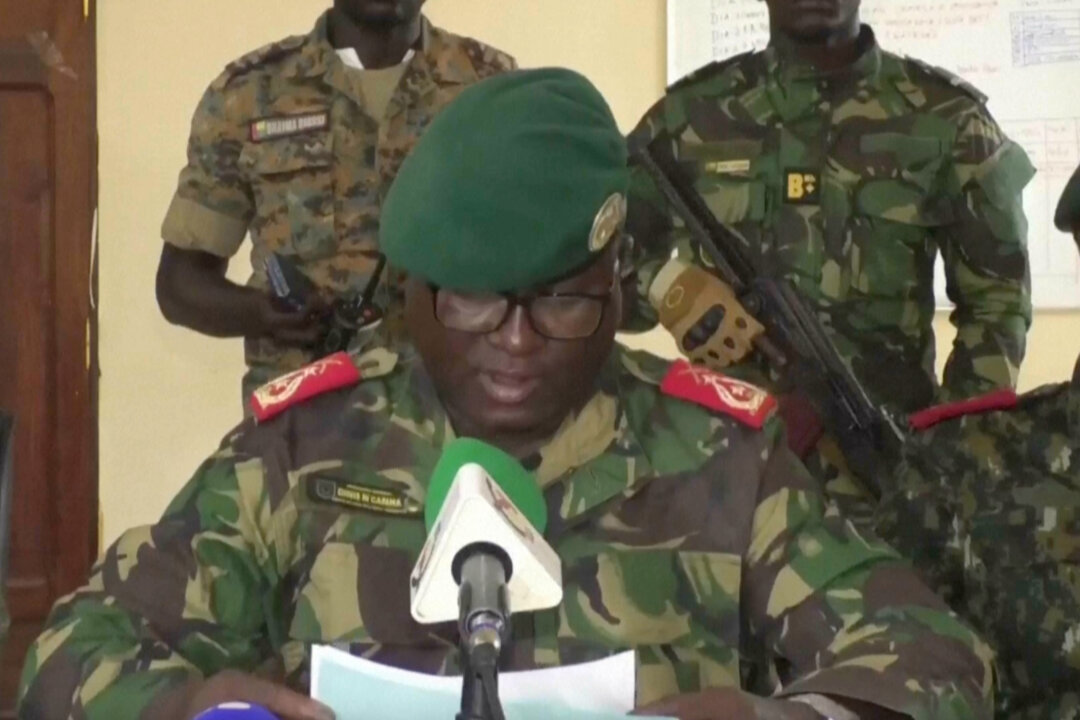
 Epoch Times
Bissau-Guinean President Accused of Staging Coup After Soldiers Appear on Television
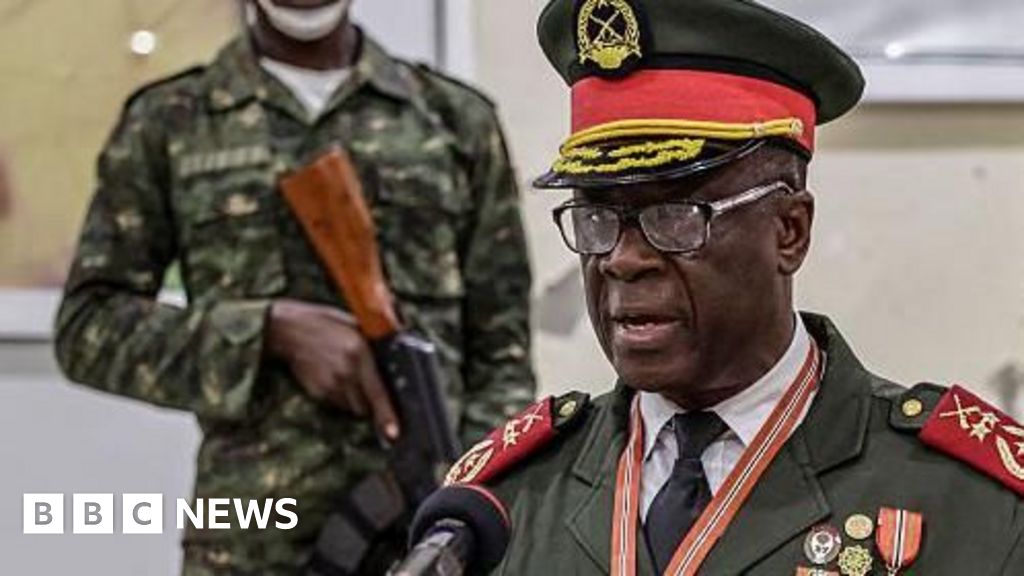
 BBC News
Guinea-Bissau army general named president a day after apparent coup
Overview
Military officers in Guinea-Bissau seized control following a closely contested presidential election where two candidates, including Umaro Sissoco Embaló, both claimed victory.
President Umaro Sissoco Embaló, along with opposition leaders, was arrested and detained by the military in Bissau, solidifying their forceful takeover of power.
General Horta Nta Na Man was sworn in as the transitional president, as military leaders claimed their intervention was to prevent alleged electoral manipulation.
However, the military takeover was also labeled as 'fabricated' by some to disrupt the election results, adding controversy to the power transfer.
African Union and West African leaders condemned the military coup, demanding the immediate release of detained officials, as Guinea-Bissau faces regional scrutiny.
Analysis
Center-leaning sources frame the Guinea-Bissau situation by emphasizing the questionable legitimacy of the power transfer, prominently featuring the "simulated coup" theory from civil society. They consistently highlight international condemnation and contextualize the event within a broader, concerning pattern of military takeovers and democratic backsliding across West Africa, suggesting chronic instability.
FAQ
General Horta Nta Na Man was sworn in as the transitional president following the military coup in Guinea-Bissau.
The military claimed their intervention was necessary to prevent alleged electoral manipulation, citing the disputed presidential election and the constitutional crisis preceding the coup.
The African Union and West African leaders condemned the military coup, demanding the immediate release of detained officials and expressing regional concern over the situation.
President Umaro Sissoco Embaló was arrested and detained by the military in Bissau following the coup.
Guinea-Bissau has a long history of coups and political instability, with recurring tensions between political elites and the military, which contributed to the context of the recent takeover.