Southeast Asia Flood Death Toll Surpasses 1,000 as Governments Intensify Rescue and Aid Efforts
Catastrophic floods and landslides, triggered by Cyclone Senyar and monsoon rains, have killed over 1,000 people across Indonesia, Sri Lanka, Thailand, and Malaysia, displacing hundreds of thousands as rescue operations intensify.
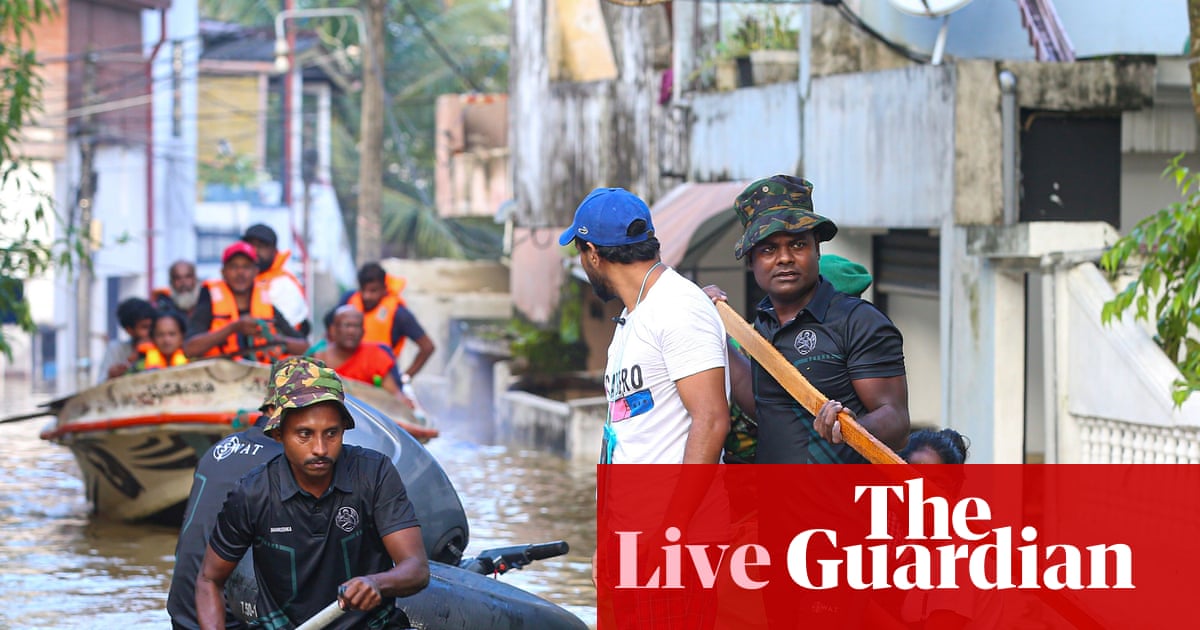
 The Guardian
Death toll passes 1,000 in devastating floods across Indonesia, Sri Lanka, Malaysia and Thailand – latest updates
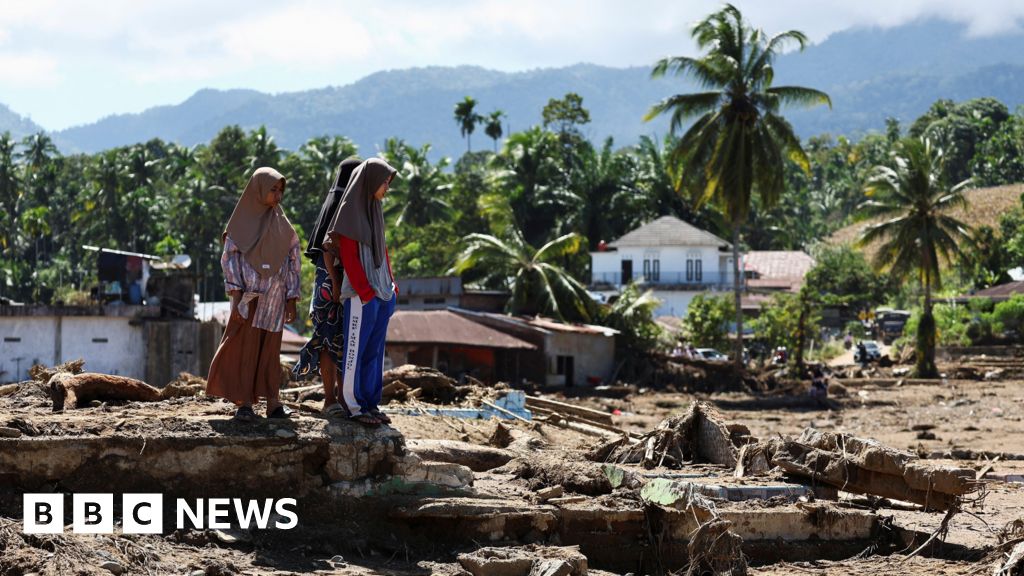
 BBC News
Death toll in Indonesia floods passes 500
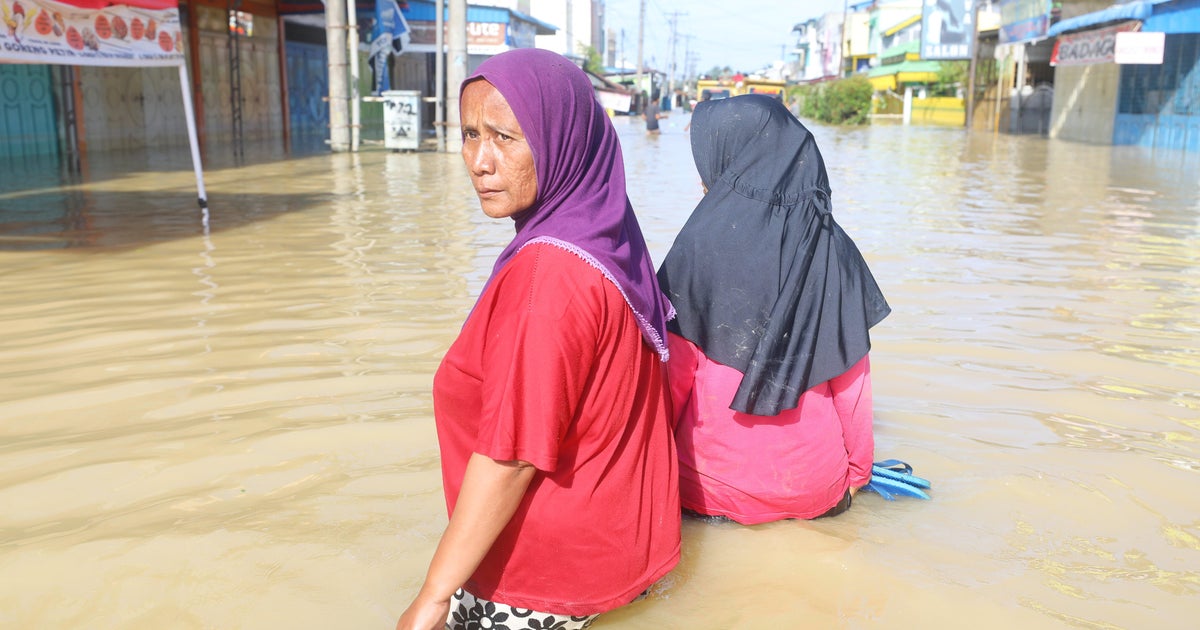
 CBS News
Southeast Asia floods and landslides kill more than 1,000 as climate change turbocharges monsoon season
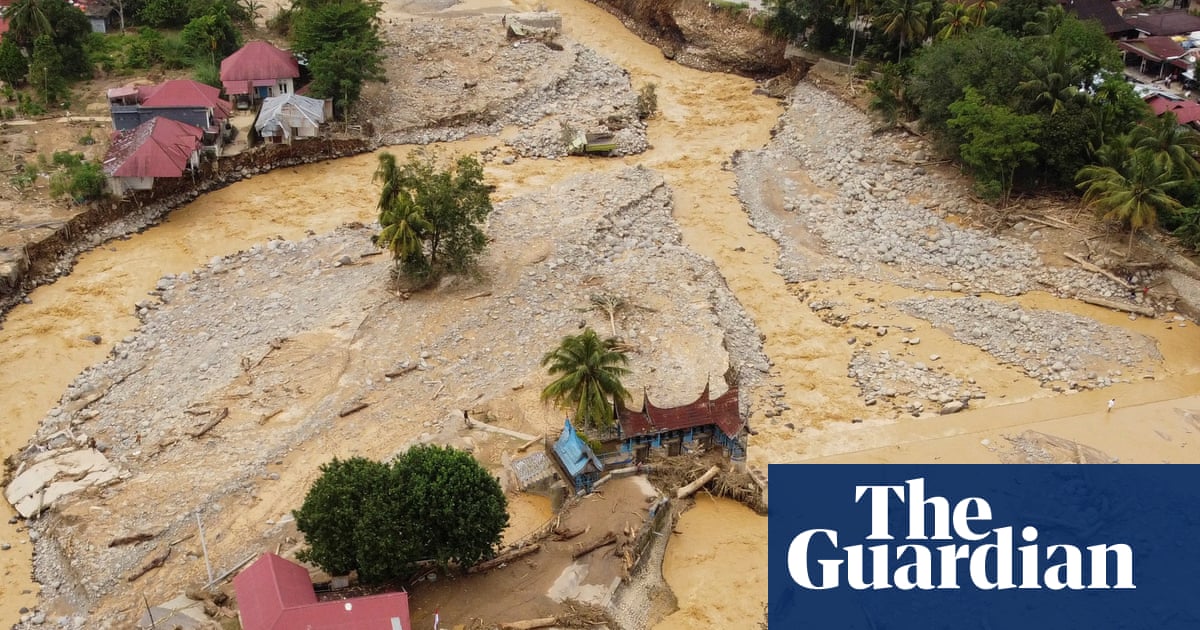 The Guardian
Sri Lanka and Indonesia deploy militaries as Asia floods death toll passes 1,000
Overview
Catastrophic floods and landslides, caused by Cyclone Senyar and torrential monsoon rains, have devastated parts of Southeast Asia, including Indonesia, Sri Lanka, Thailand, and Malaysia.
The regional death toll has tragically surpassed 1,000, with Indonesia reporting 502 fatalities and 508 missing, while Sri Lanka searches for 370 missing people.
Over 290,700 people have been displaced in Indonesia's North Sumatra, West Sumatra, and Aceh provinces, with homes swept away and buildings submerged across affected nations.
Governments in Indonesia and Sri Lanka have deployed military personnel, hospital ships, and helicopters to assist victims and deliver aid, with Sri Lanka also seeking international assistance.
Rescue operations face significant challenges due to damaged infrastructure and ongoing severe weather, as Indonesia's president assures survivors of impending help amidst the region's deadliest natural disaster since 2018.
Analysis
Center-leaning sources cover the Indonesia floods neutrally by focusing on factual reporting of the disaster's scale and human impact. They present diverse perspectives, including victim accounts, aid challenges, and government responses, without editorializing. The reporting prioritizes conveying the severity and complexity of the situation through direct accounts and official statements.
FAQ
The floods and landslides were caused by Cyclone Senyar combined with heavy monsoon rains affecting Indonesia, Sri Lanka, Thailand, and Malaysia.
Indonesia, Sri Lanka, Thailand, and Malaysia were the most affected. Indonesia reported over 500 deaths and 508 missing; Sri Lanka reported 334 dead and 370 missing; Thailand had at least 263 fatalities; Malaysia reported a few deaths as well, with the total regional death toll surpassing 1,000 people.
Rescue operations are hampered by damaged infrastructure, ongoing severe weather, and geographic isolation of communities, complicating aid delivery and victim assistance.
Governments in Indonesia and Sri Lanka have deployed military personnel, hospital ships, helicopters, and requested international assistance to support rescue efforts and deliver aid.
These disasters highlight the impact of climate change on intensifying rainfall patterns, increasing tropical cyclone formation, and the urgent need for improved infrastructure, early-warning systems, and climate adaptation planning in Southeast Asia.