Defense Secretary Hegseth Denies Seeing Survivors Amid War Crimes Probe Over Deadly Caribbean Strike
Defense Secretary Pete Hegseth denies seeing survivors before a deadly second strike on a Caribbean drug boat, prompting a war crimes investigation into the controversial military operation.
 Daily Beast
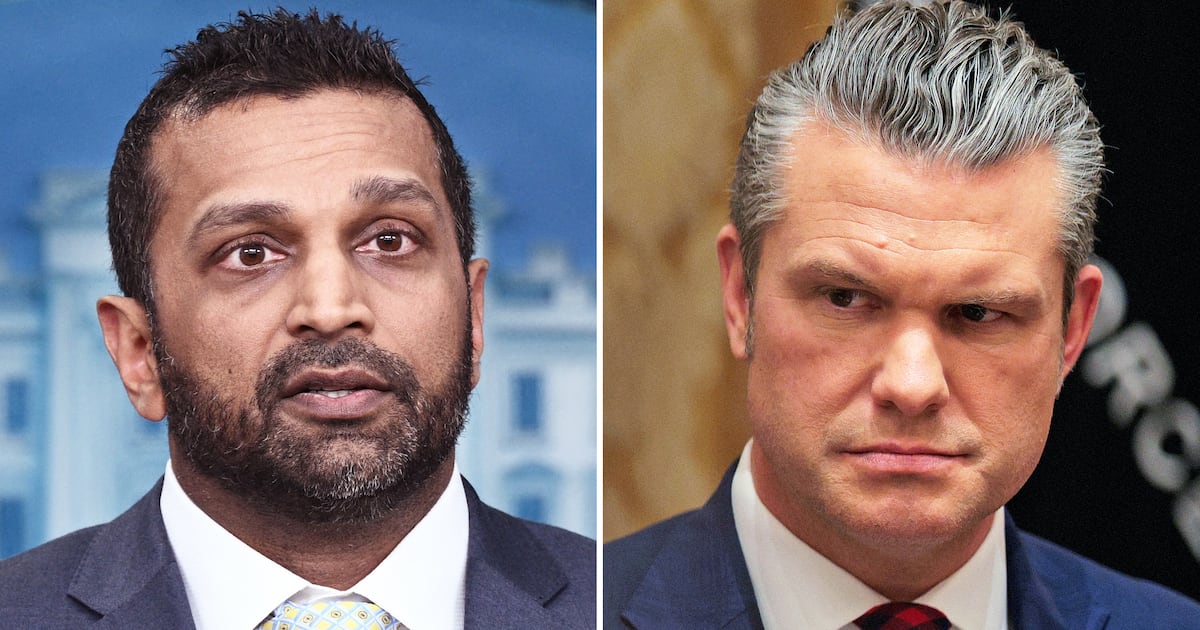
Pete Hegseth Is Blowing Up ‘Drug Boats,’ But Kash Patel’s Ship Is Sinking Fast Too

 TIME Magazine
Hegseth’s Changing Story on the Caribbean Strike
 Daily Beast
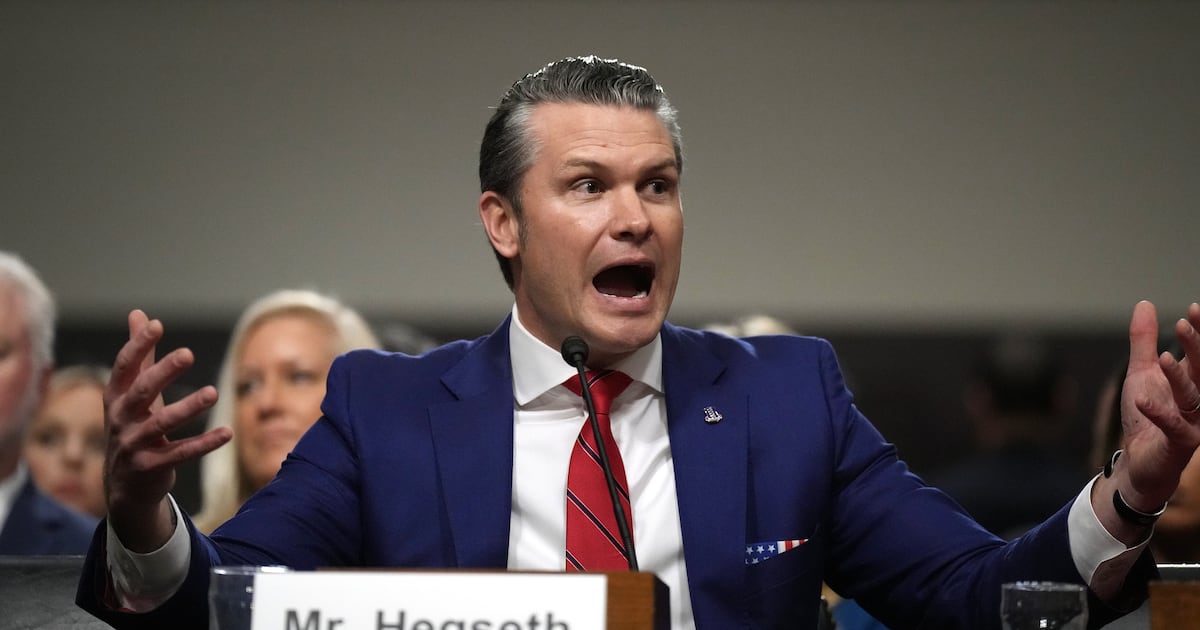
Pentagon Pete’s Blame Game Backfires
 CNN
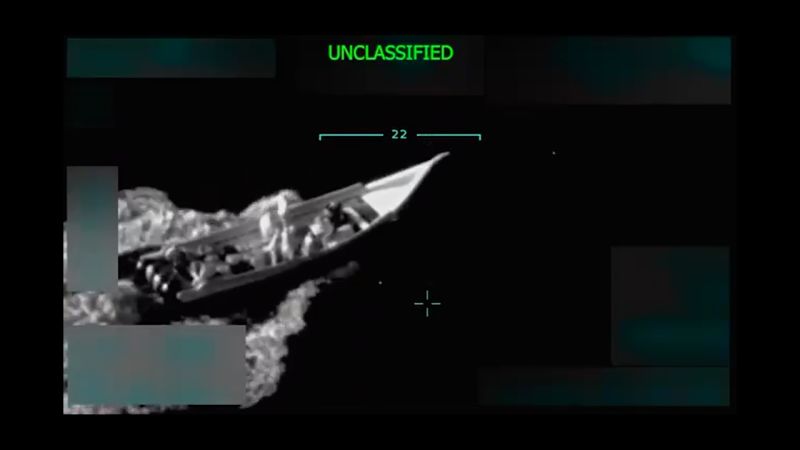
CNNHere’s what the Trump administration has said about the ‘double-tap’ strike on an alleged drug boat | Politics
Overview
A second strike on an alleged drug-smuggling boat in the Caribbean Sea killed survivors from an initial attack, contributing to 11 confirmed fatalities across four strikes.
This deadly follow-up strike has sparked widespread controversy and calls for a war crimes investigation, as firing on shipwrecked survivors is illegal under international law.
US Defense Secretary Pete Hegseth denies seeing survivors before the second strike, clarifying he only watched the first strike live, despite initial claims of watching the entire operation.
Hegseth supported Admiral Frank Bradley's decision to carry out the second strike, asserting the military's full authority to conduct such operations in the controversial campaign.
Lawmakers are actively investigating the legality of the strike, while the Trump administration's broader campaign against alleged drug traffickers faces scrutiny.
Analysis
Center-leaning sources appear neutral, focusing on reporting the unfolding controversy surrounding the boat strikes. They present the administration's defense, including Hegseth's "fog of war" explanation and Trump's support, alongside significant bipartisan criticism from lawmakers and details from investigative reports, allowing readers to understand various perspectives without editorial bias.
FAQ
Pete Hegseth is reported to have personally ordered U.S. forces to "kill everybody" aboard a suspect boat in the Caribbean, including survivors clinging to wreckage following an initial strike, leading to a second fatal missile strike.
The follow-up strike, which targeted survivors from the initial attack on the boat, is considered highly controversial and may constitute a war crime since firing on shipwrecked survivors is illegal under international law.
Lawmakers from both parties have initiated bipartisan investigations in the House and Senate Armed Services Committees to determine the facts related to the strikes and assess the legality and potential war crimes implications.
Hegseth denies ordering the killing of survivors, stating he only observed the first strike live, not the second, and claims all operations are lawful under U.S. and international law with approval from military and civilian lawyers.
The strikes are part of a broader Trump administration campaign against alleged drug traffickers in the Caribbean and eastern Pacific waters, involving at least 22 vessel strikes and over 80 deaths in 2025.