Egypt and Iran Object to FIFA World Cup 'Pride Match' in Seattle
Egypt and Iran object to a planned 2026 FIFA World Cup 'Pride Match' in Seattle, citing concerns over LGBTQ+ celebrations given their national laws.



Overview
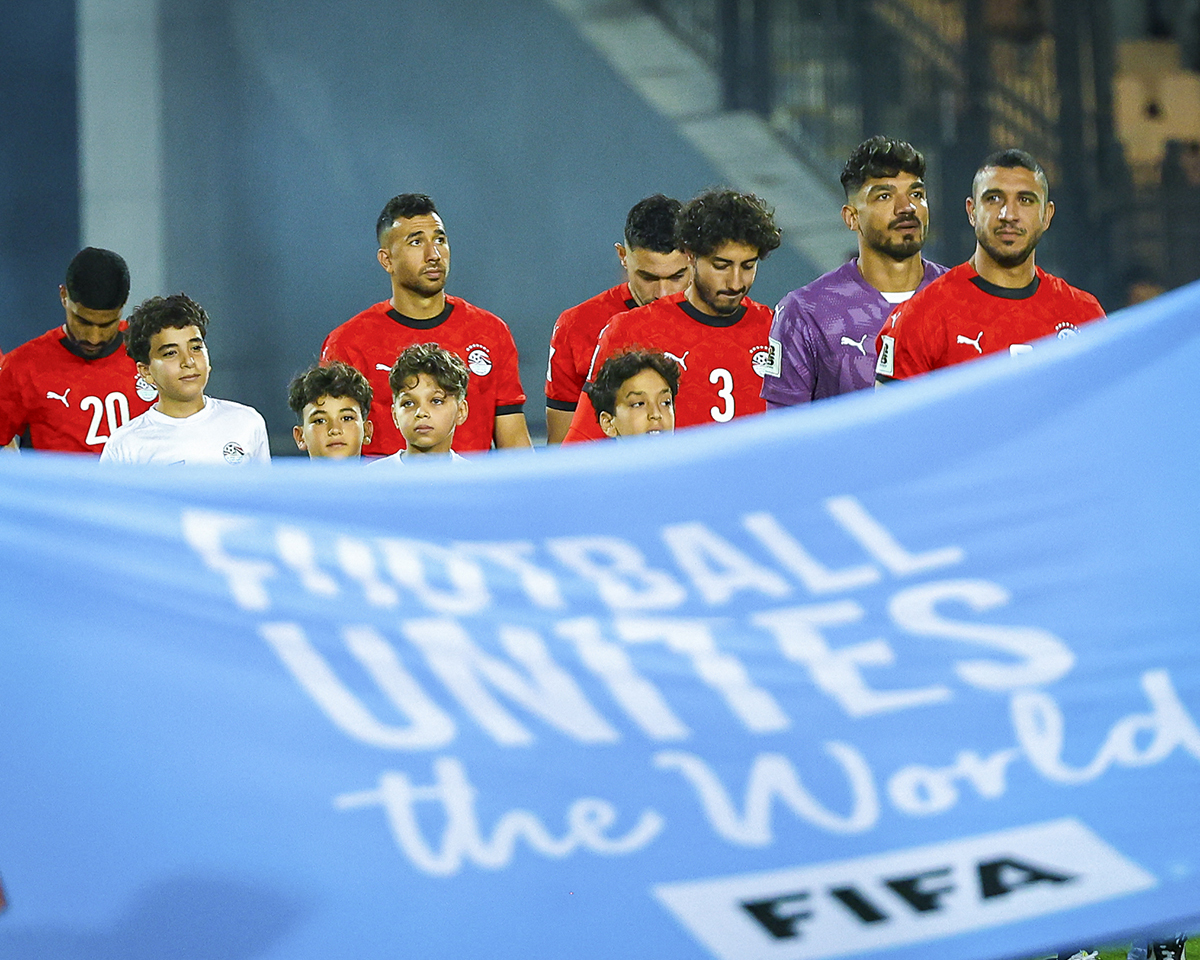
Egypt and Iran have formally raised concerns with FIFA regarding a planned 2026 World Cup match in Seattle.
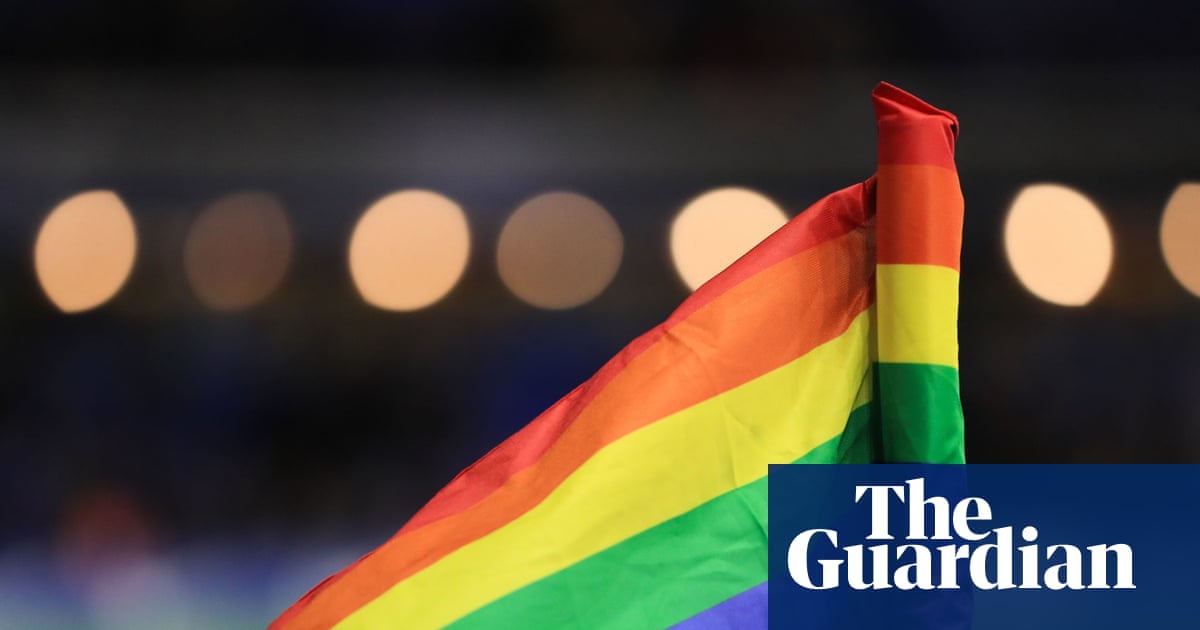
Both nations object to the match being designated a 'Pride Match' featuring LGBTQ+ celebrations, citing their respective national laws.
The controversial game is scheduled to occur in Seattle, USA, during the 2026 FIFA World Cup, coinciding with local Pride weekend.
Iran's Football Federation publicly criticized the match's theme on state television, expressing strong disapproval of the planned celebrations.
This situation presents a significant challenge for FIFA, as two participating countries are actively opposing the event's celebratory nature.
Analysis
Center-leaning sources cover the story neutrally, presenting a balanced account of the dispute between Egypt/Iran and Seattle organizers over a World Cup Pride match. They provide factual background on anti-LGBTQ+ laws in Egypt and Iran, alongside Seattle's commitment to inclusivity, without adopting a judgmental tone or prioritizing one side's narrative.
FAQ
Egypt and Iran oppose the match's 'Pride Match' designation because they object to the LGBTQ+ celebrations planned for the event, which conflict with their national laws and cultural norms.
Both Egypt and Iran have formally raised concerns with FIFA, with Iran's Football Federation publicly criticizing the match on state television, expressing strong disapproval of the LGBTQ+ celebrations.
The 'Pride Match' is scheduled during the 2026 FIFA World Cup in Seattle, USA, coinciding with the local Pride weekend celebrations.
FIFA faces a complex challenge balancing the scheduled Pride celebrations with the concerns of participating nations, and they may engage in dialogue, consider adjustments to the event's programming, or reinforce their commitment to inclusion and diversity.
This controversy highlights the difficulties international sports organizations face when promoting LGBTQ+ inclusion amid diverse cultural and legal environments, potentially influencing how future events manage such themes to respect participating countries’ views while advocating for inclusivity.