Russian and Chinese Military Aircraft Prompt South Korea and Japan to Scramble Fighter Jets
Russian and Chinese military aircraft conducted a joint air patrol near South Korea and Japan, leading both nations to scramble fighter jets in response to the foreign planes entering air defense zones.
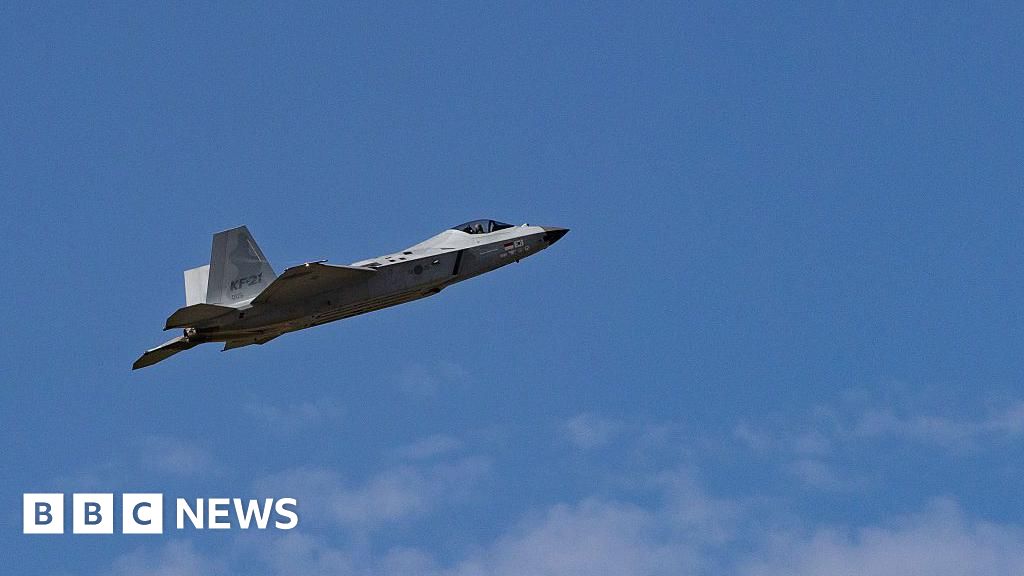


Overview
Russian and Chinese military aircraft conducted a joint air patrol, involving seven Russian and two Chinese planes, near the air defense zones of South Korea and Japan.
South Korea scrambled fighter jets and prepared for potential emergencies after these foreign military planes entered its Air Defence Identification Zone.
Japan also responded by scrambling its own warplanes, indicating a coordinated defensive reaction to the joint military exercise.
The incident highlights increasing military cooperation between Russia and China, demonstrated through joint operations in sensitive international airspace.
Both South Korea and Japan viewed the joint patrol as a significant event, prompting immediate military responses to monitor and deter potential threats.
Analysis
Center-leaning sources cover the South Korea-China-Russia warplane incident neutrally, focusing on factual reporting. They present South Korea's protest, the nature of air defense zones, and the perspectives of all involved parties without loaded language or overt bias. The coverage provides necessary context, allowing readers to form their own conclusions.
FAQ
The joint patrol involved seven Russian aircraft, including Tu-95 Bear bombers, and two Chinese aircraft, including H-6 series bombers.
South Korea and Japan scrambled fighter jets because the Russian and Chinese military aircraft entered South Korea's Air Defense Identification Zone and approached Japanese air defense zones, prompting defensive measures to monitor and deter potential threats.
The ADIZ is a designated area where incoming aircraft are expected to identify themselves for security purposes; it is not territorial airspace but entering it by foreign military aircraft prompts monitoring and defensive readiness from the concerned countries.
Russia and China conduct these joint strategic air patrols regularly as part of their annual cooperation plan, with the latest being the 10th such flight in December 2025.
The joint patrols take place amid heightened tensions between China and Japan, partly due to Japan's increasing support for Taiwan, which China considers a breakaway province and will reclaim by peaceful or military means.
