Congo Accuses Rwanda of Peace Agreement Violations, Seeks UN Accountability
Congo's Foreign Minister has formally accused Rwanda of violating peace agreements before the Security Council, urging the international body to hold Rwanda accountable for its actions.
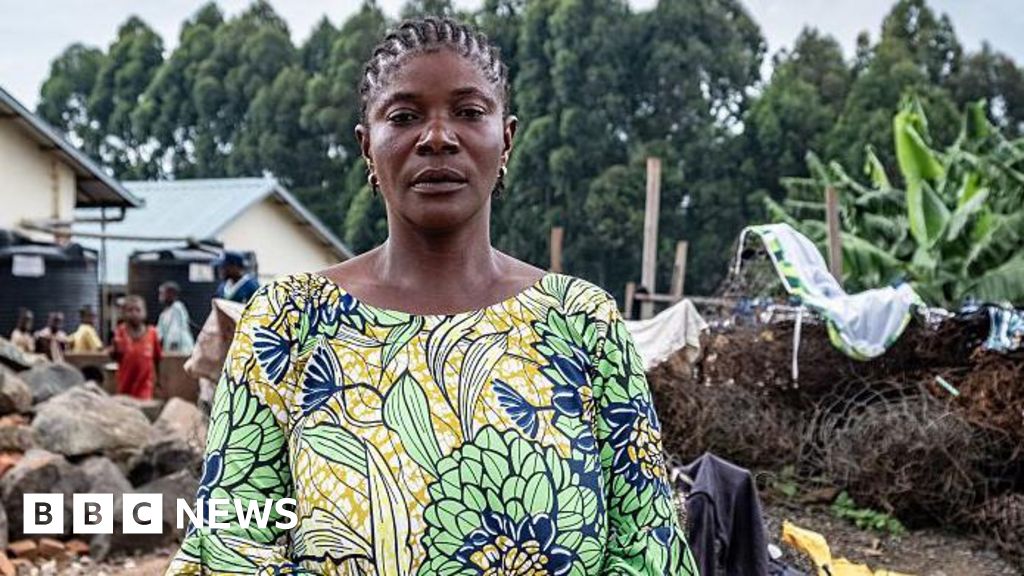
 BBC News
DR Congo-Rwanda peace process: Can Trump's shattered plan be glued back together?

 New York Daily News
US accuses Rwanda of violating the peace deal as M23 rebels seize a key eastern Congo city

 CNN
CNNUS accuses Rwanda of fueling war as fighting in eastern DR Congo intensifies despite Trump-brokered peace deal
Overview
Congo's Foreign Minister presented a formal accusation against Rwanda before the Security Council, highlighting alleged violations of existing peace agreements.
The accusation specifically details Rwanda's purported breaches of commitments aimed at maintaining stability and peace in the Great Lakes region.
Congo is actively seeking accountability from the international community, urging the Security Council to address Rwanda's alleged actions.
This diplomatic move underscores ongoing tensions between the two nations, with Congo emphasizing the need for adherence to international accords.
The call for accountability aims to ensure the enforcement of peace agreements and prevent further destabilization in the region due to alleged violations.
Analysis
Center-leaning sources frame this story by highlighting Rwanda's alleged role in undermining the peace process. They use evaluative language like "Trump's shattered plan" and editorially interpret Rwanda's actions, such as its presence in Washington being a "tacit acknowledgment" of influence over M23. The narrative emphasizes accusations against Rwanda and its strategic motivations for the M23 offensive.
FAQ
Congo refers primarily to the Washington peace agreement (and related ceasefire and declarations of principles reached in 2025) that commit parties to cease hostilities and end external support to armed groups such as M23; Congo alleges Rwanda breached those commitments by actions linked to continued fighting and M23’s advances.
In its Security Council presentation, Congo outlined alleged breaches of commitments (including renewed artillery strikes and military advances by M23 in South Kivu and Uvira) and linked those incidents to Rwandan involvement; reports cited by officials include battlefield incidents and territorial gains by M23 after the agreement’s signing.
Rwanda has denied the accusations, calling claims of Rwandan responsibility ‘ridiculous’ and blaming the DRC and allied forces for ceasefire violations and attacks near the border; Rwandan government statements assert they are not responsible and point to DRC/Burundi actions as the source of violence.[2]
The Security Council can pursue measures ranging from public condemnation and demands for compliance, to targeted sanctions, arms restrictions, or referrals to investigative and monitoring mechanisms; analysts note, however, that the Washington accord lacks clear enforcement clauses and verification tools, complicating direct UN enforcement.[3]
Observers warn that without enforceable action, fighting could continue or escalate—M23 may consolidate territorial gains (including Uvira, Goma, Bukavu), civilian displacement and humanitarian access could worsen, and regional instability could deepen as rival states and armed groups continue tit-for-tat accusations.