Operation Southern Spear: US Military Strikes Drug Boats, Faces Lawmaker Scrutiny Amid Rising Casualties
The US military's Operation Southern Spear has conducted 26 strikes on alleged drug boats in the Eastern Pacific, killing 99, with a recent strike causing four deaths, facing lawmaker scrutiny.
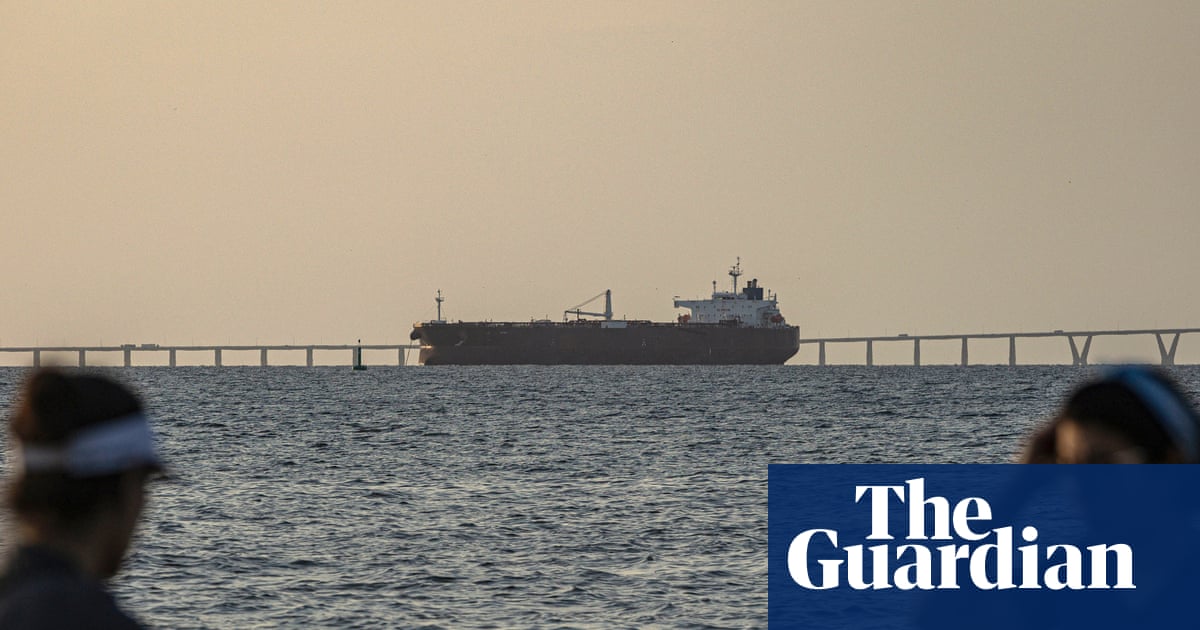
 The Guardian
US strike on alleged drug boat in Pacific kills four, as Trump accuses Venezuela of taking ‘our oil’

 Al Jazeera
US kills 4 in latest Pacific Ocean attack as Venezuela tension spirals
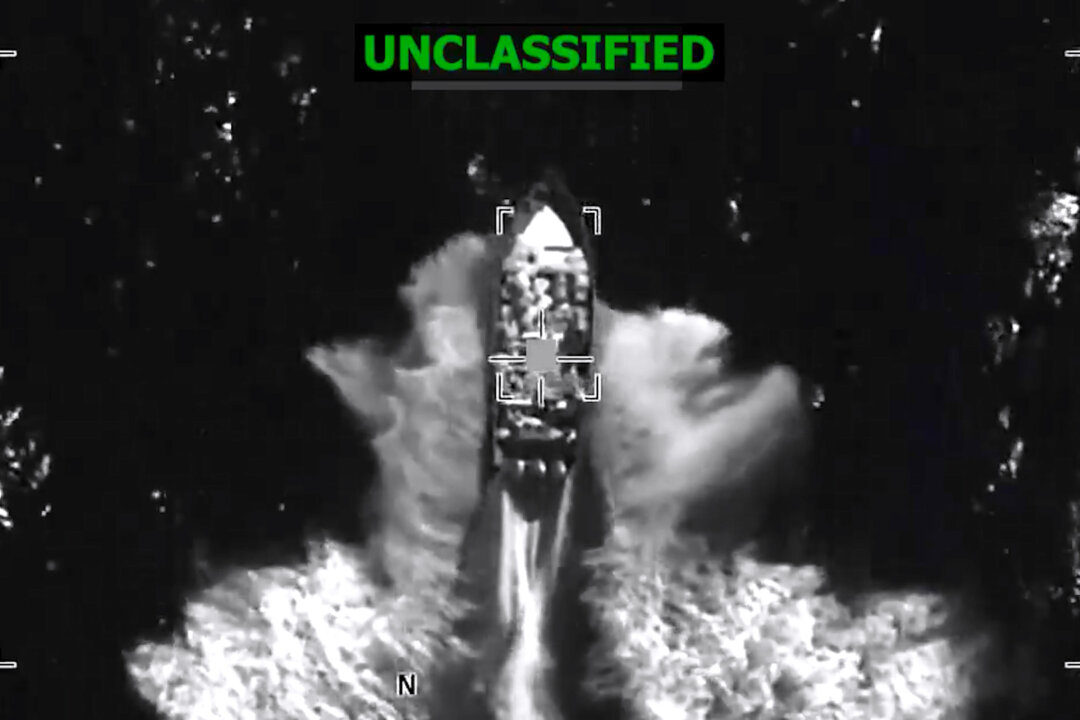
 Epoch Times
US Airstrike on Drug Boat Kills 4 in Eastern Pacific
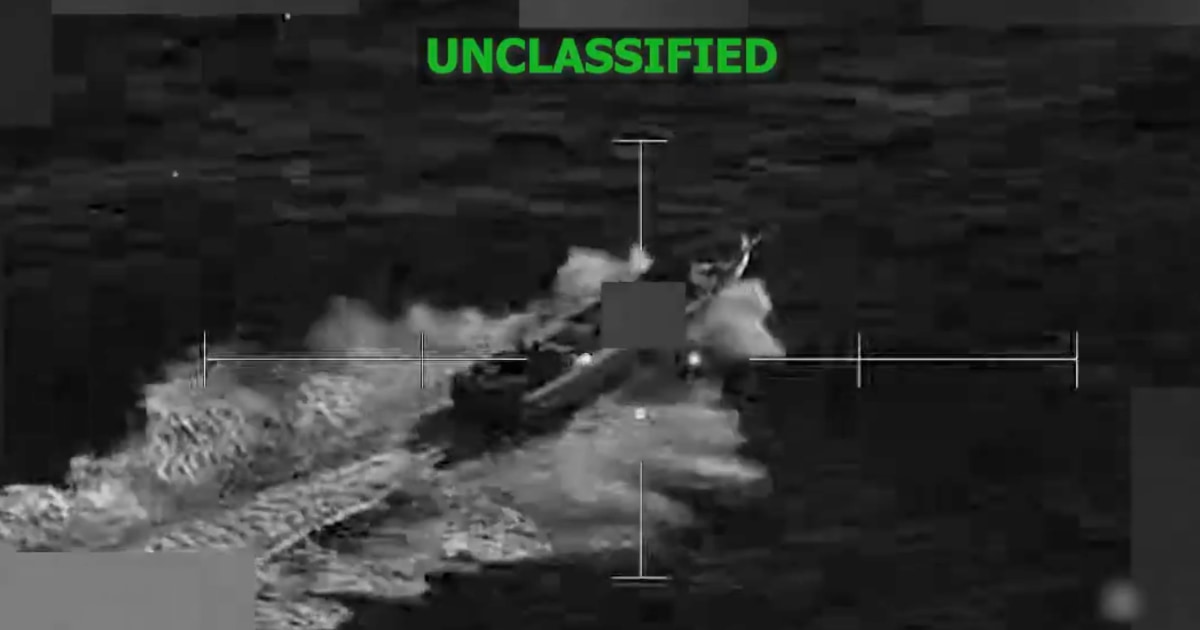
 NBC News
U.S. military announces another strike on suspected drug boat that killed 4
Overview
The US military conducted a recent airstrike in the Eastern Pacific, ordered by Secretary of War Pete Hegseth, on an alleged drug boat, resulting in four deaths and marking the 26th known strike.
This latest incident contributes to Operation Southern Spear's total of 26 strikes on alleged drug-trafficking vessels since September, which have now resulted in at least 99 deaths.
President Trump justifies these lethal strikes as lawful and necessary to reduce drug flow, with the administration sharing a video of the targeted boat before its explosion.
Lawmakers are increasingly scrutinizing the administration's boat strike campaign, with House Republicans rejecting Democratic resolutions to require congressional authorization for such actions.
These military actions, including a naval blockade of sanctioned oil tankers, are part of a broader pressure campaign by the Trump administration against Venezuelan leader Nicolás Maduro.
Analysis
Center-leaning sources cover this story neutrally by presenting official statements alongside critical context and legislative challenges. They report the military's claims about "narco-terrorists" but also highlight the lack of evidence, providing a balanced view. The coverage includes details on lawmaker scrutiny and attempts to limit presidential power.
FAQ
The administration and Pentagon have described the strikes as lawful counter-narcotics and counter–'narco-terrorism' operations conducted in international waters under U.S. national-security authorities; the Pentagon has publicly defended the actions as necessary to disrupt trafficking and has provided briefings and statements asserting legal justification for the strikes.
As of mid-December 2025, reporting indicates at least 26 known strikes on suspected drug-trafficking vessels with a total of about 99 people killed across the Caribbean and Eastern Pacific.
Lawmakers have increased scrutiny: Democrats have pushed resolutions seeking congressional authorization for the strikes (which House Republicans blocked), and members of both parties have raised legal and humanitarian questions about civilian casualties and executive authority.
The administration has released video and Pentagon statements showing targeted vessels and asserting intelligence linking them to narcotrafficking; officials say imagery and assessments informed the strikes, and the White House has publicized such materials to justify the actions.
Analysts warn the operation is expensive and may be strategically lopsided—U.S. forces and resources deployed far exceed the capabilities and revenues of traffickers—raising questions about sustainability and whether strikes meaningfully reduce drug flows or instead create escalation and civilian-harm risks.[4]