US Finalizes Record $11 Billion Arms Deal for Taiwan, Sparking Strong Chinese Condemnation and War Risk Warnings
The US approved an $11 billion arms package for Taiwan, including HIMARS and ATACMS, to bolster defense. China condemned the deal, warning of rising war risks and sovereignty threats.




Overview
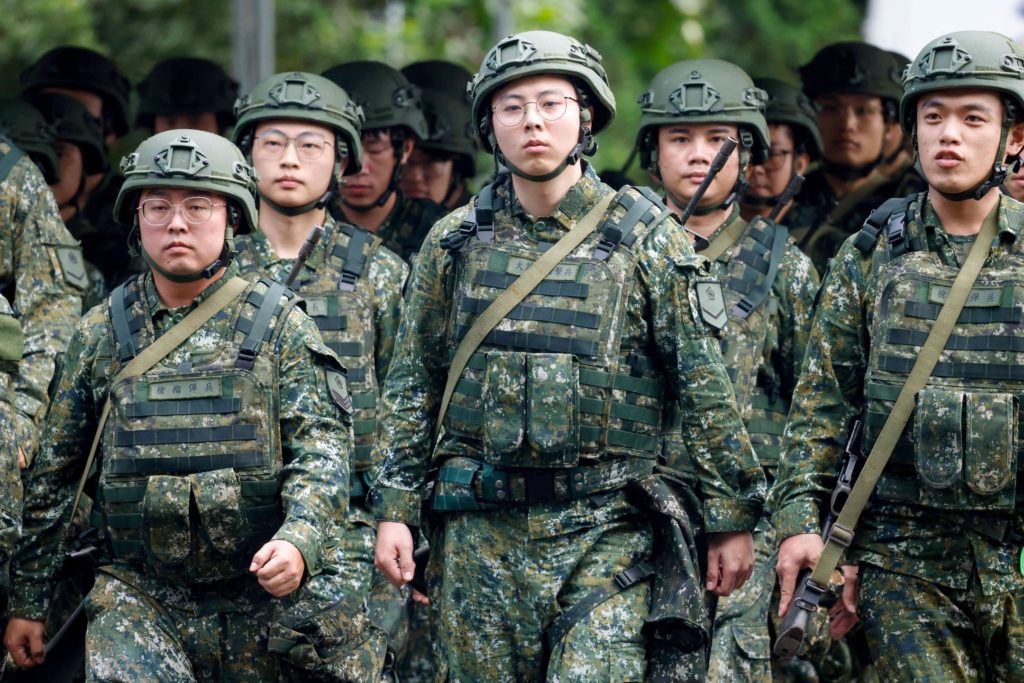
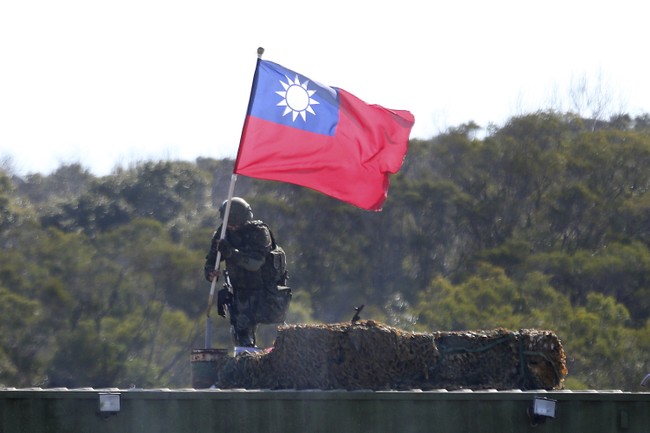
The Trump administration approved a record $11 billion arms package for Taiwan, including 82 HIMARS launchers and 420 ATACMS missiles, to significantly enhance the island's defense capabilities.
Taiwan expressed gratitude for the U.S. support, highlighting the critical importance of these advanced weapons for maintaining its self-defense capabilities and deterrence against potential aggression.
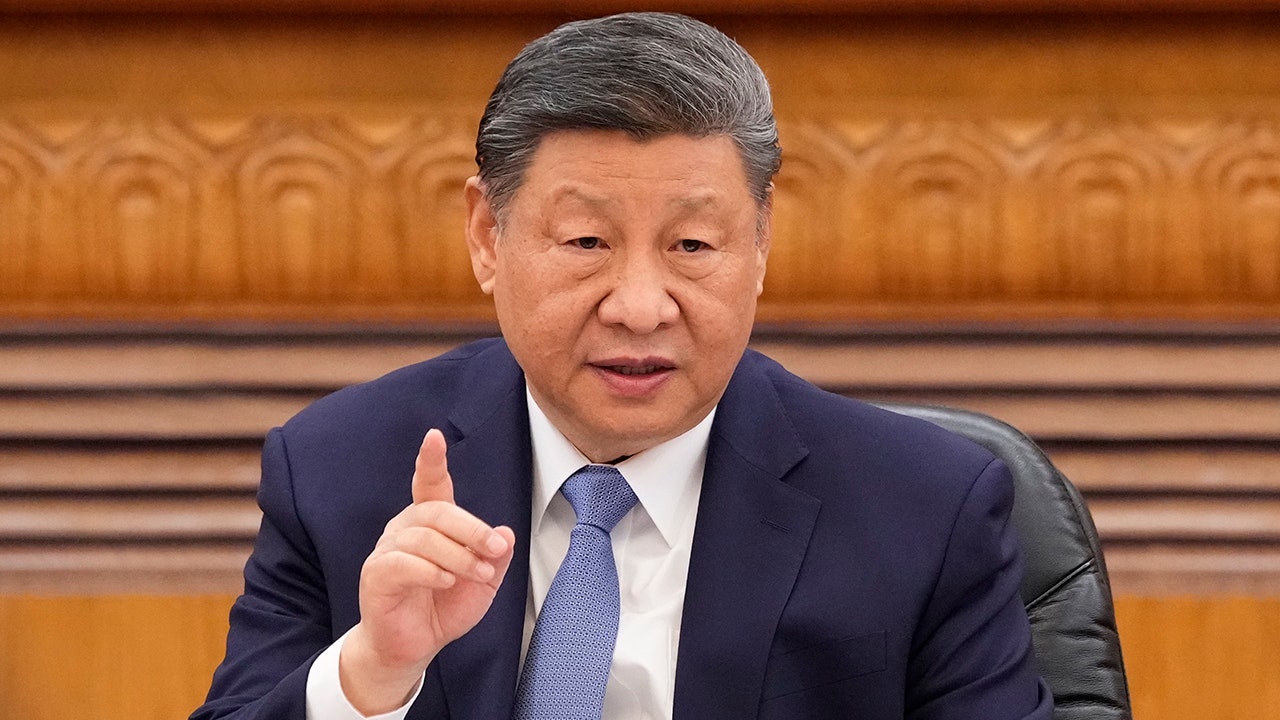
China strongly condemned the arms deal, citing violations of diplomatic agreements and threats to its sovereignty, security, and territorial integrity, warning of regional instability.
The arms sales have angered China, prompting warnings of rising war risks. China historically responds to major Taiwan arms deals with military demonstrations.
The U.S. State Department affirmed the sales support national security by modernizing Taiwan's forces, while China continues one of the fastest military modernizations globally.
Analysis
Center-leaning sources frame this story by consistently emphasizing China's "aggressiveness" and "assertiveness" in the region, portraying the US arms sale as a crucial measure to bolster Taiwan's "self-defense capabilities" and maintain "regional stability." This narrative is reinforced by highlighting China's vow to take Taiwan by force, framing the arms deal as a defensive response to a clear and present threat.
FAQ
The package reportedly includes 82 HIMARS launchers and 420 ATACMS long‑range missiles along with other systems such as howitzers, Javelin anti‑tank missiles, loitering munition drones and spare parts; these systems increase Taiwan’s long‑range strike and precision fires, improve its ability to conduct distributed, mobile rocket artillery strikes, strengthen anti‑armor defenses and add loitering-munition capabilities for area denial and targeting options, thereby enhancing deterrence and asymmetric defense against potential amphibious or missile attacks.
After the administration’s announcement the sale requires formal notification and a review process; Congress typically has a statutory review period during which lawmakers can object, and final delivery depends on licensing, contracting, funding and logistical arrangements between the U.S. government and Taiwan.[1]
China condemned the deal as violating diplomatic agreements and warned it undermines sovereignty and regional stability, and historically such major U.S. arms sales have been followed by Chinese military demonstrations, increased patrols or exercises near Taiwan and diplomatic protests; analysts warn these reactions can raise the risk of miscalculation or escalation in the Taiwan Strait.[1]
The U.S. State Department and Pentagon say the sales support U.S. national security by helping Taiwan modernize its forces, maintain credible defensive capabilities, build deterrence through asymmetric advantages and contribute to regional peace and stability.[1]
