Winter Storms and Aid Blockages Intensify Humanitarian Crisis for Displaced Palestinians in Gaza
Displaced Palestinians in Gaza face worsening living conditions due to severe winter storms and heavy rains, compounded by Israeli restrictions blocking crucial humanitarian aid, raising extreme concern.




Overview
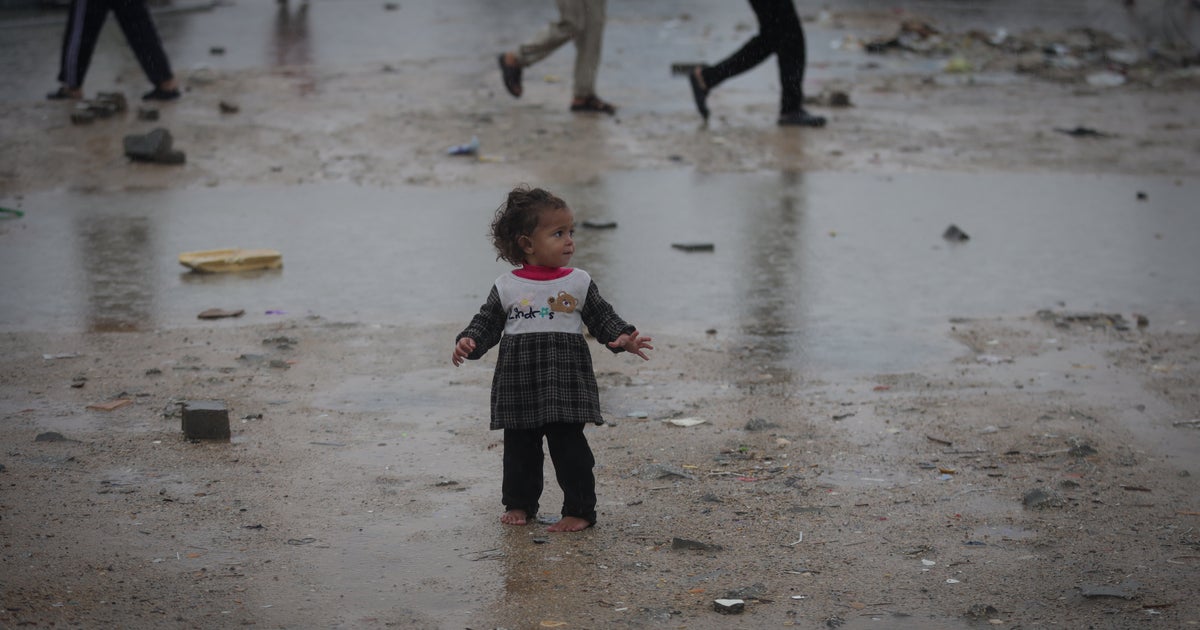
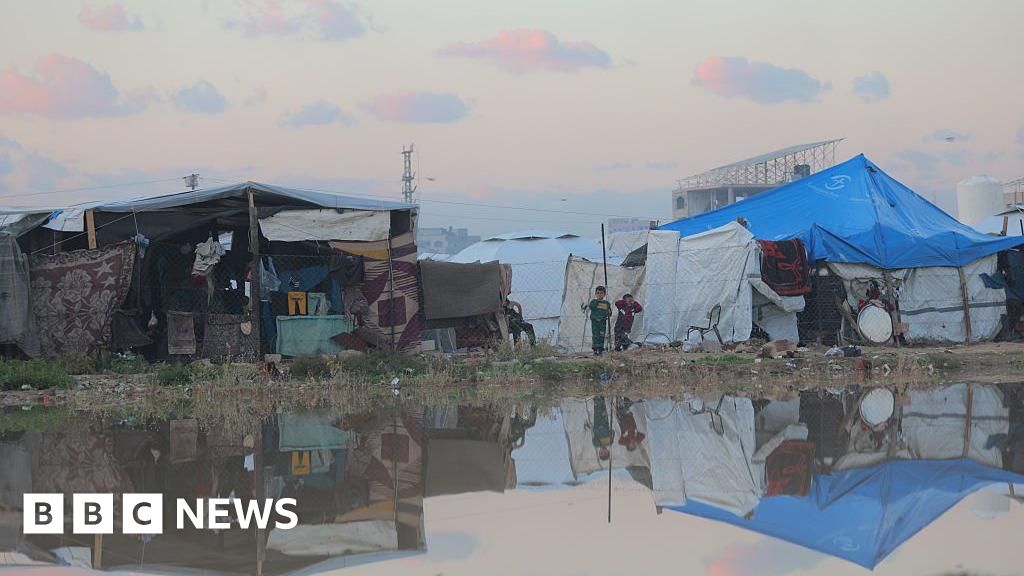
Winter storms and heavy rains are severely deteriorating the already dire living conditions for displaced Palestinians residing in Gaza, creating an urgent humanitarian crisis.
The United Nations reports that essential aid, including lifesaving shelter assistance, continues to be blocked from reaching those in desperate need within the Gaza Strip.
Israeli restrictions are identified as a primary factor preventing the delivery of critical humanitarian supplies, exacerbating the suffering of the vulnerable population.
The ongoing blockage of aid and harsh weather conditions are causing extreme concern, particularly for children living in makeshift shelters and tents.
The combined impact of natural elements and aid limitations is deepening the humanitarian crisis, highlighting the urgent need for unimpeded assistance to Gaza's displaced residents.
Analysis
Center-leaning sources frame this story by emphasizing the severe humanitarian crisis in Gaza, portraying the displaced population's suffering due to heavy rains through vivid descriptions and extensive accounts from UN and aid agencies. This approach highlights the urgent need for assistance, with Israel's perspective on aid delivery presented as a counter-claim rather than an integrated part of the core narrative.
FAQ
About 1.5–1.9 million displaced Palestinians in Gaza require urgent humanitarian assistance and emergency shelter, with roughly 1.9 million people overall reported as displaced and 1.5 million specifically needing emergency shelter as winter approaches.
Lifesaving shelter assistance, food, medical supplies and other critical humanitarian supplies have been blocked from reaching Gaza; children in makeshift shelters and tents, malnourished young children, and people requiring medical care are among the most at risk.
UN OCHA and humanitarian organizations report famine in parts of Gaza, widespread acute malnutrition among children, extremely high displacement and deadly consequences for people seeking aid, describing the situation as an acute humanitarian emergency.
Ceasefire agreements in 2025 temporarily increased aid flows and allowed hostage returns, but access has been uneven: reductions and militarized distribution systems since May 2025 have coincided with resumed restrictions that limit consistent, sufficient aid delivery.
Humanitarian actors call for unimpeded, scaled-up delivery of shelter items, food and medical supplies, safe humanitarian corridors and removal of restrictions on aid access so winterized assistance can reach displaced families quickly.