EU-Mercosur Trade Deal Postponed Amidst Farmer Protests and French-Italian Opposition
The EU-Mercosur free-trade agreement is postponed due to strong opposition from France and Italy, fueled by European farmer protests over cheap commodities.

 Al Jazeera
EU delays trade deal with South America’s Mercosur bloc as farmers protest
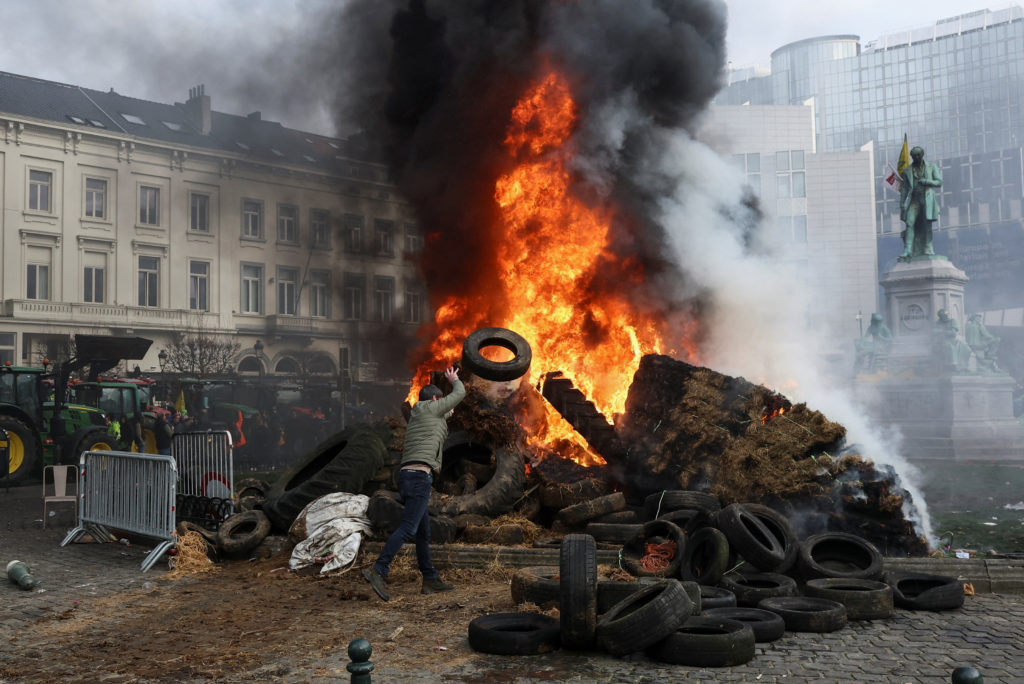
 PBS NewsHour
EU delays massive free-trade deal with South American bloc Mercosur amid farmer protests
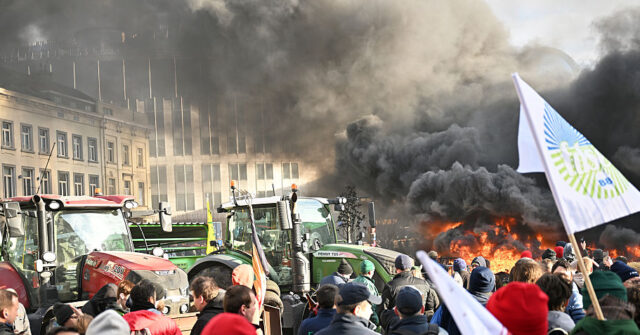
 Breitbart News
Pix: Protesting Farmers Pelt Police With Potatoes Over Anti-Agri EU Deal
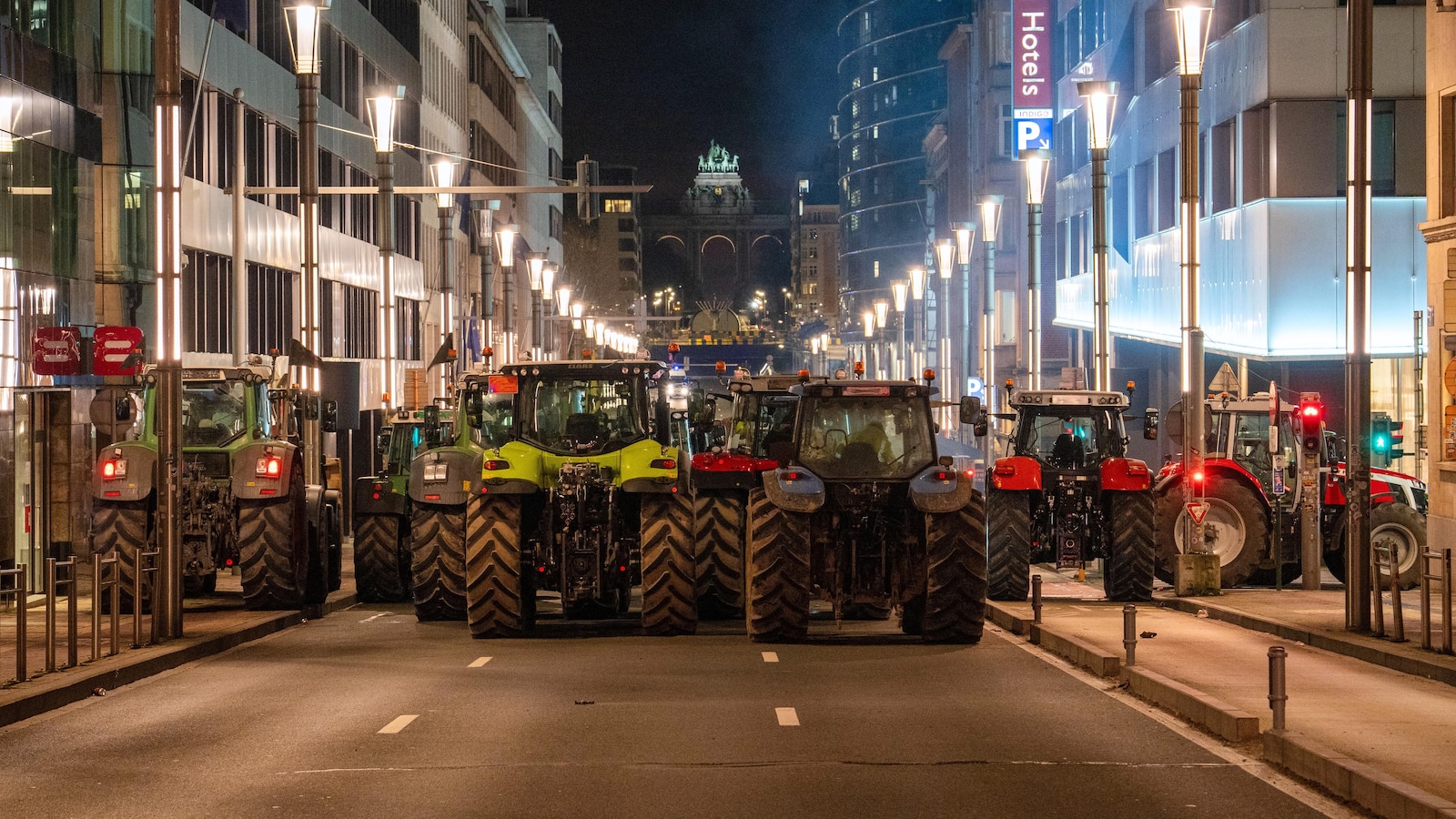
 ABC News
Farmers block roads in Brussels to protest South American free-trade deal
Overview
The European Union has postponed a major free-trade agreement with South American Mercosur countries, aiming to create the world's largest trade area.
This delay is primarily due to significant opposition from EU farmers, who are concerned about the potential influx of cheap commodities.
France, led by President Emmanuel Macron, and Italy have expressed strong reservations about signing the transatlantic deal.
Macron's firm opposition at the EU summit played a crucial role in delaying the agreement, reflecting concerns over agricultural impacts.
The EU-Mercosur deal, if ratified, would cover a market of 780 million people and a quarter of global GDP, boosting European exports to Latin America.
Analysis
Center-leaning sources provide a neutral and comprehensive overview of the Mercosur trade deal protests and political debate. They present diverse perspectives from EU and South American leaders, farmers, and analysts, detailing arguments for and against the agreement without editorial bias. The coverage focuses on reporting facts and stated positions, allowing readers to form their own conclusions.
FAQ
EU farmers worry the deal would allow a large influx of cheaper agricultural imports (especially beef and other commodities), which could undercut domestic prices, weaken farm incomes, and lower European environmental and safety standards compared with EU rules.
France and Italy have publicly opposed the deal—France led by President Emmanuel Macron pushed for delay citing agricultural concerns, and Italy joined that opposition; the article also notes that Poland and Hungary could potentially join to block the accord, since four countries representing at least 35% of the EU population can prevent it.
If ratified, the deal would create a trade area covering about 750–780 million people and roughly a quarter of global GDP, eliminating most tariffs between the blocs and boosting EU exports to Latin America, with prior EU–Mercosur trade around €111.2 billion in the last year cited.
The agreement’s signing was postponed at the EU summit due to member-state opposition—ministers’ signature and final ratification are delayed until political objections, primarily from France and Italy (and potentially others), are resolved.
Sustained and sometimes violent farmer demonstrations, including recent protests in Brussels, have pressured national governments and leaders (notably in France and Italy) to oppose or delay the deal, making it politically harder for EU leaders to proceed with signing.
